CM Fadnavis receives ₹6.33 cr for drought-hit Marathwada farmers
Synopsis
Entrepreneurs from Marathwada and Chhatrapati Sambhajinagar donated ₹6.33 crore to the Mukhyamantri Sahayata Nidhi at a ceremony attended by CM Devendra Fadnavis and several ministers and MLAs, targeting drought relief for farmers in the region.
Key Takeaways
Entrepreneurs from Marathwada and Chhatrapati Sambhajinagar donated ₹6.33 crore to the Mukhyamantri Sahayata Nidhi for drought-hit farmers.
CM Devendra Fadnavis received the cheque and publicly thanked the contributing entrepreneurs.
Senior political figures present included Minister Atul Save , Minister Sanjay Shirsat , MLA Suhas Shirsath , MLA Narayan Kuche , and MLA Anuradha Chavan .
The Mukhyamantri Sahayata Nidhi is Maharashtra's statutory emergency relief fund used for natural-calamity assistance including droughts.
Marathwada is a chronically drought-prone region where recurring agricultural distress has historically prompted coordinated private sector donations.
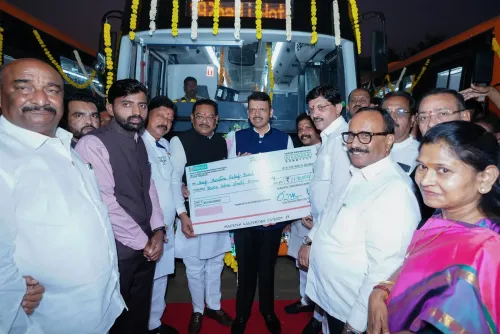
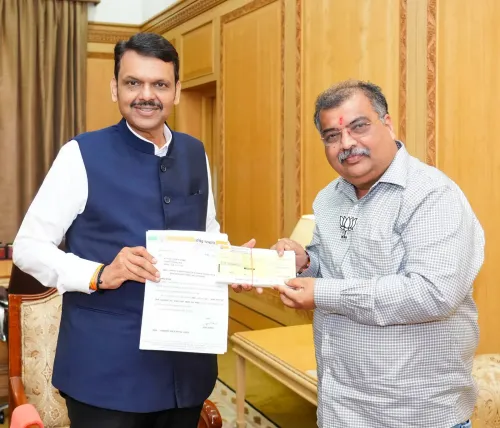
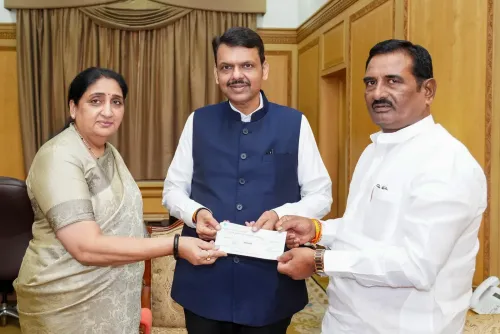
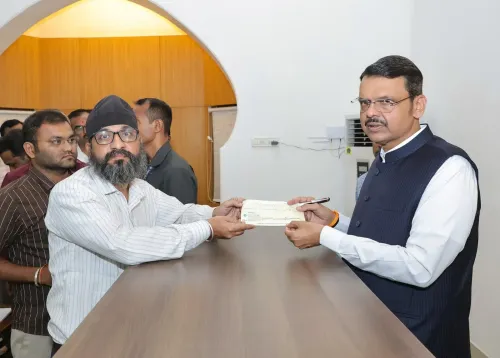
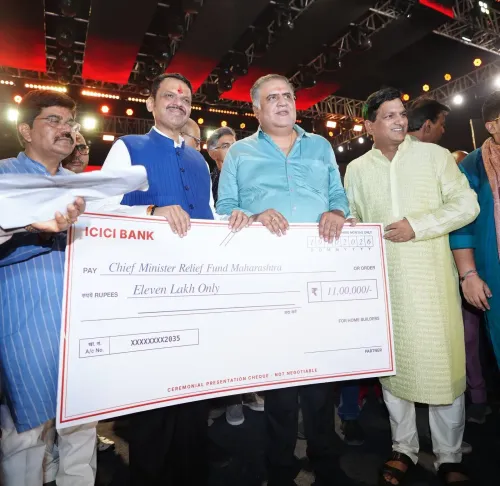
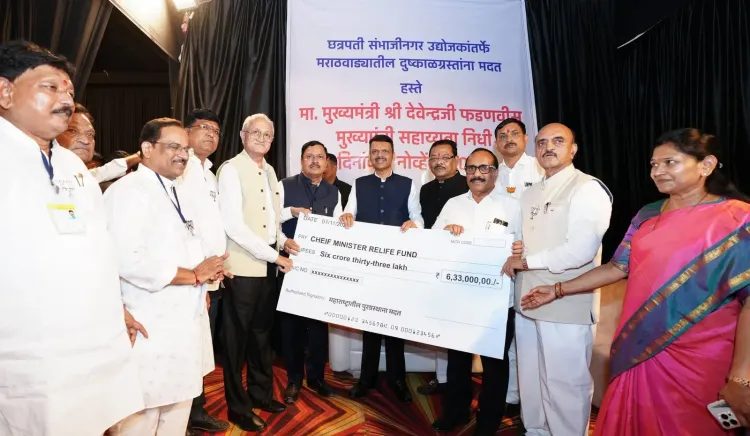
A cheque worth ₹6.33 crore — pooled by entrepreneurs from Marathwada and Chhatrapati Sambhajinagar — was handed over to Chief Minister Devendra Fadnavis on Sunday, 1 November 2026, destined for the Mukhyamantri Sahayata Nidhi to aid drought-stricken farmers across the region.
The donation and who stood beside Fadnavis
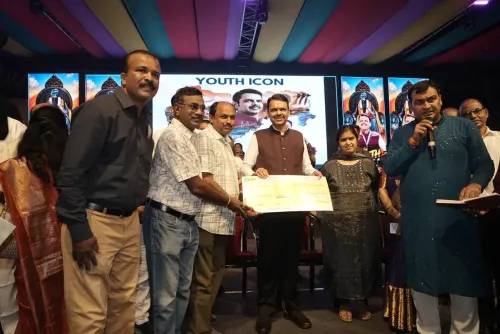
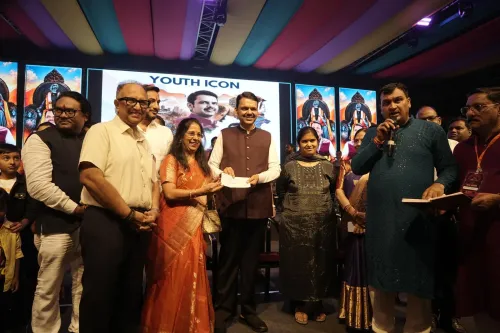
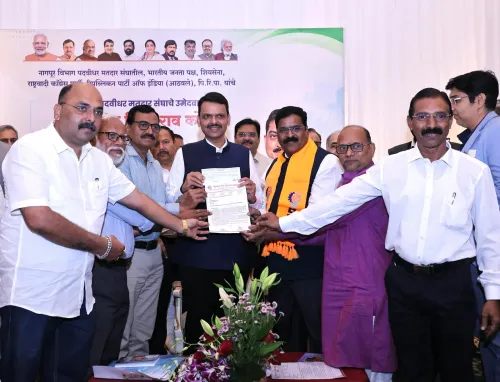
The handover ceremony brought together a cross-section of state political leadership. Minister Atul Save, Minister Sanjay Shirsat, MLA Suhas Shirsath, MLA Narayan Kuche, and MLA Anuradha Chavan were all present as representatives of the business community formally presented the cheque. CM Fadnavis publicly thanked all the participating entrepreneurs for their contribution.
Why Marathwada's farmers needed this moment
Marathwada, the eight-district belt in eastern Maharashtra, has lived with the threat of drought for decades. Erratic monsoons and shallow water tables routinely push agricultural households to the edge — forcing governments to scramble for relief money well beyond what planned budgets can absorb. Chhatrapati Sambhajinagar, the region's commercial hub (formerly Aurangabad), has historically been the nerve centre for both agri-distress policy and private relief drives.
The Mukhyamantri Sahayata Nidhi — Maharashtra's Chief Minister's Relief Fund — is the primary statutory channel through which the state government funnels emergency assistance during natural calamities including droughts. Corporate and business contributions into this fund represent a recurring pattern: when state budgets strain under back-to-back dry years, local industry has stepped in to close the gap, providing liquidity for on-ground disbursements without the delays of legislative appropriation.
What ₹6.33 crore signals for the relief pipeline
The size of the donation — ₹6.33 crore in a single cheque — reflects organised, coordinated giving rather than scattered individual gestures, suggesting the Marathwada business community mobilised deliberately for this cause. The immediate question now is how quickly the state machinery translates this into actual farm-household relief: cash transfers, input subsidies, or fodder support for livestock in affected talukas.
With ministers and MLAs from the region present at the handover, there is clear political accountability built into the moment — elected representatives on record as witnesses to a fund that must now reach the fields. That visibility cuts both ways: it accelerates pressure on the administration to disburse, and it puts legislators squarely in the frame if the money stalls.
Marathwada's farmers are watching. The cheque has changed hands — now comes the harder part.
Point of View
Local industry plugs the gap through the CM Relief Fund, giving the ruling dispensation both a financial cushion and a visible moment of public-private solidarity. For CM Fadnavis, hosting the handover with ministers and regional MLAs in attendance converts a welfare transaction into a political signal — that Marathwada's distress is being heard at the top. The real test, however, is not the optics of the cheque but the speed and targeting of disbursement to actual farm households. If the money moves fast and reaches the right talukas, it reinforces the model; if it stalls in the bureaucracy, the goodwill evaporates just as quickly.
NationPress
2 Nov 2026
Frequently Asked Questions
What is the Mukhyamantri Sahayata Nidhi in Maharashtra?
The Mukhyamantri Sahayata Nidhi is Maharashtra's Chief Minister's Relief Fund, a statutory fund used to channel emergency financial assistance during natural calamities such as droughts, floods, and other disasters affecting the state's residents.
How much did Marathwada entrepreneurs donate for drought relief in 2026?
Entrepreneurs from Marathwada and Chhatrapati Sambhajinagar donated ₹6.33 crore to the Mukhyamantri Sahayata Nidhi on 1 November 2026 to support drought-affected farmers in the region.
Why is Marathwada so vulnerable to droughts?
Marathwada, an eight-district region in eastern Maharashtra, has shallow water tables and is heavily dependent on monsoon rainfall for agriculture. Erratic or below-normal monsoons routinely cause crop failure and farmer distress, making it one of India's most drought-prone zones.
Which ministers attended the CM Relief Fund donation event?
Minister Atul Save, Minister Sanjay Shirsat, MLA Suhas Shirsath, MLA Narayan Kuche, and MLA Anuradha Chavan were present alongside CM Devendra Fadnavis at the cheque-handover ceremony.
How will the ₹6.33 crore donation help Maharashtra's drought-hit farmers?
The donated funds will be channelled through the Mukhyamantri Sahayata Nidhi for drought relief measures, which may include cash assistance, input subsidies, and other support for affected farming households in Marathwada.