CM Fadnavis Reviews SARTHI Schemes at Pune Institute
Synopsis
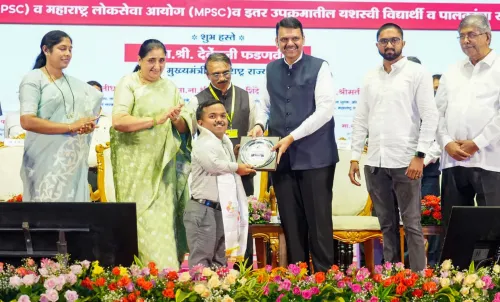
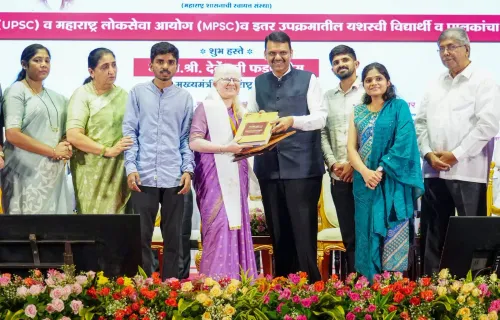
Chief Minister Devendra Fadnavis visited SARTHI in Pune on 26 June 2026, reviewing welfare and training schemes for backward class students. Deputy CM Sunetra Ajit Pawar, Minister Chandrakant Patil, and Pune Mayor Manjusha Nagpure were among those present at the inspection.
Key Takeaways
CM Devendra Fadnavis visited the SARTHI institute in Pune on 26 June 2026 .
He reviewed various welfare schemes and programmes being implemented through SARTHI.
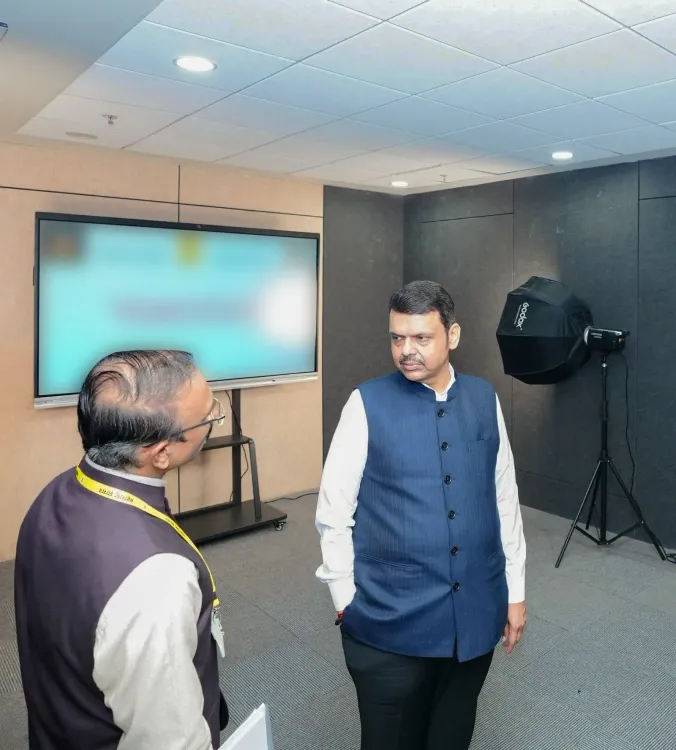
The CM inspected the institute's main building, auditorium, and multimedia hall.
Deputy CM Sunetra Ajit Pawar , Minister Chandrakant Patil , and Pune Mayor Manjusha Nagpure were present.
SARTHI was established to provide competitive exam coaching and skill training for backward class communities in Maharashtra.
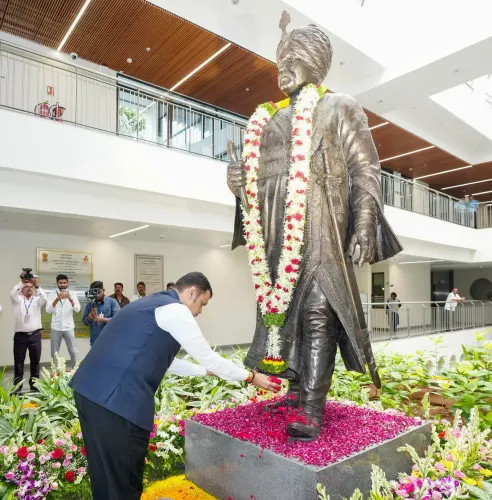
The institute is named after social reformer Chhatrapati Shahu Maharaj of Kolhapur.
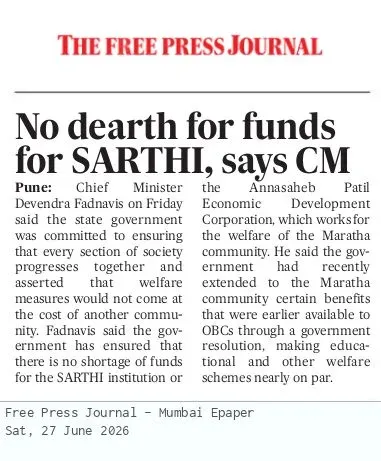
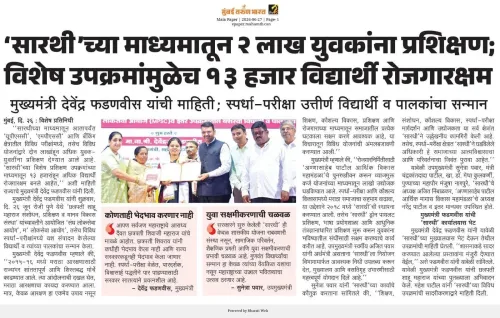
Chief Minister Devendra Fadnavis visited the Chhatrapati Shahu Maharaj Research, Training and Human Development Institute (SARTHI) in Pune on Friday, 26 June 2026, conducting a comprehensive review of the welfare schemes and training programmes run by the institution. He also inspected the institute's main building, auditorium, and multimedia hall during the visit.
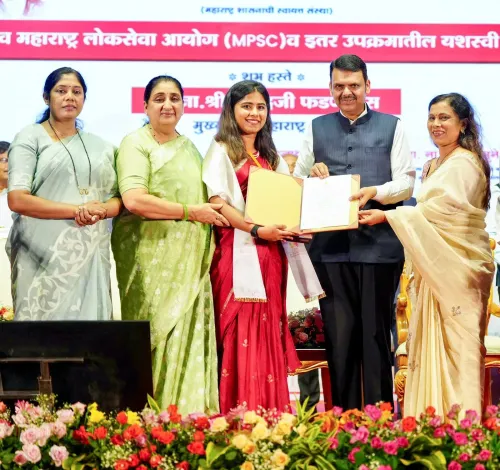
The Chief Minister's Office of Maharashtra announced the visit via an official post, noting that Deputy Chief Minister Sunetra Ajit Pawar, Cabinet Minister Chandrakant Patil, Pune Mayor Manjusha Nagpure, and other dignitaries were present on the occasion.
Context
SARTHI — formally the Chhatrapati Shahu Maharaj Sanshodhan, Prashikshan va Manav Vikas Sanstha — is a state-run autonomous institute headquartered in Pune. It was established to provide competitive examination coaching, skill development, and human development programmes primarily for students from backward class communities. The institute draws its name and institutional ethos from Chhatrapati Shahu Maharaj, the Kolhapur ruler (1884–1922) celebrated for pioneering social reforms and expanding educational access for marginalised communities.
Policy Backdrop
SARTHI was set up during the earlier Fadnavis administration (2014–2019) as part of Maharashtra's broader effort to create dedicated welfare infrastructure for Scheduled Caste, Scheduled Tribe, and Other Backward Class students outside the conventional university system. The institute runs targeted coaching batches for civil services and other competitive examinations, positioning it as a key instrument of the state's social equity agenda.
Maharashtra governments across regimes have periodically established autonomous institutes for human development and exam preparation among reserved-category communities. Chief Ministerial visits to review physical infrastructure and scheme implementation are a recurring feature of this administrative approach, often preceding budget allocations or policy announcements.
Stakeholders and Impact
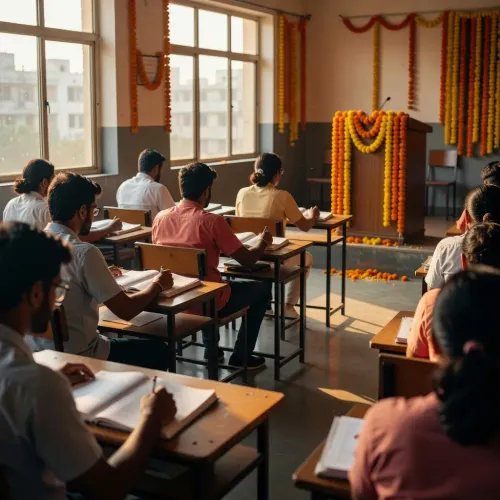
The primary beneficiaries of SARTHI's programmes are students from backward classes aspiring to crack civil services, state-level competitive exams, and skill-based employment pathways. The institute's infrastructure — including its multimedia hall and auditorium — directly supports the scale and quality of coaching it can deliver.
The presence of Minister Chandrakant Patil, who holds the higher and technical education portfolio, alongside Deputy CM Sunetra Ajit Pawar and Pune Mayor Manjusha Nagpure, signals a multi-level administrative focus on the institution's functioning and outreach.
What's Next
Observers will watch for follow-up announcements on new training batches, infrastructure upgrades, or enhanced budget allocations for SARTHI in upcoming cabinet meetings or the next state budget cycle. The institute's performance and scheme outcomes could also feature in questions during the monsoon or winter assembly session. The visit underscores the Fadnavis government's intent to keep welfare institution-building at the centre of its administrative calendar.
Point of View
Being seen to personally oversee an institute dedicated to OBC and SC/ST student advancement carries clear political weight beyond routine administration. The multi-tier presence of the Deputy CM, a senior cabinet minister, and the Pune Mayor suggests the government is keen to project coordinated ownership of the social welfare agenda at both state and local levels. Follow-through in the form of budget or infrastructure announcements will determine whether this visit translates into substantive policy momentum.
NationPress
25 Sept 2026
Frequently Asked Questions
What is SARTHI Pune?
SARTHI stands for Chhatrapati Shahu Maharaj Research, Training and Human Development Institute, a Maharashtra government autonomous body in Pune that provides competitive exam coaching, skill training, and human development programmes for students from backward class communities.
Why did CM Devendra Fadnavis visit SARTHI?
CM Devendra Fadnavis visited SARTHI on 26 June 2026 to review the welfare schemes and training programmes being run by the institute and to inspect its infrastructure, including the main building, auditorium, and multimedia hall.
Who was present at the SARTHI visit with CM Fadnavis?
Deputy Chief Minister Sunetra Ajit Pawar, Cabinet Minister Chandrakant Patil, Pune Mayor Manjusha Nagpure, and other dignitaries accompanied CM Devendra Fadnavis during the visit.
When was SARTHI established in Maharashtra?
SARTHI was established during the first Fadnavis administration between 2014 and 2019 to create a dedicated welfare and training institution for reserved category students in Maharashtra.
What schemes does SARTHI run for students?
SARTHI runs competitive examination coaching for civil services and other state-level exams, skill development programmes, and human development initiatives primarily targeting Scheduled Caste, Scheduled Tribe, and Other Backward Class students.