CM Fadnavis spends Diwali in drought-hit Vidarbha villages
Synopsis
Chief Minister Devendra Fadnavis spent Diwali 2026 in drought-affected farmlands of Vidarbha, with the CMO of Maharashtra sharing the symbolic visit on 9 November. The gesture underscores ongoing agrarian distress in the region and raises expectations of follow-up relief action.
Key Takeaways
CM Devendra Fadnavis spent Diwali 2026 visiting drought-hit farmlands ( shivars ) in Vidarbha , Maharashtra.
The Chief Minister's Office of Maharashtra shared the visit publicly on 9 November 2026 .
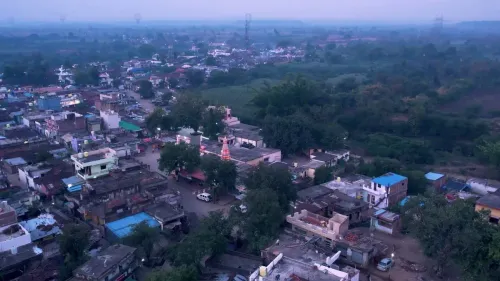
The visit is based out of Nagpur , the administrative hub of the Vidarbha region.
Vidarbha and Marathwada are Maharashtra's two most drought-vulnerable agricultural belts, with a documented history of crop failures and farmer distress.
Maharashtra governments have repeatedly issued drought relief packages and water conservation schemes for these regions across the 2010s and 2020s.
Farmer groups and welfare observers are watching for any follow-up announcements on drought mitigation funding or water projects in Vidarbha.
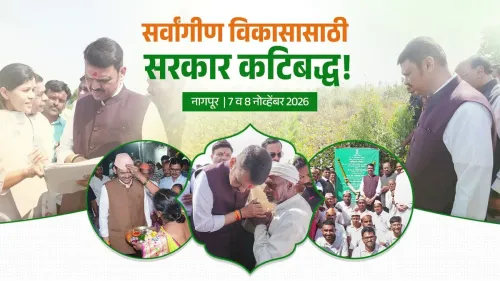
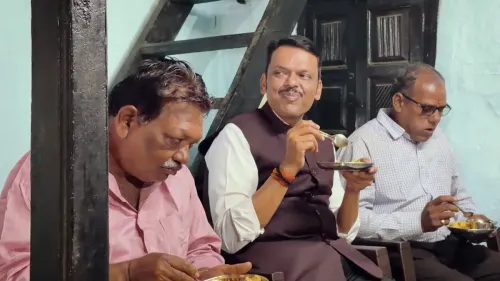
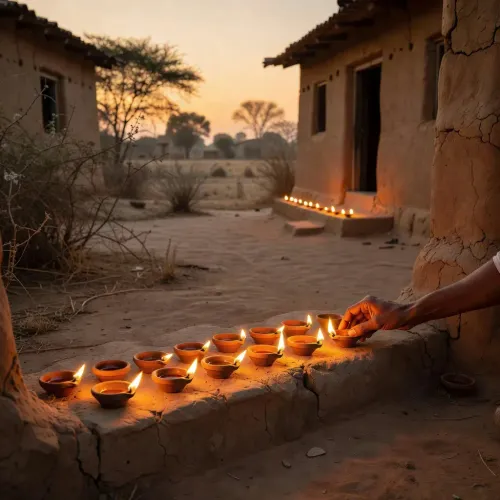
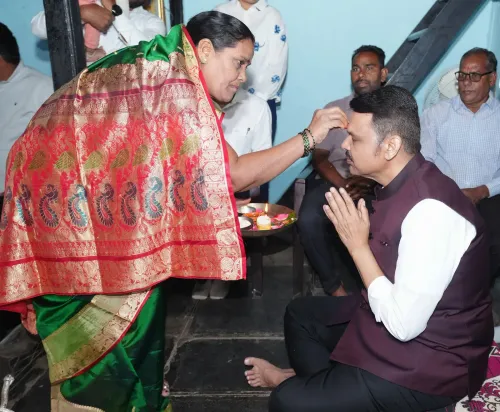
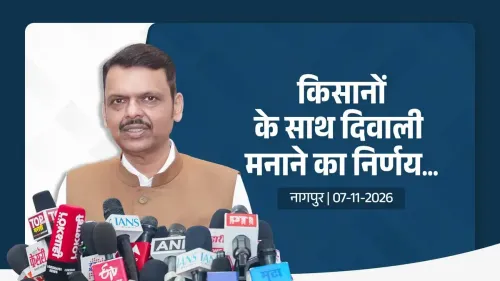
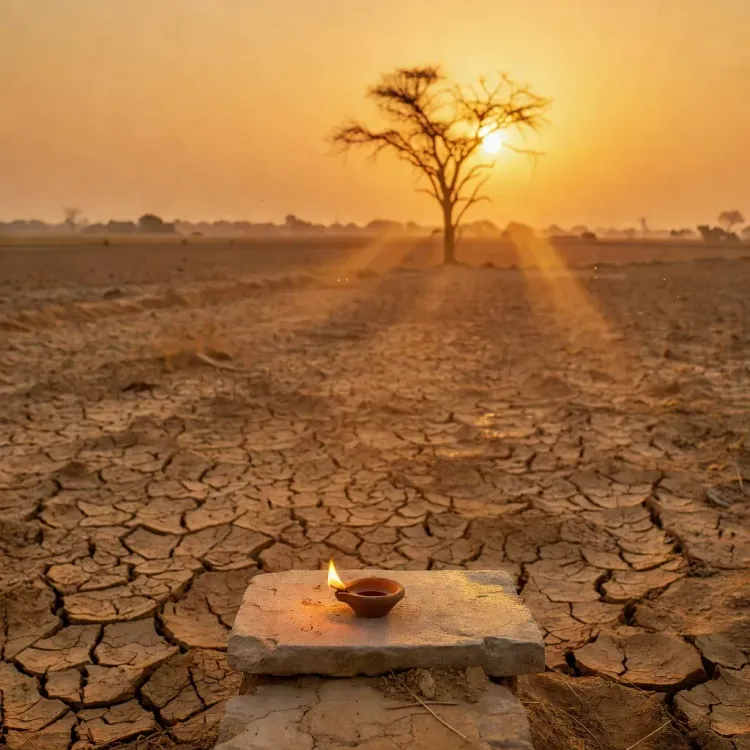
When the rest of Maharashtra lit diyas and burst crackers, Chief Minister Devendra Fadnavis chose to spend Diwali 2026 in the drought-scorched farmlands of Vidarbha — a pointed gesture that the state's most distressed agrarian belt was not being left to celebrate alone. The Chief Minister's Office of Maharashtra shared the visit on Monday, 9 November 2026, posting from Nagpur, the administrative heart of the region.
A festival in the fields, not the capital
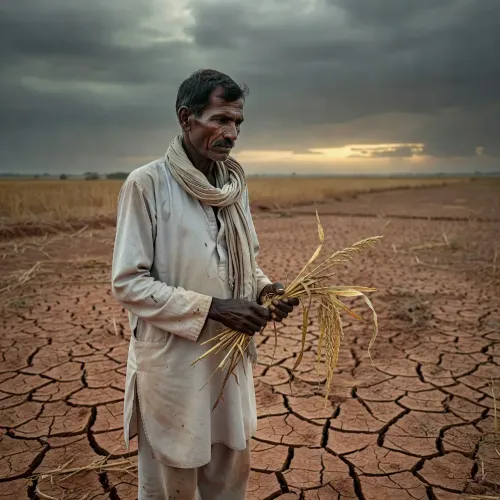
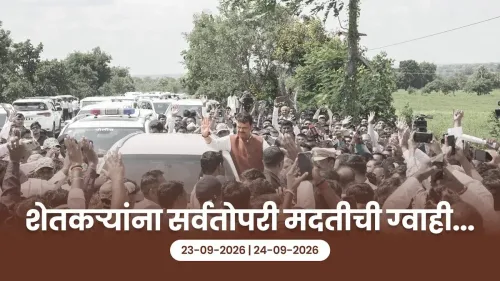
The CMO's post — 'मुख्यमंत्री देवेंद्र फडणवीस यांची दिवाळी दुष्काळी शिवारांत' ('Chief Minister Devendra Fadnavis's Diwali in drought-hit farmlands') — framed the visit as a deliberate act of solidarity with farmers battling water scarcity. Vidarbha, the eastern stretch of Maharashtra that includes Nagpur, has long been synonymous with agrarian distress: crop failures, dried-up wells, and the grim tallies of farmer suicides that return in drought years.
Fadnavis, who has spent multiple tenures administering Maharashtra, has consistently identified Vidarbha and Marathwada as the two regions where rural welfare spending must be front-loaded. A chief minister turning up in a drought village on Diwali — rather than attending state-capital ceremonies — sends a signal that is harder to dismiss than a press release.
Vidarbha's drought cycle and the weight behind the visit
Maharashtra's agrarian geography is unforgiving. The state's governments, across parties, have periodically rolled out drought relief packages, irrigation subsidies, and water conservation schemes for Vidarbha and Marathwada — only to watch the same villages return to crisis in the next deficient monsoon. The pattern is well-established: a failed rain season, withered cotton and soybean crops, mounting debt, and then high-level visits that farmers have learned to greet with cautious hope.
Diwali visits to distressed areas carry particular symbolic weight in Maharashtra's political culture — they signal that the CM's calendar, not just his budget line, has room for the farmer. Whether Fadnavis's presence in these shivars (farmlands) translates into fresh drought-mitigation funding or accelerated water projects in Vidarbha is the question that relief workers and farmer groups will now be watching closely.
What is certain: in a state where agrarian distress can reshape electoral maps overnight, a Diwali spent in a drought village is never just a photo opportunity.
Point of View
Where agrarian distress has repeatedly swung assembly seats, it carries real political calculus alongside genuine pastoral intent. Fadnavis has consistently positioned himself as administratively attentive to Vidarbha, his home region, making this visit consistent with a longer personal and political narrative. The harder test is whether the optics of solidarity are followed by concrete drought-mitigation allocations in the state budget cycle. If they are, the visit becomes a policy marker; if they are not, it risks being remembered as a well-photographed gesture.
NationPress
9 Nov 2026
Frequently Asked Questions
Why did CM Devendra Fadnavis visit drought-hit areas on Diwali 2026?
CM Devendra Fadnavis visited drought-affected farmlands in Vidarbha on Diwali 2026 as an act of solidarity with farmers facing agrarian distress, with the Chief Minister's Office sharing the visit publicly on 9 November 2026.
Which region did CM Fadnavis visit during Diwali?
CM Fadnavis visited drought-hit farmlands in the Vidarbha region of Maharashtra, with the visit associated with Nagpur, Vidarbha's administrative centre.
What is the drought situation in Vidarbha, Maharashtra?
Vidarbha is one of Maharashtra's most drought-prone agricultural belts, experiencing recurring crop failures and farmer distress, particularly affecting cotton and soybean growers during deficient monsoon years.
What relief has the Maharashtra government provided to drought-hit farmers?
Maharashtra governments have issued multiple drought relief packages, irrigation subsidies, and water conservation schemes for Vidarbha and Marathwada across the 2010s and 2020s, though the region continues to face cyclical agrarian crises.
What can farmers in Vidarbha expect after Fadnavis's Diwali visit?
Welfare observers and farmer groups are watching for follow-up state government announcements on drought mitigation funding or accelerated water projects in Vidarbha after the chief minister's high-profile Diwali visit.