CM Fadnavis Unveils Thane-Borivali Twin Tunnel Plan
Synopsis
The Maharashtra CMO has announced the Thane-Borivali Twin Tunnel, which will reduce the 23-km surface route to an 11-km underground link, cutting travel time to just 12-15 minutes. Tagged to CM Devendra Fadnavis and MMRDA, the project is pitched as India's longest urban tunnel.
Key Takeaways
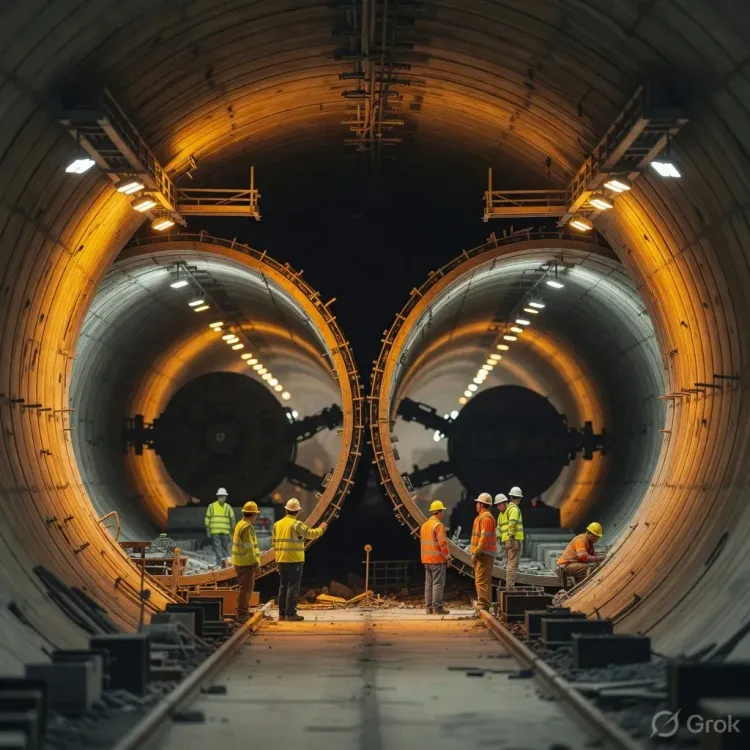
The Thane-Borivali Twin Tunnel will reduce the effective travel distance from 23 km to 11 km via a double-bore underground route.
Travel time between Thane and Borivali is projected to fall to just 12 to 15 minutes .
The project is billed as India's longest urban tunnel at 11 km.
MMRDA is the executing authority; CM Devendra Fadnavis is associated with the announcement.
The tunnel will pass beneath the Sanjay Gandhi National Park , avoiding surface land acquisition in a densely built area.
Key milestones pending include detailed project report approval, environmental clearances, and tender awards.
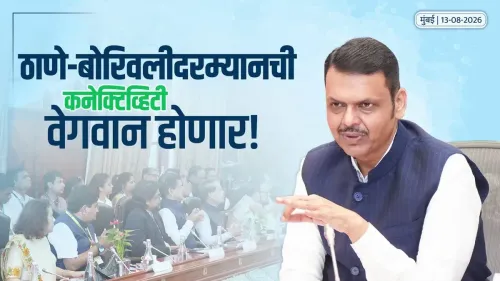
Eleven kilometres of tunnel beneath the Sanjay Gandhi National Park — and a commute that shrinks from a grinding 23-kilometre surface crawl to a 12-to-15-minute dash. The Chief Minister's Office of Maharashtra announced on 13 August 2026 that the proposed Thane-Borivali Twin Tunnel will cut the effective travel distance between the two cities nearly in half, pitching it as India's longest urban tunnel.
The post, tagged to Chief Minister Devendra Fadnavis and the Mumbai Metropolitan Region Development Authority (MMRDA), shared detailed project information in Marathi, stating: 'The 23-kilometre route length will reduce to 11 kilometres due to the double tunnel, saving travel time — Thane to Borivali in just 12 to 15 minutes. This double tunnel will be India's longest urban tunnel.'
Why the Sanjay Gandhi National Park is the key obstacle
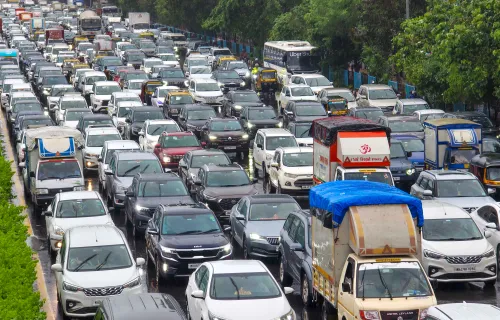
The geography tells the real story. Thane and Borivali sit on opposite sides of the Sanjay Gandhi National Park, a protected forest that forces surface traffic onto long, congested detours through the suburbs. A bored tunnel beneath the park sidesteps both the ecological sensitivity and the near-impossible land acquisition that an overground corridor would demand in one of the world's most densely populated urban regions.
That is precisely why MMRDA has circled this corridor for years — underground is the only viable path. The twin-tube design (two parallel bores, one per direction) is standard for high-capacity urban tunnels and signals the project is engineered for serious traffic volumes, not a pilot link.
India's longest urban tunnel — what that claim means
At 11 kilometres of bored tunnel, the project would surpass existing urban road tunnels in India by a significant margin. Mumbai already hosts the Bandra-Worli Sea Link and the Coastal Road tunnel as benchmarks of the city's appetite for bold infrastructure. A sub-mountain tunnel of this length would represent a step-change — mechanised tunnelling through basalt rock under a national park, with the engineering complexity that entails.
For CM Fadnavis, the announcement fits a deliberate pattern: flagship connectivity projects — metro corridors, the Mumbai Coastal Road, the Atal Setu sea bridge — that can be pointed to as tangible, visible governance. Infrastructure at this scale also tends to anchor broader economic arguments: reduced logistics time, unlocked real-estate corridors, and relief for a suburban rail network that carries millions daily at crush capacity.
What MMRDA must clear before the first boring machine rolls
The detailed project report, environmental clearances for tunnelling beneath a protected forest, and tender awards by MMRDA are the next hard gates. Each carries its own timeline risk — forest clearances in particular can extend project schedules significantly. Funding structure and cost estimates have not been made public in this announcement.
For the Mumbai Metropolitan Region's millions of daily commuters, the promise is vivid: a quarter-hour connection where the clock currently reads well over an hour in peak traffic. Whether the machinery follows the announcement is the question every Thane and Borivali resident will be watching.
Point of View
Anchoring his name to 'India's longest urban tunnel' is a high-visibility bet, but the real test lies in clearing the environmental and bureaucratic gates that have historically slowed tunnelling projects through protected forests. MMRDA's execution record on the metro network gives cautious optimism, yet until a detailed project report and funding structure are public, this remains a well-framed promise. The corridor's success or delay will directly shape the credibility of Maharashtra's broader urban-mobility narrative heading into the next electoral cycle.
NationPress
13 Aug 2026
Frequently Asked Questions
What is the Thane-Borivali Twin Tunnel project?
The Thane-Borivali Twin Tunnel is a proposed double-bore underground road tunnel that will reduce the travel route between Thane and Borivali from 23 km to 11 km, cutting commute time to 12-15 minutes. It is set to be India's longest urban tunnel.
How long will the Thane-Borivali tunnel be?
The tunnel will be approximately 11 kilometres long, making it the longest urban road tunnel in India.
How much time will the Thane-Borivali tunnel save?
The tunnel is projected to reduce Thane-to-Borivali travel time to just 12 to 15 minutes, compared to journeys that currently take well over an hour during peak traffic on surface roads.
Which authority is building the Thane-Borivali tunnel?
The Mumbai Metropolitan Region Development Authority (MMRDA) is the executing agency for the project, which was announced with the involvement of Chief Minister Devendra Fadnavis.
Why is the Thane-Borivali tunnel going underground?
The tunnel passes beneath the Sanjay Gandhi National Park, a protected forest that makes surface road construction ecologically and logistically impossible. An underground bore avoids both forest destruction and the near-impossible land acquisition that an overground route would require.