CM Fadnavis Visits Nagpur Navratri Mandal, Prays for Maharashtra
Synopsis
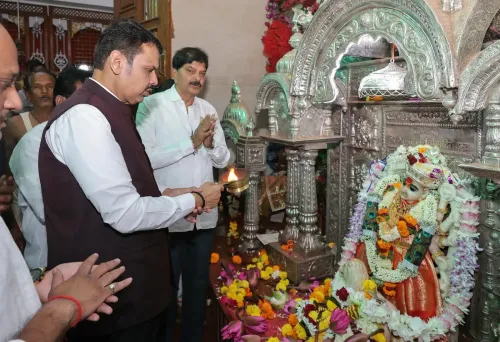
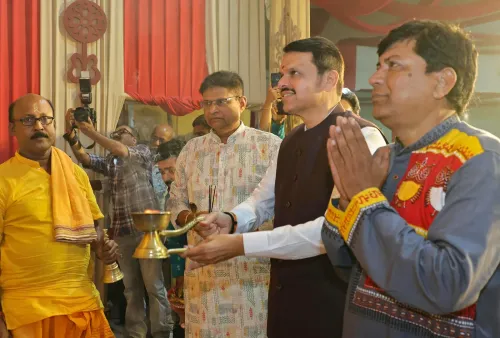
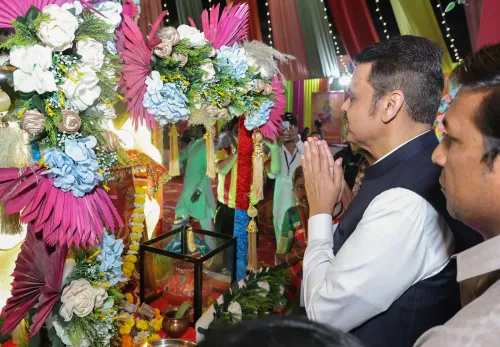
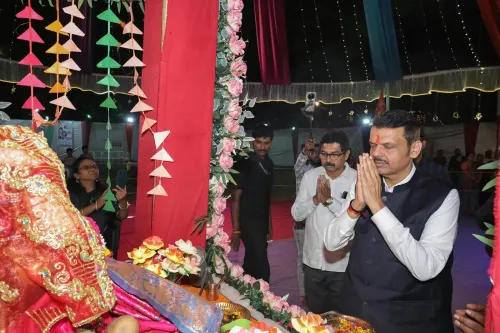
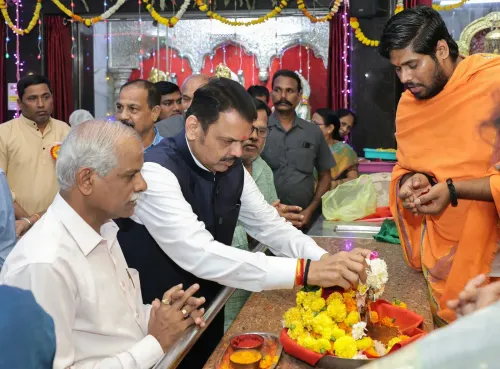
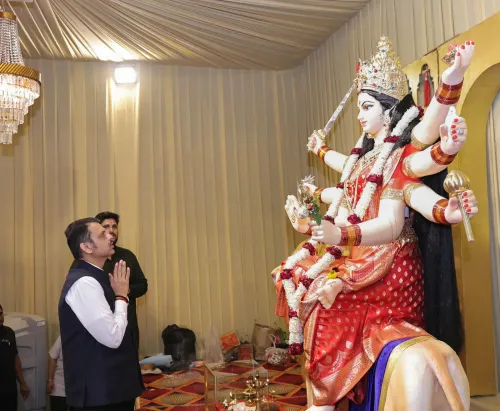
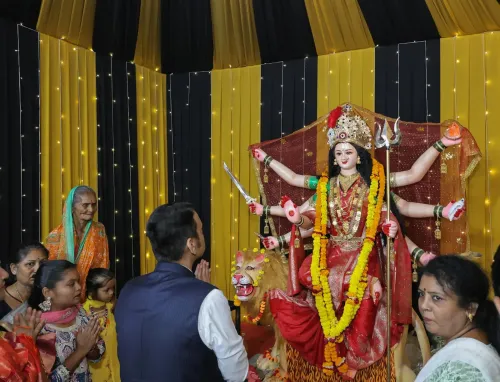
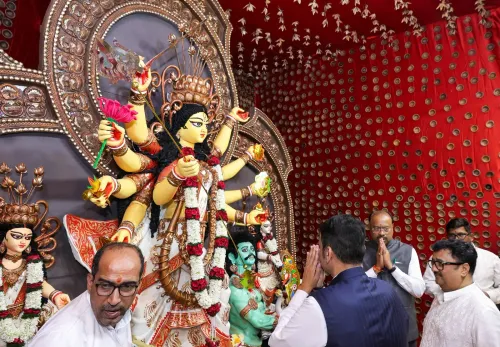
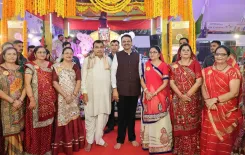
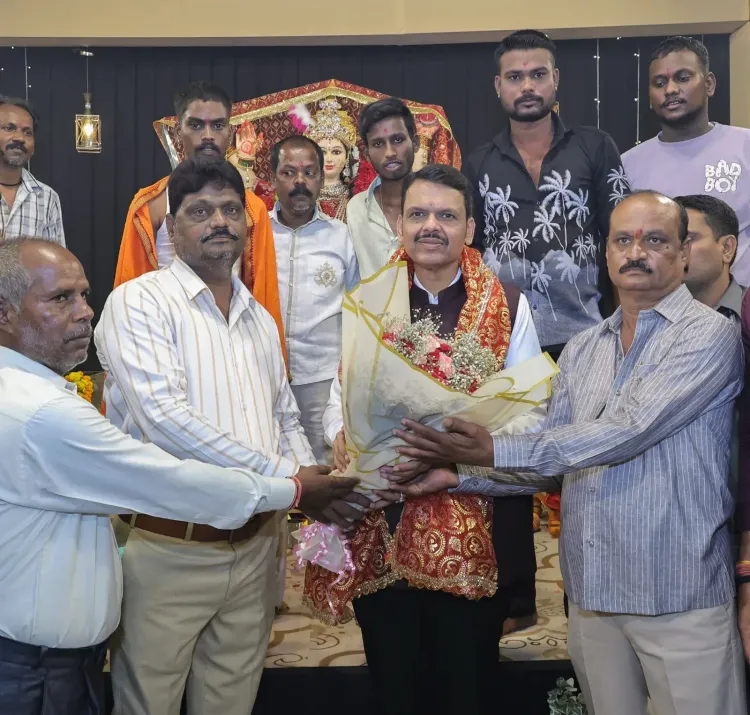
Maharashtra CM Devendra Fadnavis visited the Navyuvak Durga Utsav Mandal in Nagpur on 18 October 2026 during Navratri, bowing before the Goddess and offering prayers for the complete welfare of Maharashtra.
Key Takeaways
Maharashtra CM Devendra Fadnavis visited a Navratri mandal in Nagpur on 18 October 2026 .
The venue was the Navyuvak Durga Utsav Mandal in Nagpur.
Fadnavis offered prayers specifically for the welfare of the entire state of Maharashtra .
He opened his post with a Sanskrit shloka from the Bhavanyashtakam , invoking Goddess Bhavani as the sole refuge.
Nagpur serves as Maharashtra's winter capital and is Fadnavis's political home base.
The visit follows a long-standing tradition of Maharashtra state leaders engaging publicly with major religious festivals.
A Sanskrit shloka on absolute surrender to the Divine — 'न जाया न विद्या न वृत्तिर्ममैव गतिस्त्वं गतिस्त्वं त्वमेका भवानी' ('Neither spouse nor learning nor livelihood is mine; thou alone art my refuge, O Bhavani') — framed the visit as Maharashtra Chief Minister Devendra Fadnavis bowed before the Goddess at a Navratri celebration in Nagpur on Sunday evening, 18 October 2026, offering prayers for the welfare of the entire state.
A moment of prayer at Nagpur's Navyuvak Durga Utsav Mandal
The Chief Minister visited the Navyuvak Durga Utsav Mandal in Nagpur, one of the city's prominent Navratri festival gatherings, as part of the ongoing nine-night celebration of Goddess Durga. Fadnavis offered his respects at the deity's feet — नतमस्तक झालो, as he described it — and placed the welfare of Maharashtra's citizens at the centre of his prayer.
The choice of the opening Sanskrit verse is notable. The shloka, traditionally attributed to Adi Shankaracharya's Bhavanyashtakam, articulates total renunciation of worldly ties in favour of divine grace — a sentiment the Chief Minister paired with a public, civic appeal for his state's wellbeing.
Nagpur's dual role — winter capital and cultural heartland
Nagpur, Maharashtra's eastern metropolis, functions as the state's winter capital and hosts the Maharashtra Legislature's winter session each year. Beyond its constitutional role, the city holds deep cultural significance, making it a natural anchor for high-profile festival appearances by state leadership. Fadnavis, who represents the Nagpur South West constituency and has long roots in the city, regularly engages with its religious and cultural calendar.
Navratri — nine nights of devotion culminating in Dussehra — is one of the most widely observed festivals across Maharashtra, drawing large community gatherings, decorated mandals, and collective worship. Chief ministers participating in such events follow a well-established tradition of state leadership engaging publicly with the cultural and spiritual life of their constituents.
Prayers for Maharashtra's welfare — the stated intent
Fadnavis was explicit about the purpose of his prayers: 'संपूर्ण महाराष्ट्राच्या कल्याणासाठी' — for the complete welfare of Maharashtra. The framing transforms what might be a personal act of devotion into a public gesture of accountability, linking the Chief Minister's spiritual observance directly to his constitutional responsibility for the state's 12-crore-plus population.
In the days that follow, the Chief Minister is likely to make additional appearances at Navratri venues across the state as the festival builds toward its crescendo on Dussehra — every stop a moment where devotion and governance walk the same ground.
Point of View
Fadnavis converts a ceremonial visit into a soft governance signal. Nagpur, his political home and the state's winter capital, is also the ideological heartland of the RSS, making public observances here carry weight beyond the merely devotional. As assembly politics in Maharashtra remain competitive, these festival appearances reinforce a leadership image that is simultaneously devout, rooted, and state-minded.
NationPress
19 Oct 2026
Frequently Asked Questions
Where did CM Devendra Fadnavis celebrate Navratri 2026?
CM Devendra Fadnavis visited the Navyuvak Durga Utsav Mandal in Nagpur on 18 October 2026 to celebrate Navratri and offer prayers.
What did Fadnavis pray for during Navratri 2026?
Fadnavis offered prayers at the Goddess's feet for the complete welfare — कल्याण — of the entire state of Maharashtra.
What is the Sanskrit shloka Fadnavis posted for Navratri?
The shloka is from the Bhavanyashtakam , traditionally attributed to Adi Shankaracharya. It expresses total surrender to Goddess Bhavani, declaring her the sole refuge when all worldly ties — family, knowledge, livelihood — fall away.
Why is Nagpur significant for Devendra Fadnavis?
Nagpur is Maharashtra's winter capital and Fadnavis's political home constituency. He represents Nagpur South West and has deep personal and political roots in the city.
When is Navratri 2026?
Navratri 2026 is a nine-night Hindu festival dedicated to Goddess Durga. The 18 October 2026 visit by Fadnavis falls within the festival period, which culminates in Dussehra.