CM Rekha Gupta leads post-Chhath cleanliness drive at Munak Canal
Synopsis
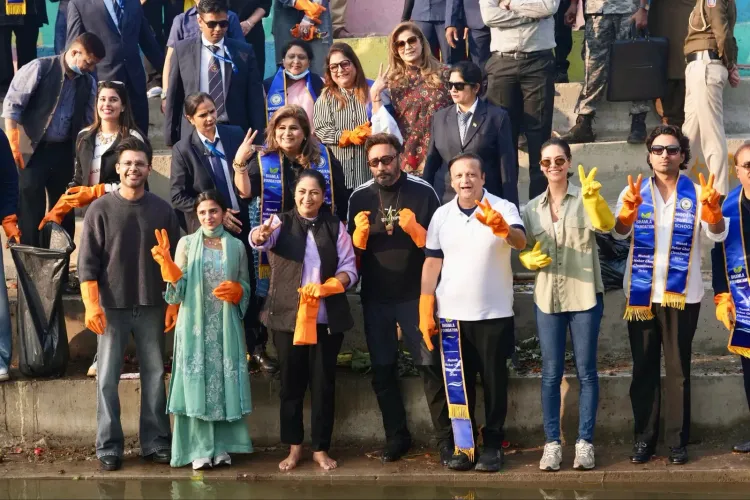
Delhi Chief Minister Rekha Gupta led a post-Chhath voluntary cleanliness drive at Munak Canal on 19 November 2026, joined by actor Jackie Shroff, singer Stebin Ben, actress Isha Gupta, and large numbers of Delhi residents and youth volunteers under the #ViksitDelhi banner.
Key Takeaways
Delhi CM Rekha Gupta organised a post-Chhath shramdaan cleanliness drive at Munak Canal on 19 November 2026 .
Actor Jackie Shroff , actress Isha Gupta , and singer Stebin Ben participated alongside hundreds of Delhi residents.
Children and youth volunteers performed nukkad natak (street theatre) to spread the swachhata message.
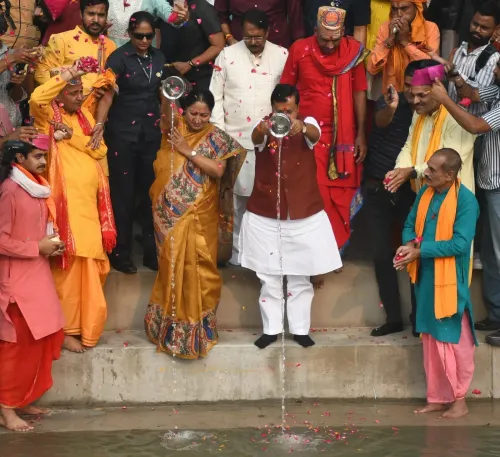
The drive was held at the same ghats used for Chhath Puja rituals, connecting faith and civic hygiene symbolically.
The campaign was tagged under #ViksitDelhi , tying local cleanliness efforts to Delhi's broader urban development agenda.
The event aligns with the template of the Swachh Bharat Mission , launched in 2014 , which pioneered celebrity-backed public cleanliness campaigns in India.
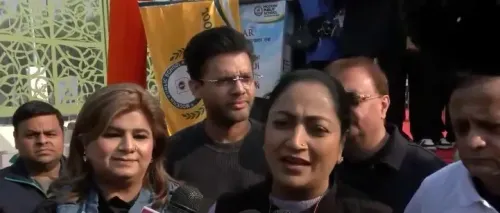
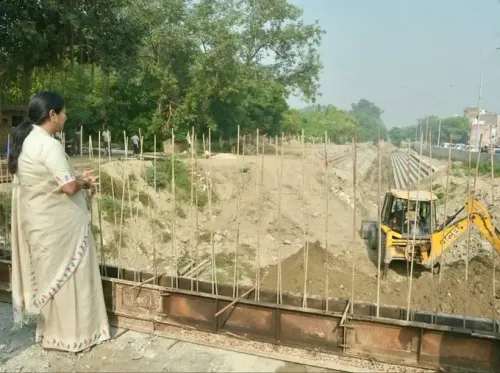
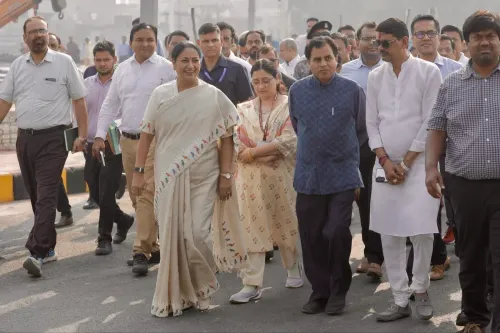
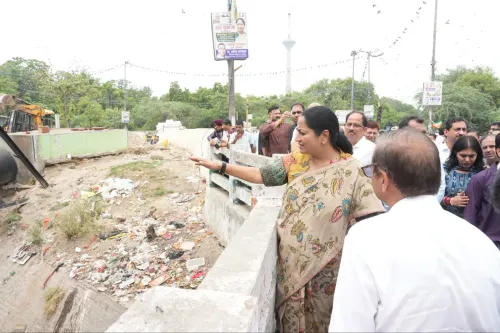
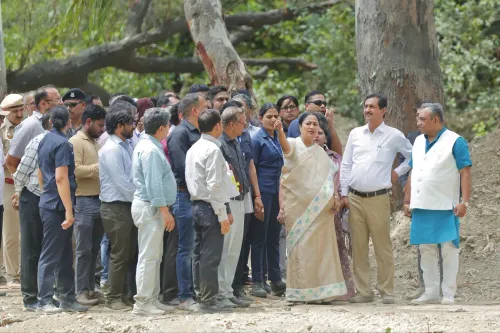
Faith brought Delhi together at the ghats during Chhath — and now a broom is doing the same. Delhi Chief Minister Rekha Gupta on Thursday, 19 November 2026, led a large-scale shramdaan (voluntary labour) cleanliness drive at Munak Canal, turning the same riverbanks that hosted Chhath rituals days earlier into the site of a civic clean-up celebration.
Posting on X, CM Gupta described the event in her own words: 'Chhath ke ghaton par aastha ne hamen joda tha, aaj unhin ghaton ki swachhata ne hamen phir ek saath la diya' — 'Faith united us at the Chhath ghats; today, the cleanliness of those very ghats has brought us together again.' The sentiment captured the dual purpose of the drive: preserve a sacred space and reinforce civic responsibility in one sweep.
Bollywood joins the brooms at Munak
The campaign drew star power alongside citizen power. Actor Jackie Shroff, actress Isha Gupta, and playback singer Stebin Ben joined CM Gupta and artist Bismil in the clean-up, lending the drive the kind of visibility that turns a one-day event into a conversation. Children and youth volunteers were singled out by the CM as the morning's real highlights — their energy, smiles, and nukkad natak (street theatre) performances wove a swachhata message through the gathering that no press release could match.
Post-Chhath clean-up as a civic ritual
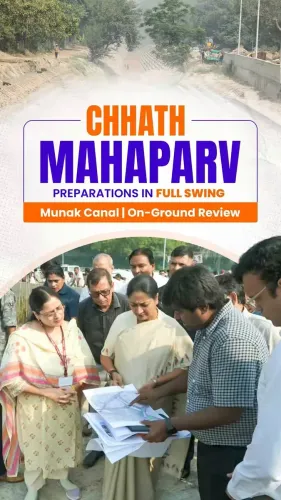
The timing is deliberate. Chhath Puja, one of North India's most widely observed festivals, draws enormous crowds to canal and riverbank ghats for sunrise and sunset rituals over four days. The aftermath — flowers, offerings, packaging — can leave water bodies significantly burdened. Indian state governments have increasingly treated the post-Chhath window as a mobilisation opportunity, organising community drives while public memory of the festival is still warm and civic solidarity is high.
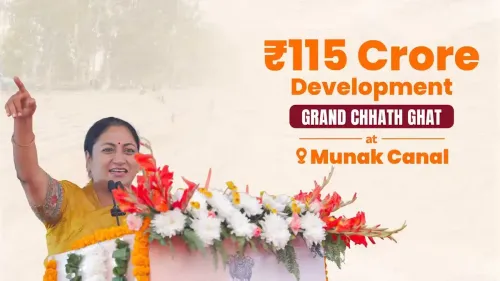
Munak Canal, a major water-supply artery for Delhi, makes the symbolism sharper: clean water infrastructure and clean public spaces are the same conversation. The event was tagged under #ViksitDelhi, situating it within the ruling dispensation's broader urban-development narrative — the idea that a 'developed Delhi' is built as much by brooms and citizen participation as by concrete and capital.
Swachh Bharat's local echo
The drive echoes the Swachh Bharat Mission, launched nationally in 2014, which set the template for government-backed, celebrity-amplified cleanliness campaigns as instruments of both sanitation and civic identity. More than a decade later, the formula — a prominent leader, a recognisable face from entertainment, a crowd of volunteers, and a camera — continues to demonstrate its ability to generate both clean-up results and public engagement at the grassroots level.
Whether Munak Canal clean-ups become a fixed entry in Delhi's annual sanitation calendar — a formal post-Chhath ritual of civic hygiene — is the question the #ViksitDelhi hashtag quietly raises.
Point of View
The Rekha Gupta administration is threading together two potent civic narratives: festival piety and infrastructure stewardship. Celebrity participation transforms a local sanitation event into shareable content, extending the government's urban-development messaging far beyond the ghat. The #ViksitDelhi framing is significant: it positions cleanliness not as reactive maintenance but as a building block of Delhi's development identity, an echo of the Swachh Bharat playbook refined for a city-state audience. If institutionalised as an annual post-Chhath ritual, the drive could become a durable soft-power asset for the BJP in Delhi's civic politics.
NationPress
19 Nov 2026
Frequently Asked Questions
What is the post-Chhath cleanliness drive at Munak Canal?
It is a voluntary shramdaan campaign organised by Delhi CM Rekha Gupta on 19 November 2026 to clean the ghats of Munak Canal after Chhath Puja celebrations, bringing together citizens, youth volunteers, and celebrities.
Who joined Rekha Gupta at the Munak Canal clean-up?
Actor Jackie Shroff, actress Isha Gupta, singer Stebin Ben, artist Bismil, and a large number of Delhi residents and young volunteers participated in the drive alongside CM Rekha Gupta.
Why is Munak Canal important for Delhi?
Munak Canal is a major water-supply channel for Delhi. It also hosts Chhath Puja ghats, making post-festival cleanliness at the site particularly significant for both water quality and public hygiene.
What is the connection between this drive and Swachh Bharat Mission?
The Swachh Bharat Mission, launched in 2014, established the model of government-led, celebrity-supported public cleanliness drives in India. The Munak Canal campaign follows that template, using community participation and high-profile faces to amplify civic messaging.
What does #ViksitDelhi mean?
#ViksitDelhi translates to 'Developed Delhi' and is the hashtag used by the Delhi government to frame urban development and civic initiatives, including this cleanliness drive, as part of a larger vision for the city's growth.