CM Rekha Gupta Wishes Minister Savitri Thakur on Birthday
Synopsis
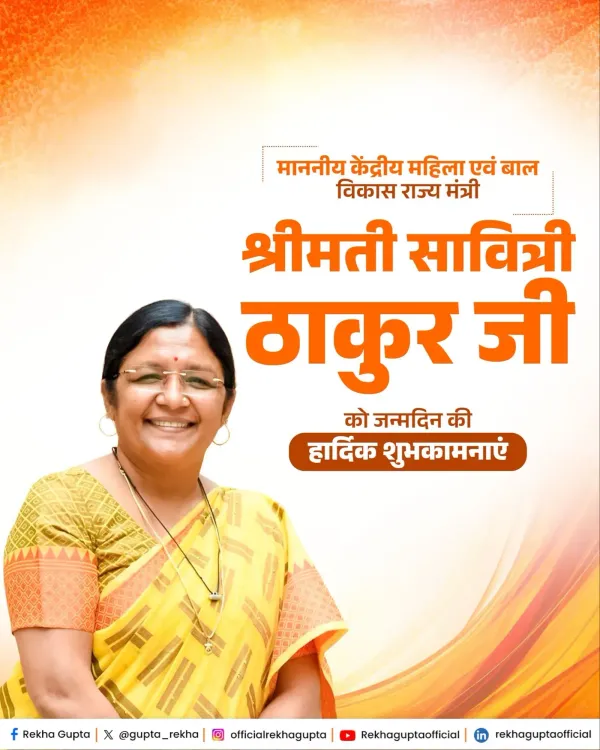
Delhi Chief Minister Rekha Gupta on June 1, 2026 publicly wished Union Minister of State Savitri Thakur on her birthday, highlighting Thakur's work in public welfare and women's empowerment and invoking Baba Mahakal's blessings for her health and long life.
Key Takeaways
Delhi CM Rekha Gupta posted birthday greetings for Union MoS Savitri Thakur on June 1, 2026 .
Gupta praised Thakur's contributions to public welfare and women's empowerment .
The message included a prayer to Baba Mahakal for Thakur's good health and long life.
Savitri Thakur serves under the Ministry of Women and Child Development , which oversees schemes like Beti Bachao Beti Padhao .
The exchange reflects the BJP's practice of using public platforms to signal party unity and shared social-sector priorities.
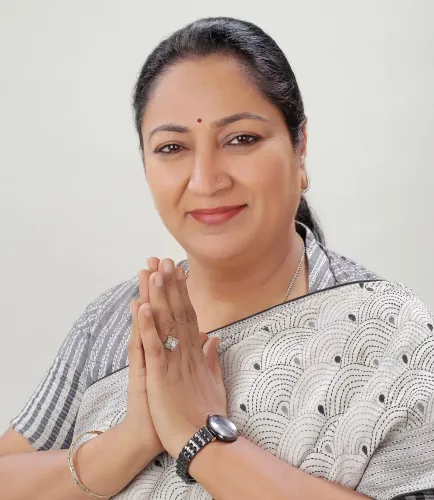
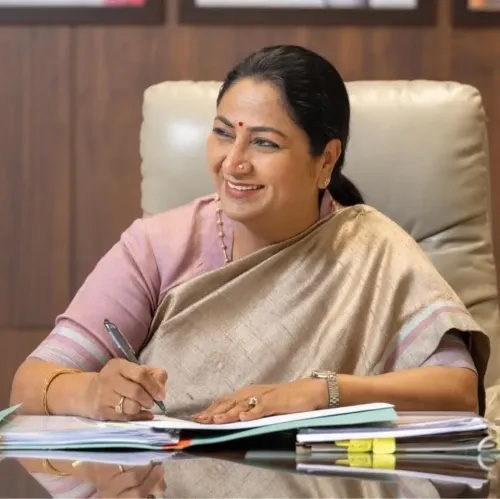
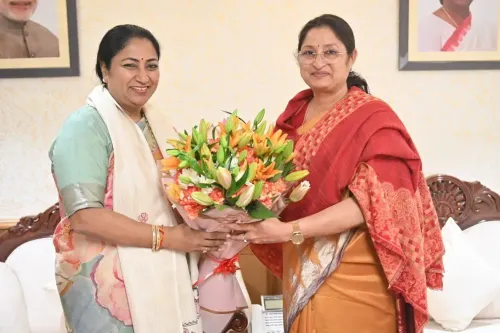
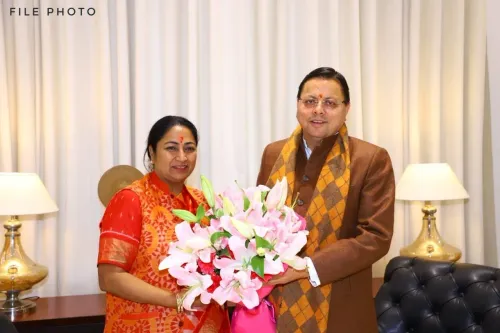
Delhi Chief Minister Rekha Gupta extended birthday greetings to Union Minister of State for Women and Child Development Savitri Thakur on Monday, June 1, 2026, praising her contributions to public welfare and women's empowerment. The message, shared on X, also carried a prayer for the minister's good health and long life.
Context
In her post, CM Rekha Gupta wrote in Hindi: 'जन्मदिन की हार्दिक बधाई एवं शुभकामनाएं' ('Heartfelt birthday congratulations and best wishes'), addressing Savitri Thakur by her official designation as the Honourable Union Minister of State. She invoked 'Baba Mahakal' — the presiding deity of Ujjain's Mahakaleshwar temple — seeking blessings for Thakur's well-being, a culturally resonant gesture common among leaders with roots in central India.
Gupta specifically acknowledged Thakur's efforts in the fields of 'lokkallyan evam mahila sashaktikaran' ('public welfare and women's empowerment'), framing the tribute around policy work rather than personal ties alone.
Policy Backdrop
Savitri Thakur serves as Union Minister of State under the Ministry of Women and Child Development, the nodal central body responsible for flagship programmes covering gender equality, child nutrition, and safety schemes. The ministry oversees initiatives including the Beti Bachao Beti Padhao scheme, launched in 2015, which targets improvement in the child sex ratio and promotes girls' education across districts.
Since 2014, the central government has consistently positioned women's welfare as a defining pillar of its social sector agenda. Ministers within this portfolio carry responsibility for coordinating with state governments on scheme rollout, beneficiary outreach, and budgetary utilisation — areas where Delhi's administration intersects with central mandates.
Stakeholders and Impact
The public exchange between a state chief minister and a central minister of state reflects the layered coordination required for welfare delivery — schemes designed at the centre must be implemented through state machinery. Delhi, as the national capital, is both a direct beneficiary of central schemes and a key partner in their visibility.
Women's groups, child welfare organisations, and beneficiaries of nutrition and livelihood programmes under the ministry's umbrella form the primary stakeholder base whose interests both leaders are publicly aligned with. BJP leaders regularly use such public greetings to reinforce shared priorities and signal party cohesion on social sector issues.
What's Next
Attention will turn to the next parliamentary session and the upcoming budget cycle, where updates on central women and child development schemes — including fund allocations and implementation reviews — are expected. Any joint initiatives between Delhi's state government and the Ministry of Women and Child Development in the coming months will be closely watched by welfare advocates and opposition legislators alike.
Point of View
While ceremonial, form part of a consistent communication strategy that keeps welfare schemes in public discourse between major policy announcements.
NationPress
21 Sept 2026
Frequently Asked Questions
Who is Savitri Thakur?
Savitri Thakur is a BJP politician serving as Union Minister of State for Women and Child Development, responsible for overseeing gender equality, child protection, and nutrition programmes at the central government level.
Why did Delhi CM Rekha Gupta wish Savitri Thakur?
Rekha Gupta posted birthday greetings for Savitri Thakur on June 1, 2026, praising her work in public welfare and women's empowerment and praying for her good health.
What is the Ministry of Women and Child Development?
It is the central government ministry that administers welfare schemes for women and children in India, including the Beti Bachao Beti Padhao programme launched in 2015.
What is Beti Bachao Beti Padhao?
Beti Bachao Beti Padhao is a central government scheme launched in 2015 aimed at improving the child sex ratio and promoting the education and empowerment of girls across India.
What did Rekha Gupta say about Savitri Thakur?
Rekha Gupta said Thakur's efforts in the fields of public welfare and women's empowerment are commendable, and she invoked Baba Mahakal's blessings for Thakur's good health and long life.