CM Hemant Soren joins Jharkhand Adivasi Mahotsav Jatra
Synopsis
On World Indigenous Peoples' Day, Jharkhand CM Hemant Soren joined the grand Jatra Shobha Yatra of the Jharkhand Adivasi Mahotsav, calling it a celebration not just of culture but of Adivasi identity, self-respect and pride.
Key Takeaways
Hemant Soren participated in the Jatra Shobha Yatra of the Jharkhand Adivasi Mahotsav on 9 August 2026 .
The event coincided with World Indigenous Peoples' Day , observed annually on 9 August .
Soren described the festival as a celebration of Adivasi 'identity, self-respect and pride' — not merely of culture.
The Jharkhand Mukti Morcha , which Soren leads as executive president, was founded on advocacy for tribal rights and the creation of Jharkhand state.
Jharkhand was established in 2000 following decades of tribal movements demanding autonomy and cultural recognition.
Soren closed his post with Johar , the traditional Adivasi greeting of respect.
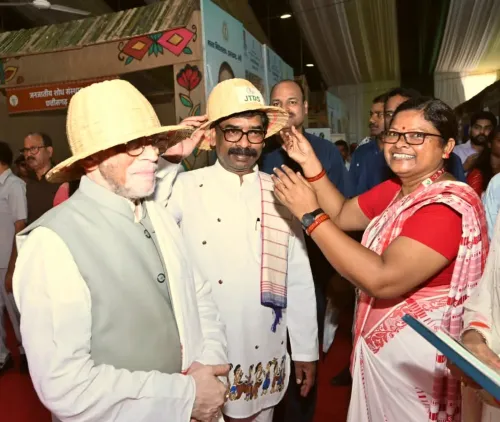
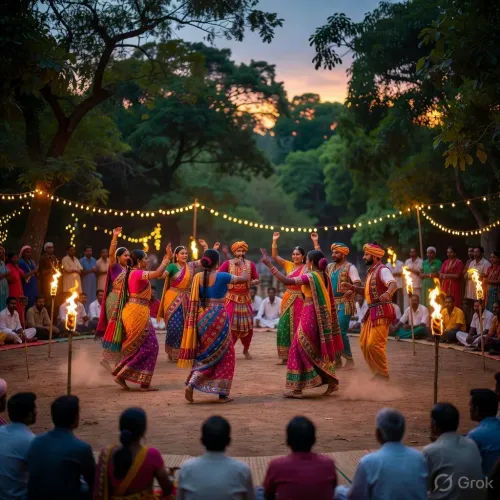
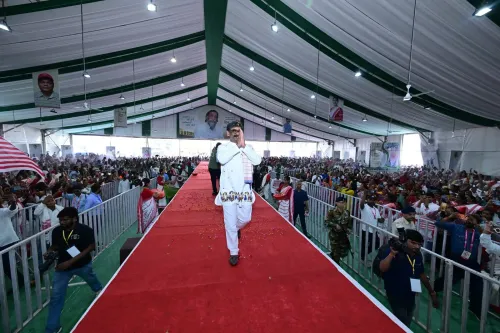
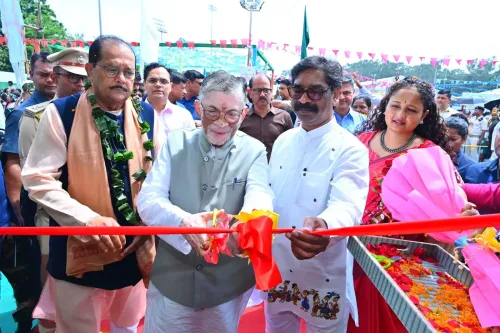
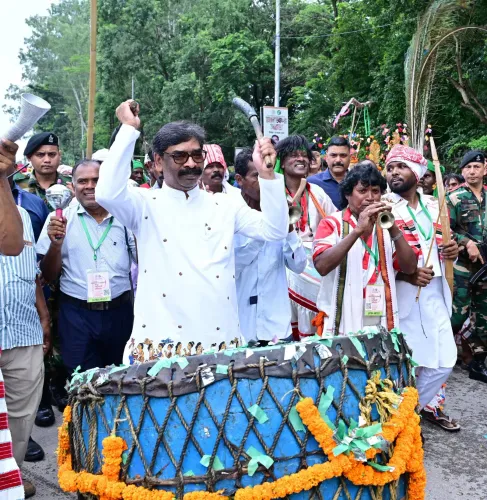
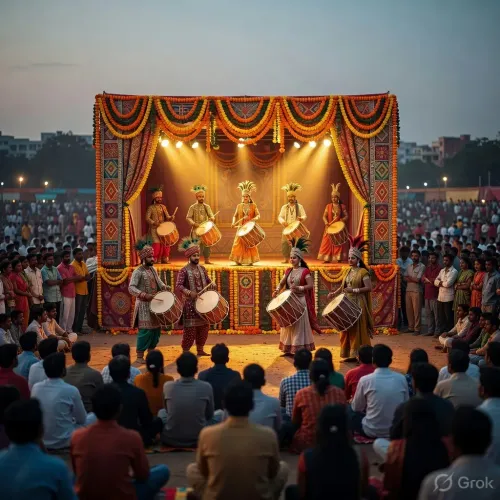
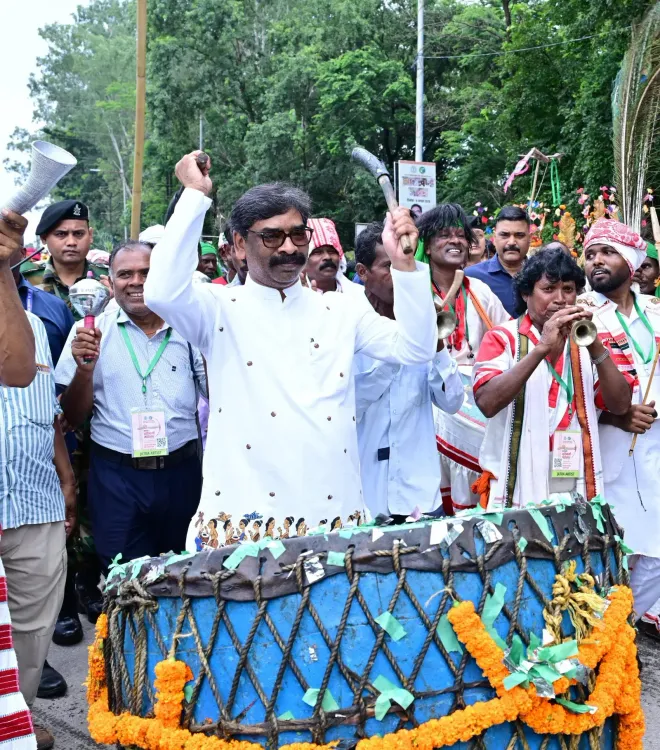
To the beat of the maadar drum and the sweep of traditional dance, Jharkhand Chief Minister Hemant Soren joined thousands at the grand Jatra Shobha Yatra of the Jharkhand Adivasi Mahotsav on Sunday, 9 August 2026 — World Indigenous Peoples' Day — celebrating the state's Adivasi heritage in full public display.
Posting on X in Hindi, Soren declared: 'Today all of Jharkhand is swaying to the rhythm of the living traditions of Adivasi society, the beat of the maadar, and the cadence of traditional dance.' He described his participation in the Jatra Shobha Yatra as an act of reverence toward a 'rich cultural heritage, traditions and identity.' The post closed with 'Johar' — the traditional Adivasi greeting of respect.
More than a festival: Soren frames it as a declaration of identity
The Chief Minister drew a deliberate distinction in his message: 'This celebration is not merely a festival of our culture, but a festival of our identity, self-respect and pride.' The framing is characteristic of Jharkhand Mukti Morcha politics, which has long positioned tribal cultural assertion as inseparable from political self-determination. Soren, who also serves as executive president of the JMM, has consistently used public cultural moments to reinforce that connection.
Jharkhand's founding compact with its Adivasi population
Jharkhand was carved out of Bihar in 2000 after decades of tribal movements demanding autonomy, cultural recognition, and control over forest and land resources. The state's very creation was a political acknowledgement that its Adivasi communities — among the most significant concentrations of Scheduled Tribe populations in India — deserved a distinct administrative home. Annual observances like the Adivasi Mahotsav sit within that founding compact, backed by constitutional protections for Scheduled Tribes and a state government that has made cultural programming a visible policy priority.
World Indigenous Peoples' Day, observed globally on 9 August every year, gives these domestic celebrations an international frame — connecting Jharkhand's tribal communities to a worldwide movement for indigenous rights and recognition.
The maadar keeps beating. And in Jharkhand, that sound carries the weight of a state's entire reason for being.
Point of View
He signals to Adivasi constituencies that the state government sees cultural assertion as a governance priority, not a ceremonial afterthought. The timing on World Indigenous Peoples' Day also places Jharkhand's tribal politics within a global rights framework, lending it an international legitimacy that purely domestic messaging cannot. Ahead of any future electoral cycle, events like this serve as visible proof-of-commitment to the communities whose support underpins JMM's political base.
NationPress
9 Aug 2026
Frequently Asked Questions
What is the Jharkhand Adivasi Mahotsav?
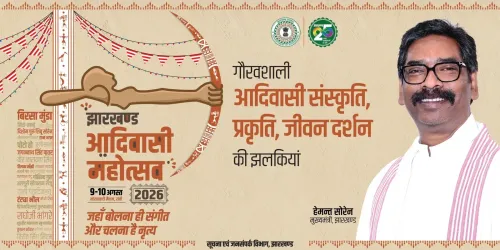
The Jharkhand Adivasi Mahotsav is a state-organised cultural festival celebrating the traditions, music, dance and identity of Jharkhand's Adivasi communities, typically held around World Indigenous Peoples' Day on 9 August.
What is World Indigenous Peoples' Day?
World Indigenous Peoples' Day is observed globally every year on 9 August to highlight the rights, cultures and contributions of indigenous communities around the world.
What is 'Johar' and why did Hemant Soren use it?
'Johar' is a traditional greeting of respect used by Adivasi communities in Jharkhand and neighbouring regions. Soren used it to close his post as a mark of solidarity and cultural reverence.
Why was Jharkhand created as a separate state?
Jharkhand was carved out of Bihar in 2000 after decades of tribal movements demanding autonomy, cultural recognition and control over land and forest resources for its significant Scheduled Tribe population.
What is the Jharkhand Mukti Morcha?
The Jharkhand Mukti Morcha is a regional political party founded to advocate for tribal rights and the creation of Jharkhand state. Hemant Soren serves as both Chief Minister of Jharkhand and executive president of the party.