CM Himanta: 2,000+ Relief Centres Active Amid Assam Floods
Synopsis
Assam Chief Minister Himanta Biswa Sarma announced on 9 August 2026 that more than 2,000 relief distribution centres are active across the state, with rehabilitation efforts continuing for communities affected by the annual monsoon floods.
Key Takeaways
CM Himanta Biswa Sarma confirmed more than 2,000 relief distribution centres are operational across Assam as of 9 August 2026 .
Rehabilitation efforts for flood-affected communities are described as actively underway.
Assam's State Disaster Management Authority coordinates annual monsoon flood relief across the state's districts.
The Brahmaputra River and its tributaries cause recurrent flooding each year from June to September.
The update signals the response has moved into the rehabilitation phase beyond immediate emergency relief.
As monsoon waters continue to test one of India's most flood-prone states, Assam Chief Minister Himanta Biswa Sarma confirmed on 9 August 2026 that more than 2,000 relief distribution centres are now operational across Assam, with rehabilitation efforts actively underway for communities hit by this season's floods.
A relief network stretched across the state
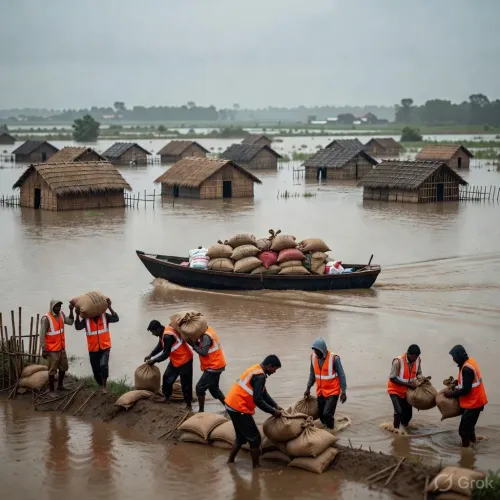
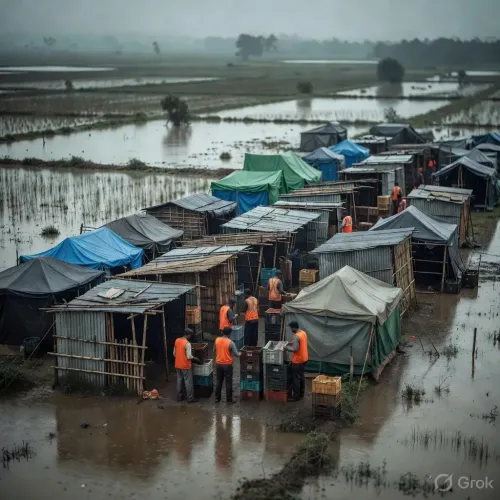
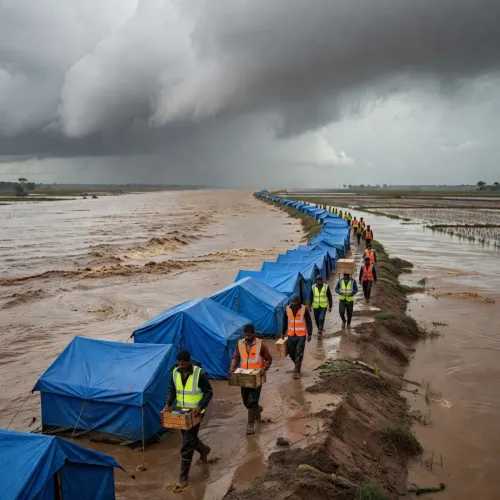
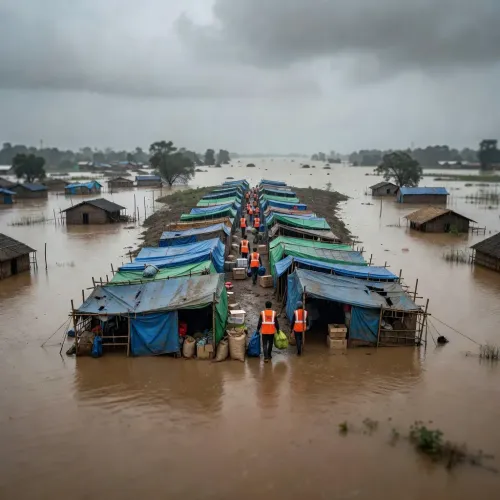
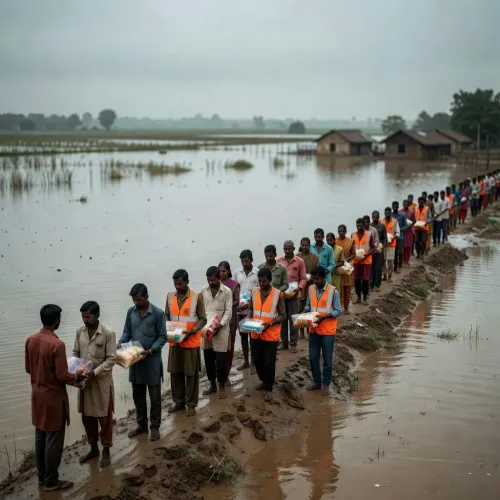
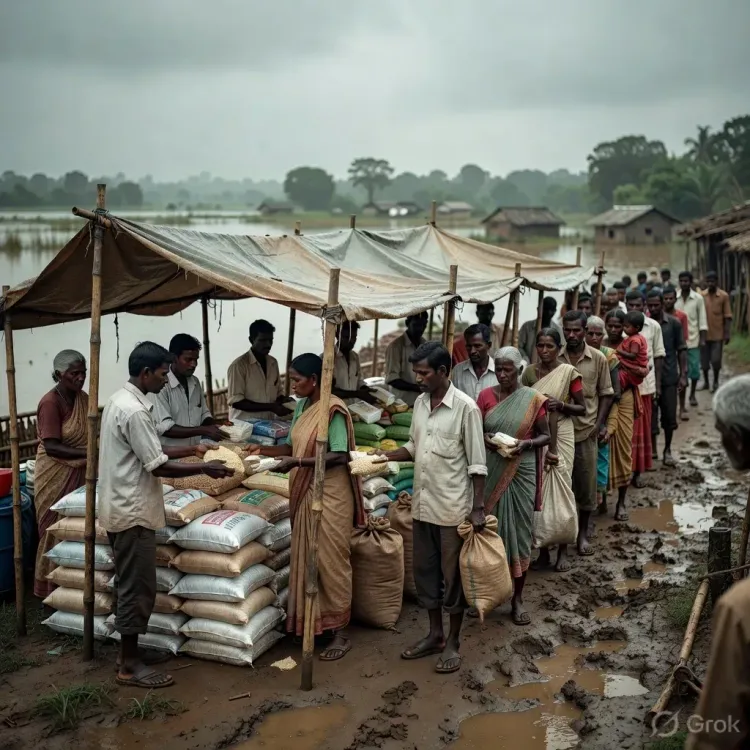
The scale of the response — over 2,000 centres running simultaneously — reflects the sheer geographic spread of flood impact across Assam's districts. The state's Disaster Management Authority coordinates these operations each monsoon season, deploying temporary shelters, food distribution, and medical aid through a network built and refined over years of recurrent flooding. CM Sarma's update signals that the machinery is in motion, even as communities remain displaced.Brahmaputra's annual reckoning
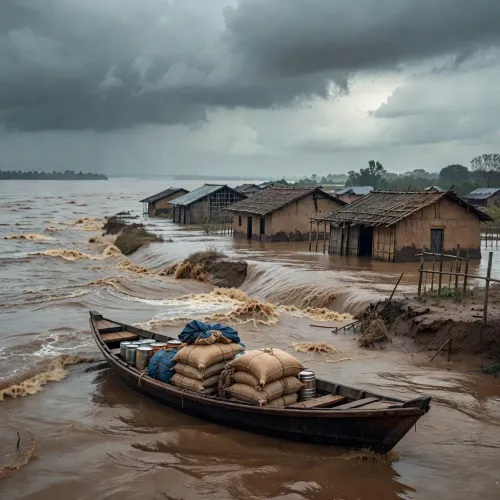
Assam's relationship with floods is not incidental — it is structural. The Brahmaputra River and its tributaries swell every June through September, inundating low-lying districts and forcing large-scale evacuations year after year. Successive state governments have maintained standing relief infrastructure precisely because the question is never if the floods will come, but how severe the season will be. The 2026 monsoon has once again triggered that full-scale response. Rehabilitation — the harder, slower work of helping families return to damaged homes and livelihoods — is noted as ongoing, a signal that the crisis has moved beyond the immediate emergency phase into the longer recovery arc. The next pressure point will be whether the state escalates requests for central government assistance as the monsoon continues through September.Point of View
Visible, quantified relief communication serves a dual purpose: reassuring affected constituents and building the administrative record that supports requests for central disaster funds. The broader pattern — Assam perpetually managing floods rather than resolving their structural causes — keeps the political spotlight on the state government's response capacity every monsoon. The real test, as always, will come in the rehabilitation phase, where the numbers are harder to count and the cameras move on.
NationPress
9 Aug 2026
Frequently Asked Questions
How many flood relief centres are operational in Assam in August 2026?
Assam Chief Minister Himanta Biswa Sarma stated on 9 August 2026 that more than 2,000 relief distribution centres are operational across the state.
Which river causes flooding in Assam every year?
The Brahmaputra River and its tributaries are the primary cause of Assam's annual monsoon flooding, which typically occurs from June to September.
Who is managing the Assam flood relief operations?
The Assam State Disaster Management Authority coordinates flood relief and rehabilitation operations, with oversight from Chief Minister Himanta Biswa Sarma.
What is the current status of Assam flood rehabilitation in 2026?
According to CM Sarma's 9 August 2026 update, rehabilitation efforts for flood-affected communities remain actively underway alongside ongoing relief distribution.
Does Assam flood every year?
Yes, Assam experiences severe flooding almost every year during the June-to-September monsoon season due to the Brahmaputra River and its tributaries, making it one of India's most flood-prone states.