CM Himanta Extends Kartik Puja Wishes to Assam, East India
Synopsis
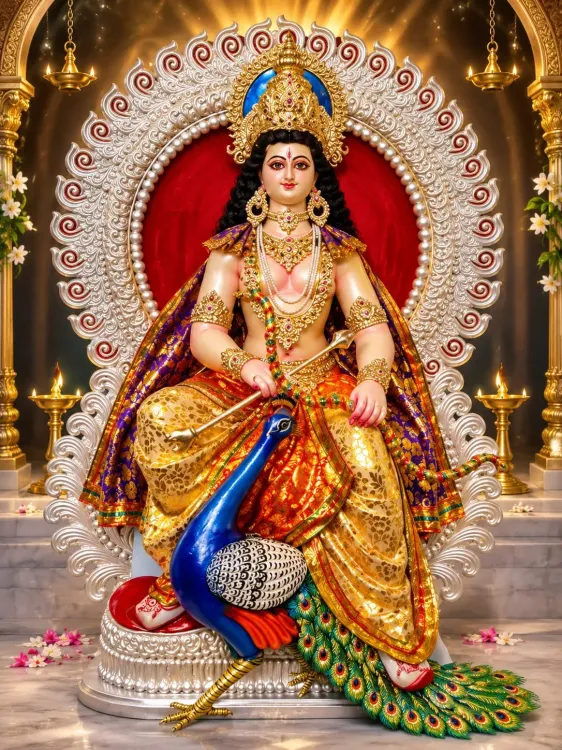
Assam Chief Minister Himanta Biswa Sarma greeted citizens on Kartik Puja on November 17, 2026, invoking Lord Kartikeya's blessings and specifically acknowledging Barak Valley, West Bengal, and eastern India as centres of the festival's observance.
Key Takeaways
CM Himanta Biswa Sarma extended Kartik Puja greetings on November 17, 2026 via a Hindi-language post on X.
His message specifically named Barak Valley in southern Assam, West Bengal , and broader eastern India as key regions celebrating the festival.
He invoked the blessings of Lord Kartikeya — the divine commander of celestial forces — for 'happiness, peace, and prosperity' in every life.
Barak Valley is home to a predominantly Bengali-speaking Hindu population for whom Kartik Puja is a major religious observance.
The greeting reflects CM Sarma's pattern of acknowledging festivals tied to Assam's diverse linguistic and cultural communities.
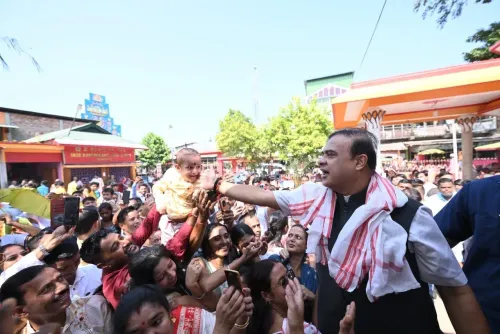
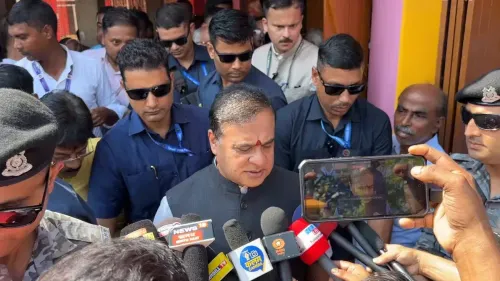
On the auspicious occasion of Shri Shri Kartik Puja, Assam Chief Minister Himanta Biswa Sarma extended warm greetings to the people of the state and beyond on Tuesday, November 17, 2026 — invoking the blessings of Lord Kartikeya, the divine commander of the celestial armies, for peace, happiness, and prosperity in every household.
In his post, written in Hindi, CM Sarma offered heartfelt wishes — 'हार्दिक शुभकामनाएँ' (heartfelt good wishes) — and specifically named Barak Valley in southern Assam, along with West Bengal and the broader eastern Indian belt as the heartland of this festival's observance. 'May the grace of Devasenpati Lord Kartikeya bring happiness, peace, and prosperity to everyone's life,' his message read.
Barak Valley at the Heart of the Celebration
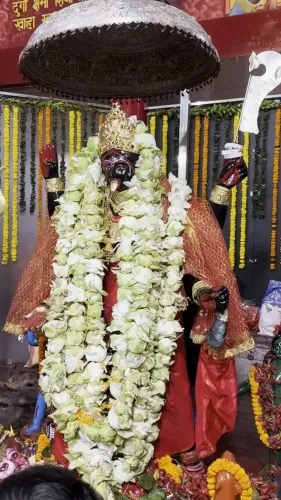
Barak Valley, Assam's southern region bordering Bangladesh and Mizoram, is home to a predominantly Bengali-speaking Hindu population for whom Kartik Puja holds deep religious significance. The festival marks the worship of Lord Kartikeya — also called Murugan or Skanda — the son of Shiva and Parvati, revered as the god of war and victory. Celebrated widely across West Bengal, Tripura, and eastern India, the puja typically falls in the month of Kartik in the Hindu lunar calendar.
Sarma's Outreach to Assam's Bengali Communities
CM Sarma has periodically marked regional religious festivals celebrated by different linguistic and cultural communities across Assam's diverse social fabric. His acknowledgement of Barak Valley by name — a region often discussed in the context of its distinct Bengali-speaking identity within the larger Assamese polity — signals a deliberate effort to reach across cultural lines. The gesture underscores the region's importance as a constituency that the state government keeps firmly in view.
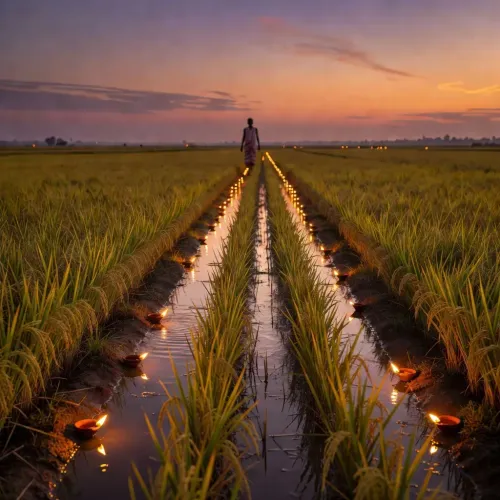
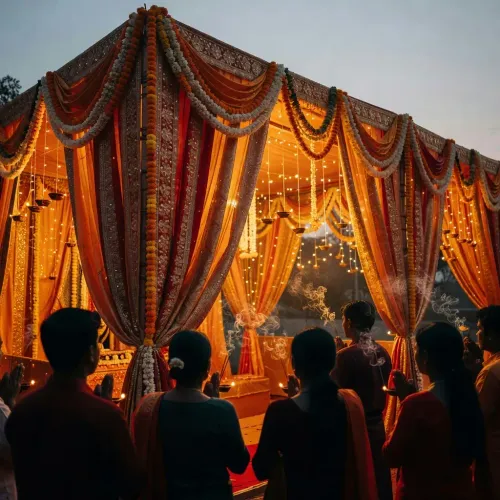
As lamps are lit and devotees gather in temples and homes across eastern India, the Chief Minister's message carries a simple, unifying note: that the blessings of a centuries-old tradition belong to everyone.
Point of View
Visibly honouring the festivals of different linguistic groups is part of a broader coalition-maintenance strategy. The invocation of Lord Kartikeya, revered across South and East India under different names, also carries a pan-Hindu resonance that fits neatly into the party's cultural messaging. At its core, this is routine festival diplomacy — but in Assam's layered political geography, there is no such thing as a purely ceremonial gesture.
NationPress
17 Nov 2026
Frequently Asked Questions
What is Kartik Puja and when is it celebrated?
Kartik Puja is a Hindu festival dedicated to Lord Kartikeya, the son of Shiva and Parvati and the divine commander of the gods, celebrated in the month of Kartik in the Hindu lunar calendar. It is observed with particular devotion in West Bengal, Assam's Barak Valley, Tripura, and other parts of eastern India.
Why did CM Himanta specifically mention Barak Valley in his Kartik Puja message?
Barak Valley in southern Assam has a predominantly Bengali-speaking Hindu population for whom Kartik Puja holds significant cultural and religious importance. By naming the region specifically, CM Sarma acknowledged the festival's particular resonance for that community.
Who is Lord Kartikeya, referenced in CM Sarma's post?
Lord Kartikeya — also known as Murugan, Skanda, or Devasenpati — is the Hindu god of war and victory and the commander of the divine army. He is worshipped widely across South India, East India, and in diaspora communities around the world.
Does CM Himanta Biswa Sarma regularly post greetings for regional festivals?
Yes, CM Sarma periodically issues greetings for religious and cultural festivals celebrated by various linguistic and ethnic communities across Assam, reflecting the state's diverse population.