CM Himanta Congratulates Bishnu Rabha, Sati Sadhani & Ajan Peer Awardees

Synopsis
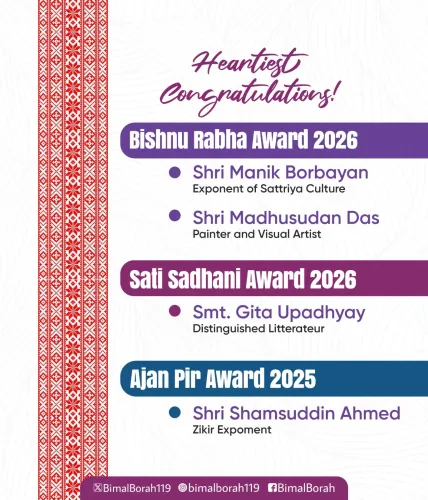
Chief Minister Dr. Himanta Biswa Sarma has congratulated the 2026 recipients of the Bishnu Rabha and Sati Sadhani Awards and the 2025 recipients of the Ajan Peer Award, honouring contributions to Assamese art, women's courage and communal harmony.
Key Takeaways
Himanta Biswa Sarma congratulated recipients of three state cultural awards on 17 June 2026 .
The Bishnu Rabha Award and Sati Sadhani Award were conferred for 2026 ; the Ajan Peer Award for 2025 .
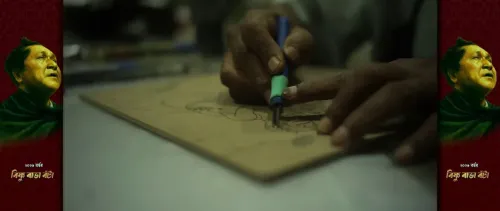
The Bishnu Rabha Award was instituted in 1998 , named after cultural icon Bishnu Prasad Rabha .
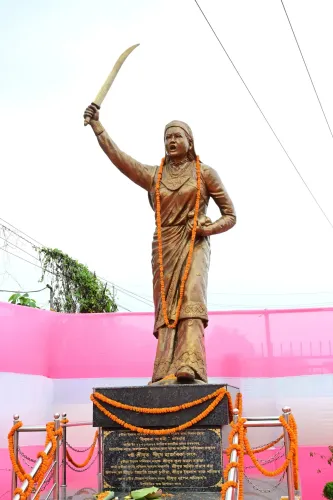
The Sati Sadhani Award honours women for courage and preservation of indigenous traditions, named after a 16th-century Chutia queen .
The Ajan Peer Award recognises promotion of communal harmony and Sufi traditions, named after 17th-century saint Ajan Fakir .
The formal investiture ceremony is typically held at a state function in Guwahati or Jorhat .
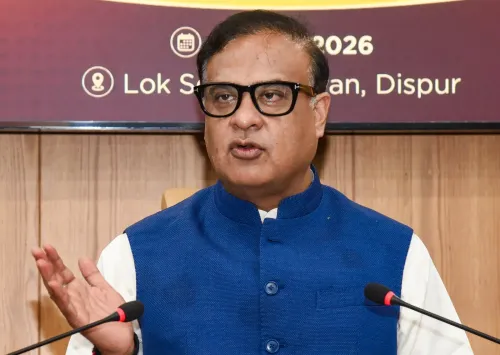
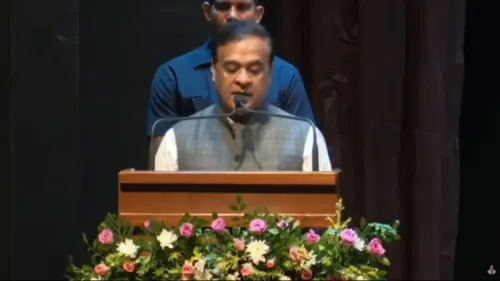
The Chief Minister's Office of Assam announced on Wednesday, 17 June 2026 that Chief Minister Dr. Himanta Biswa Sarma has extended congratulations to the recipients of the Bishnu Rabha Award and Sati Sadhani Award for 2026, as well as the recipients of the Ajan Peer Award for 2025, acknowledging their significant contributions to Assamese society and culture.
Context
The Chief Minister conveyed his gratitude to the awardees and expressed best wishes for their continued good health and success. The three awards together span a wide cross-section of Assam's cultural identity — from classical performing arts and literature to women's courage and social service, and communal harmony rooted in Sufi traditions.
Policy Backdrop
The Bishnu Rabha Award, instituted in 1998, is one of Assam's oldest state honours, named after cultural icon Bishnu Prasad Rabha and conferred annually for excellence in art, music, dance and literature. The Sati Sadhani Award commemorates the legendary 16th-century Chutia queen Sati Sadhani and recognises women for courage, social service and preservation of indigenous traditions. The Ajan Peer Award, named after the 17th-century Sufi saint Ajan Fakir (Shah Milan), honours individuals for promoting communal harmony, folk culture and Assamese Sufi traditions. Both the Sati Sadhani and Ajan Peer awards were added as part of an expansion of the state's cultural recognition framework after 2016, building on a policy lineage that began with the Bishnu Rabha and Rajyik awards in the late 1990s.
Successive Assam governments have used named state awards to institutionalise recognition of regional icons and to signal priority for the preservation of indigenous languages, performing arts and syncretic traditions amid rapid socio-economic change. The current government under Dr. Himanta Biswa Sarma, who took office in May 2021, has continued and expanded this practice.
Stakeholders and Impact
The awards carry significance for a broad set of stakeholders — Assamese artists, women achievers, cultural organisations and communities that maintain folk and Sufi traditions. By publicly congratulating the awardees, the Chief Minister's Office reinforces the state's commitment to recognising contributions that might otherwise remain outside mainstream institutional visibility. The three awards together reflect Assam's diverse cultural fabric, bridging classical arts, women's empowerment and inter-faith harmony.
What's Next
The formal investiture ceremony, at which the awards are typically presented, is usually held at a state function in Guwahati or Jorhat later in the year. The official release of the full list of awardees and the confirmed date and venue of the ceremony are awaited. The announcements are expected to draw attention to the individuals honoured and their respective fields of contribution to Assamese cultural life.
Point of View
Women's empowerment and Sufi heritage — signals a deliberate effort by the Himanta government to project an inclusive vision of Assamese identity. Naming awards after a communist folk artist, a medieval queen and a Sufi saint allows the state to address multiple constituency sensibilities at once. This pattern of institutionalised cultural recognition has historically served as a soft-power tool for state governments seeking to anchor regional identity politics without overt partisanship. The formal investiture ceremony, when held, will be the real test of whether the awards generate sustained public engagement or remain largely ceremonial.
NationPress
16 Sept 2026
Frequently Asked Questions
What is the Bishnu Rabha Award in Assam?
The Bishnu Rabha Award is a state honour instituted by the Assam government in 1998, conferred annually for excellence in art, music, dance and literature, named after cultural icon Bishnu Prasad Rabha.
What is the Sati Sadhani Award?
The Sati Sadhani Award recognises women for courage, social service and preservation of indigenous traditions, and is named after the legendary 16th-century Chutia queen Sati Sadhani.
What is the Ajan Peer Award?
The Ajan Peer Award is given for promotion of communal harmony, folk culture and Assamese Sufi traditions, named after the 17th-century Sufi saint Ajan Fakir, also known as Shah Milan.
Who congratulated the Bishnu Rabha and Sati Sadhani Award recipients in 2026?
Assam Chief Minister Dr. Himanta Biswa Sarma congratulated the recipients of the Bishnu Rabha Award and Sati Sadhani Award for 2026 on 17 June 2026.
When is the Assam cultural awards investiture ceremony held?
The formal investiture ceremony for Assam state cultural awards is typically held at a state function in Guwahati or Jorhat later in the year; the specific date and venue for the 2025-26 cycle have not yet been announced.