CM Himanta Meets MMUA Beneficiary Anjana, Hails Women's Self-Reliance
Synopsis
Assam Chief Minister Himanta Biswa Sarma met MMUA beneficiary Anjana on 2 August 2026, praising her resilience as a symbol of the scheme's mission to empower women entrepreneurs and build self-reliance across the state.
Key Takeaways
Assam CM Himanta Biswa Sarma met a woman named Anjana , a beneficiary of the Mukhya Mantri Mahila Udyamita Abhiyan (MMUA) , on 2 August 2026 .
Sarma described Anjana's resilience as 'inspiring' and emblematic of the MMUA's core mission.
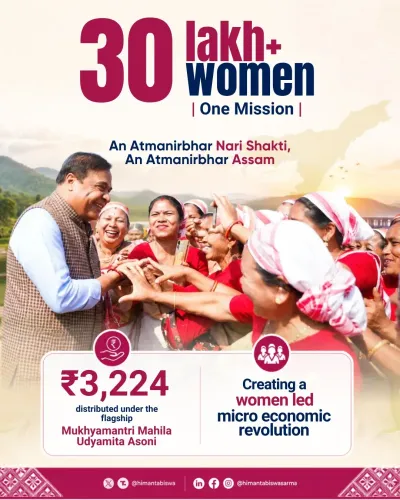
MMUA is an Assam government scheme providing financial assistance and training to help women launch micro-enterprises.
The meeting underscores the state government's repeated emphasis on Nari Shakti and women's economic self-reliance.
Direct beneficiary outreach by the Chief Minister signals active monitoring of MMUA's on-ground outcomes.
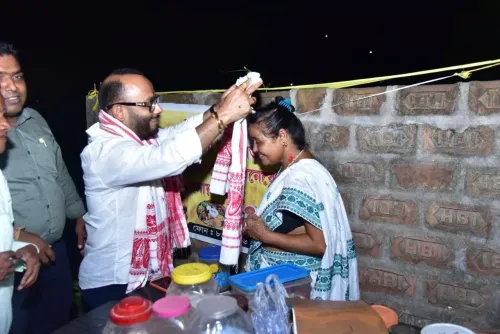
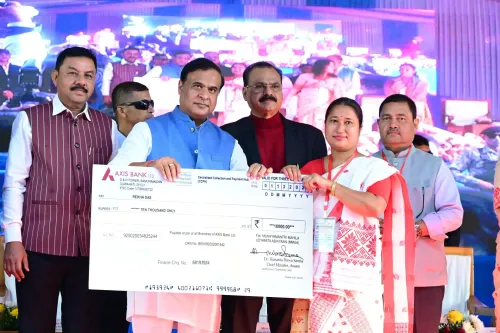
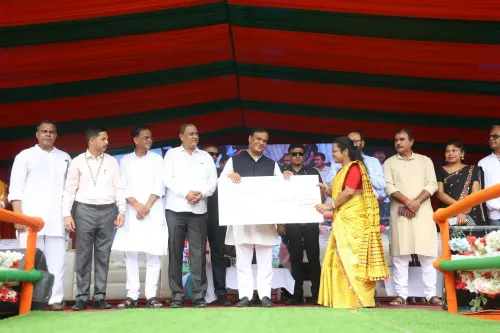
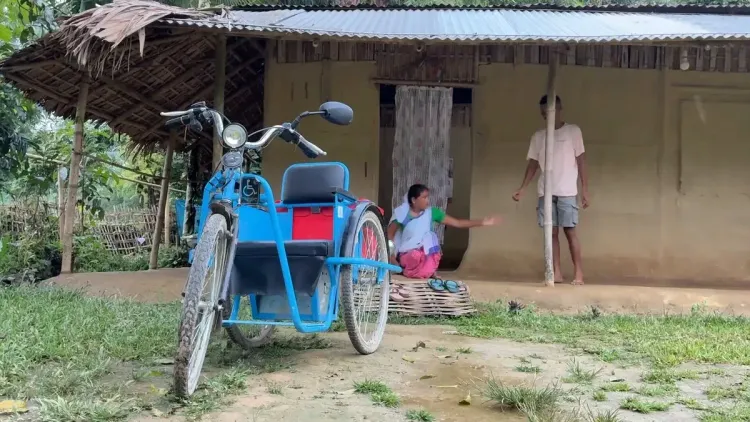
A woman named Anjana refused to let her circumstances write her story — and Assam Chief Minister Himanta Biswa Sarma made sure that story was heard. On Sunday, 2 August 2026, the Chief Minister shared a video of his meeting with Anjana, a beneficiary of the state's flagship women's entrepreneurship scheme, calling her resilience 'inspiring.'
What MMUA means for women like Anjana
The Mukhya Mantri Mahila Udyamita Abhiyan (MMUA) is Assam's targeted push to bring women — particularly from rural and semi-urban households — into the economic mainstream. Through financial assistance and skills training, the scheme helps women launch and sustain micro-enterprises, reducing dependence and building a foundation for long-term self-reliance. Sarma's post framed Anjana's journey as a direct reflection of that mission. 'Anjana's resilience reflects the true spirit of MMUA,' he wrote, invoking the government's broader Nari Shakti [women's power] narrative — one that has anchored Assam's welfare communication for the past several years.Beneficiary outreach as governance signal
The Chief Minister's direct engagement with a scheme beneficiary is not incidental. Such interactions serve a dual purpose: they validate programme outcomes on the ground and reinforce the government's messaging around women's economic empowerment. For a scheme like MMUA, where success is measured one household at a time, a face-to-face meeting — and the public visibility that follows — carries real policy weight. Assam has consistently positioned women's entrepreneurship as a pillar of its development agenda, and moments like this one signal that the rollout is moving beyond paperwork into lived outcomes. Whether Anjana's story becomes a template for wider outreach under MMUA will be worth watching as the scheme continues to expand across the state.Point of View
Amplifying its political resonance beyond Assam. For the BJP in the Northeast, showcasing welfare delivery through human stories has become a core electoral strategy. The real test for MMUA, however, lies in scale: whether beneficiary interactions like Anjana's reflect systemic impact or remain isolated showcases.
NationPress
16 Sept 2026
Frequently Asked Questions
What is the Mukhya Mantri Mahila Udyamita Abhiyan (MMUA) in Assam?
MMUA is an Assam government scheme designed to support women in starting micro-enterprises by providing financial assistance and skills training, with the goal of making them economically self-reliant.
Who is Anjana in CM Himanta's post?
Anjana is a beneficiary of the MMUA scheme whom Assam Chief Minister Himanta Biswa Sarma met and publicly praised for her resilience and self-reliance on 2 August 2026.
What is Nari Shakti and why does CM Himanta reference it?
'Nari Shakti' means women's power in Hindi, and it is a term used by both the Assam state government and the broader BJP to frame policies aimed at women's empowerment and economic independence.
How does MMUA help women in Assam?
The scheme provides financial support and training to rural and semi-urban women in Assam, enabling them to launch and sustain small businesses and reduce economic dependence.
Why does CM Himanta Biswa Sarma meet MMUA beneficiaries publicly?
Such meetings serve to validate the scheme's on-ground impact and reinforce the government's women's empowerment narrative, signalling that policy benefits are reaching real households.