CM Himanta Backs Women Entrepreneurs Under MMUA in Assam
Synopsis
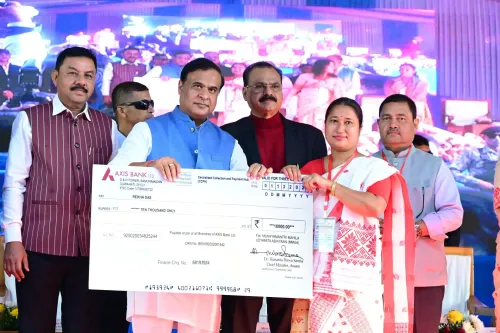
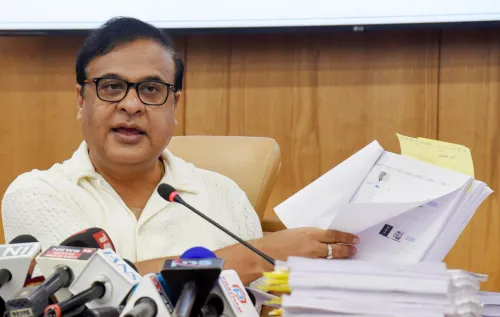
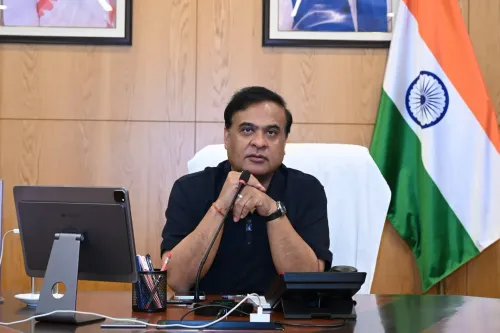
Assam Chief Minister Himanta Biswa Sarma on June 14, 2026 praised women entrepreneurs advancing self-reliance through the MMUA scheme and urged his entire team to visit their establishments, framing their progress as a rewriting of Assam's economic growth story.
Key Takeaways
CM Himanta Biswa Sarma publicly praised women in Assam for achieving Atmanirbharta (self-reliance) through the state's MMUA scheme .
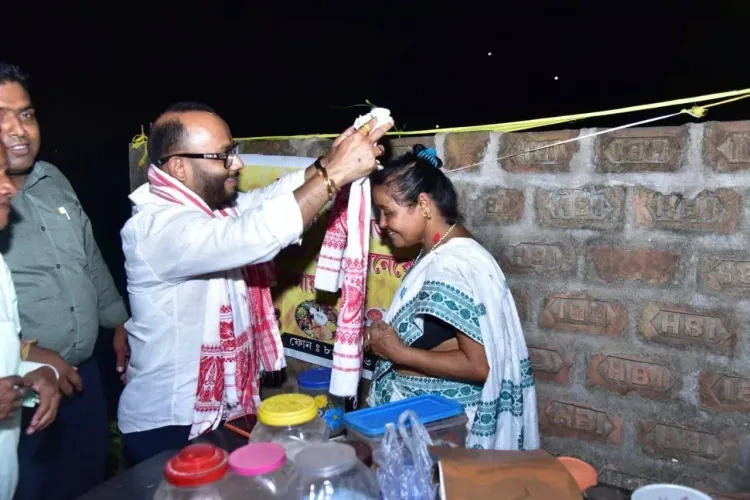
He directed all members of Team Assam to visit micro-enterprises set up by women beneficiaries to boost morale and provide recognition.
The women entrepreneurs were referred to as 'Udyami Nari Shakti' , reflecting the state's branding of female-led economic participation.
The MMUA scheme provides financial and institutional support to women establishing micro-enterprises, aligned with the national Atmanirbhar Bharat Abhiyan launched in May 2020 .
Women-led micro-enterprises have been a central pillar of Assam's economic strategy under the current BJP government.
State budget allocations and women workforce participation metrics under MMUA will be key indicators to watch in the next fiscal cycle.
Assam Chief Minister Himanta Biswa Sarma on Sunday, June 14, 2026, called on all members of Team Assam to actively support and visit women entrepreneurs who have established micro-enterprises under the state's MMUA scheme, describing their journey as a rewriting of Assam's economic growth story.
Context
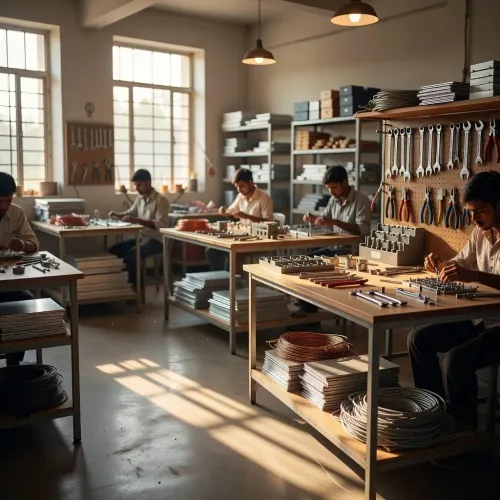
In his post on X, CM Sarma expressed pride in seeing women in the state chart a path of Atmanirbharta (self-reliance) through the MMUA scheme. He specifically urged every member of his administration and team to visit the establishments set up by these women entrepreneurs — whom he termed 'Udyami Nari Shakti' — to boost their morale and recognise their efforts.
The appeal reflects a deliberate administrative approach of pairing financial assistance with public recognition, reinforcing that institutional support alone is insufficient without visible encouragement from government representatives.
Policy Backdrop
The MMUA scheme is an Assam government initiative designed to provide financial and institutional support to women seeking to establish micro-enterprises and achieve economic self-reliance. It aligns closely with the national Atmanirbhar Bharat Abhiyan, launched by the central government in May 2020, which promotes domestic entrepreneurship and local manufacturing.
Under CM Sarma's tenure, Assam has made women-led micro-enterprises a central pillar of its economic strategy, positioning the state's schemes as a direct extension of the broader national self-reliance framework. Similar models of targeted support for female entrepreneurs have been adopted across other northeastern states to widen the base of local economic activity.
Stakeholders and Impact
The primary beneficiaries of the MMUA scheme are women entrepreneurs across Assam who have used state support to set up small businesses and micro-enterprises. For these women, public visits and recognition from government officials carry both symbolic and practical weight — signalling state commitment and potentially attracting local customers and investors.
The directive to Team Assam — which encompasses ministers, officials, and party workers — to personally visit these establishments is significant. It converts a financial scheme into a sustained engagement model, where the government acts as an active stakeholder in the success of each beneficiary rather than a one-time provider of funds.
What's Next
Attention will now turn to whether this call to action translates into a structured outreach programme or remains an informal appeal. State budget allocations for the MMUA scheme in the next fiscal cycle, along with any measurable improvement in Assam's women workforce participation metrics, will serve as key indicators of the scheme's on-ground impact.
As Assam continues to position itself as a model for women-led economic growth in the Northeast, the convergence of state schemes with the national Atmanirbhar framework could inform similar policy designs in other states with comparable demographic and economic profiles.
Point of View
Asking government functionaries to become active ambassadors for a state welfare scheme. This approach of embedding public recognition into the delivery architecture of a financial scheme reflects a broader BJP governance pattern of combining welfare outreach with visible political ownership. By invoking both 'Udyami Nari Shakti' and 'Atmanirbharta', Sarma consciously bridges state-level initiative with the national ideological framework, reinforcing Assam's alignment with central government priorities. The real test will be whether the directive leads to a measurable, structured engagement or fades as a one-time social media appeal.
NationPress
19 Sept 2026
Frequently Asked Questions
What is the MMUA scheme in Assam?
The MMUA scheme is an Assam government initiative that provides financial and institutional support to women to help them establish micro-enterprises and achieve economic self-reliance, aligned with the national Atmanirbhar Bharat framework.
What did Himanta Biswa Sarma say about women entrepreneurs on June 14 2026?
CM Himanta Biswa Sarma praised women in Assam for charting a path of self-reliance through the MMUA scheme and urged all members of Team Assam to visit their establishments to boost morale.
Who are Udyami Nari Shakti in Assam?
'Udyami Nari Shakti' is the term used by CM Sarma to refer to women entrepreneurs in Assam who have set up micro-enterprises, particularly those supported under the MMUA scheme.
How does the MMUA scheme connect to Atmanirbhar Bharat?
The MMUA scheme mirrors the principles of the national Atmanirbhar Bharat Abhiyan launched in May 2020, focusing on domestic entrepreneurship and self-reliance, with Assam applying this framework specifically to support women-led micro-enterprises.
What is Team Assam and why did CM Sarma address them?
Team Assam refers to the collective of ministers, officials, and party workers under CM Sarma's administration. He addressed them to personally visit and recognise the establishments of women entrepreneurs, turning a financial scheme into a sustained government engagement model.