CM Himanta hails PM Modi's appreciation of Lovlina Borgohain
Synopsis
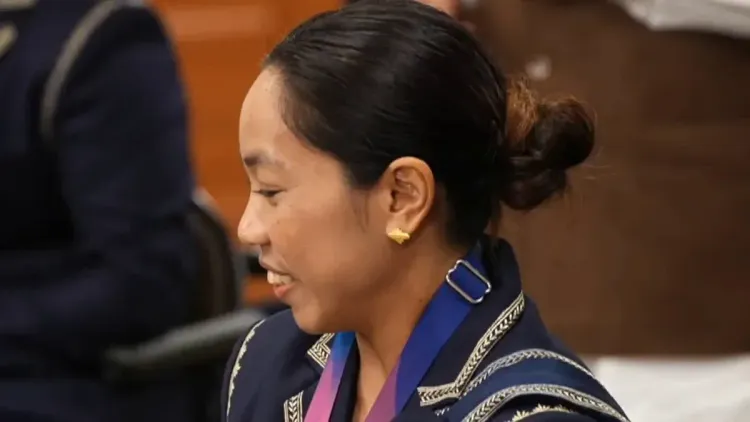
Assam CM Himanta Biswa Sarma praised Olympic bronze medallist Lovlina Borgohain after PM Modi appreciated the boxer for voicing her views in the national interest, calling the exchange an inspiration for India's youth.
Key Takeaways
Assam CM Himanta Biswa Sarma shared on August 10, 2026 that PM Narendra Modi appreciated Lovlina Borgohain for speaking out in the national interest.
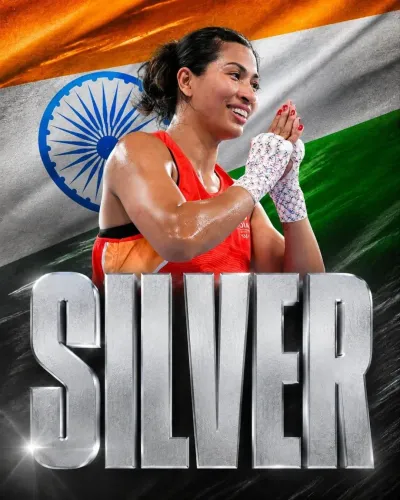
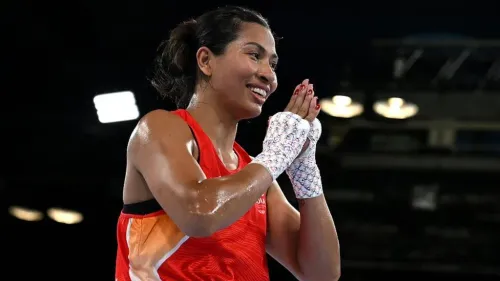
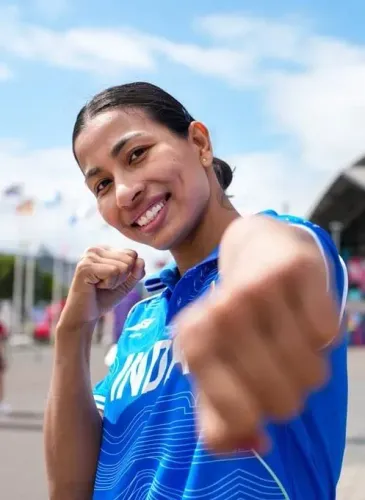
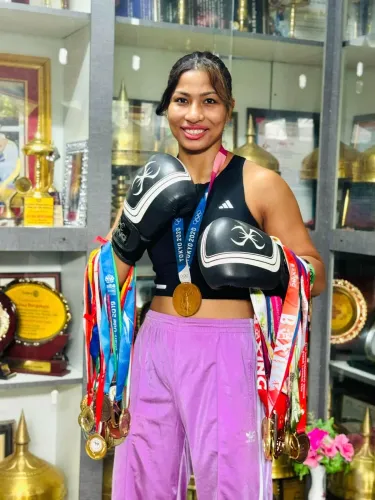
Lovlina Borgohain is a boxer from Golaghat, Assam who won India's first Olympic medal in women's boxing — a bronze at the 2020 Tokyo Olympics .
CM Sarma described the PM-athlete conversation as 'a source of inspiration for our youth.' The post reflects a broader BJP-Northeast strategy of linking local sporting icons to national patriotic narratives.
CM Sarma is also the convenor of the North-East Democratic Alliance (NEDA) , giving his amplification of this moment regional political weight.
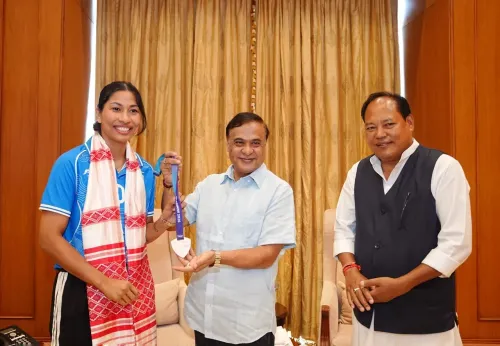
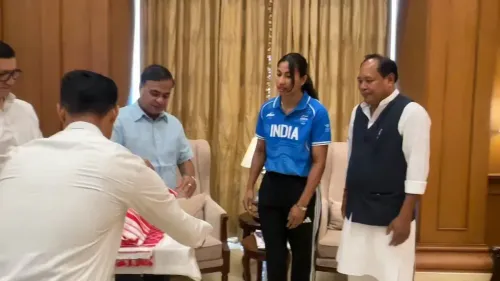
A boxer from Assam who once made India proud on the Olympic podium is now being celebrated for something beyond the ring. Assam Chief Minister Himanta Biswa Sarma on Monday, August 10, 2026, shared that Prime Minister Narendra Modi personally appreciated Olympic bronze medallist Lovlina Borgohain for voicing her views in the national interest — and called the exchange an inspiration for India's youth.
Posting in Hindi, CM Sarma wrote: 'Bharat ki beti khelti bhi hai, khilti bhi hai aur deshahit mein misaal bhi kayam karti hai' — 'India's daughter plays, blossoms, and sets an example in the national interest.' He noted that PM Modi had praised Lovlina for 'putting forth her views in the national interest,' describing the conversation between the Prime Minister and the athlete as 'a source of inspiration for our youth.'
From Tokyo's podium to a national conversation
Lovlina Borgohain, from Golaghat district, Assam, became a household name when she won India's first-ever Olympic medal in women's boxing — a bronze in the welterweight category at the 2020 Tokyo Olympics. That achievement drew recognition from both the Assam state government and the Centre, cementing her status as one of the Northeast's most prominent sporting icons.
The fact that PM Modi took time to personally acknowledge her public stance — whatever its specific content — signals the weight the government attaches to athletes who engage with national discourse beyond their sport. For a region like the Northeast, where the Centre has invested heavily in projecting local achievers as symbols of integration and development, such moments carry political as well as cultural resonance.
Northeast athletes as national symbols
BJP-governed states in the Northeast have increasingly positioned local sportspersons at the intersection of athletic achievement and patriotic messaging. CM Sarma, who also serves as convenor of the North-East Democratic Alliance (NEDA), has been a consistent amplifier of this narrative — regularly linking Assamese achievers in sport to broader stories of national pride and regional governance.
By framing Lovlina's exchange with the Prime Minister as a 'source of inspiration' for young Indians, Sarma is doing more than congratulating an athlete. He is stitching together sport, youth aspiration, and national identity into a single, deliberate message — one aimed squarely at Assam's next generation.
Whether Lovlina's renewed visibility translates into fresh state-level sports infrastructure commitments or a higher-profile role in upcoming national campaigns will be worth watching. For now, the message from Dispur is clear: India's daughters don't just win medals — they lead conversations.
Point of View
Sarma elevates a sporting figure into a political asset without the athlete needing to be explicitly partisan. It is a soft-power move that doubles as a governance signal: that Assam's daughters are not just competing on the world stage but shaping national conversations.
NationPress
24 Sept 2026
Frequently Asked Questions
Why did PM Modi appreciate Lovlina Borgohain?
According to Assam CM Himanta Biswa Sarma's post, PM Modi appreciated Lovlina Borgohain for putting forth her views in the national interest, though the exact content of her statement has not been officially detailed.
Who is Lovlina Borgohain?
Lovlina Borgohain is a boxer from Golaghat district, Assam who won a bronze medal in the women's welterweight category at the 2020 Tokyo Olympics , making her one of India's most celebrated women athletes.
What did Himanta Biswa Sarma say about Lovlina Borgohain?
CM Sarma said 'India's daughter plays, blossoms, and sets an example in the national interest,' and described PM Modi's appreciation of Lovlina as 'a source of inspiration for our youth.'
What is Lovlina Borgohain's Olympic achievement?
Lovlina Borgohain won India's first-ever Olympic medal in women's boxing — a bronze at the 2020 Tokyo Olympics in the welterweight category.
What is NEDA and what is Himanta Biswa Sarma's role in it?
NEDA stands for the North-East Democratic Alliance , a coalition of BJP and allied parties governing several northeastern states. Himanta Biswa Sarma , the Chief Minister of Assam, serves as its convenor.