CM Himanta launches ₹15,000 DBT relief for Assam flood victims
Synopsis
Chief Minister Himanta Biswa Sarma on 3 August 2026 launched ₹15,000 DBT transfers for around 77,500 flood-affected families in four Upper Assam districts, and simultaneously extended the state subsidy under PM Surya Ghar: Muft Bijli Yojana to eligible flood-hit households, combining immediate cash relief with long-term energy support.
Key Takeaways
₹15,000 per family transferred via Direct Benefit Transfer as interim financial assistance to flood-affected households.
Around 77,500 families across Sivasagar, Charaideo, Jorhat and Golaghat districts are covered under the initiative.
CM Himanta Biswa Sarma launched the relief on 3 August 2026 , announced through the Chief Minister's Office of Assam.
The State subsidy under PM Surya Ghar: Muft Bijli Yojana was simultaneously extended to eligible flood-affected households in the four districts.
The four districts lie in the Upper Assam flood-prone belt , recurrently hit by Brahmaputra flooding each monsoon season.
The DBT mechanism ensures direct, intermediary-free fund delivery, with potential for extension to additional flood-hit districts.
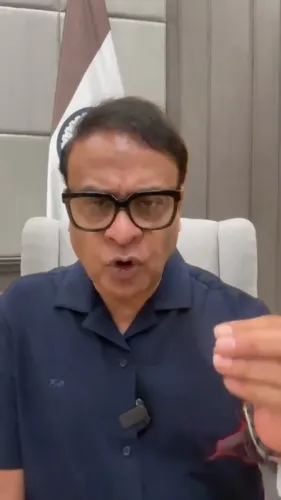
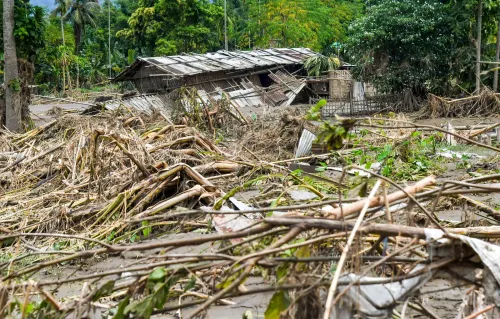
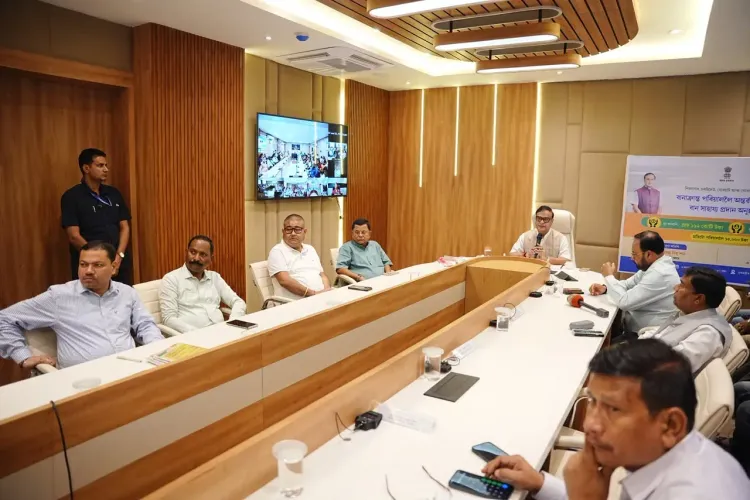
When the Brahmaputra swallows entire villages, the first question families ask is not about infrastructure — it is about survival. Chief Minister Dr. Himanta Biswa Sarma moved to answer that question on Monday, 3 August 2026, launching direct benefit transfers of ₹15,000 each as interim financial assistance for flood-affected families across Sivasagar, Charaideo, Jorhat and Golaghat districts in Upper Assam.
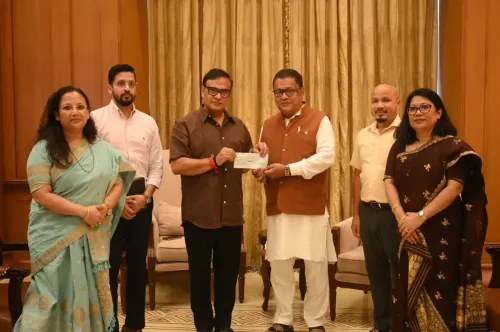
Around 77,500 families are set to benefit under the initiative, with funds flowing through the Direct Benefit Transfer mechanism directly into beneficiary accounts — bypassing intermediaries and reducing leakage. The Chief Minister's Office confirmed the launch via its official account, noting that the DBT push is designed to help households rebuild their lives in the immediate aftermath of inundation.
Solar subsidy layered onto flood relief
Beyond the cash transfer, CM Sarma simultaneously launched the State subsidy component under PM Surya Ghar: Muft Bijli Yojana for eligible flood-affected households in the four districts. The central government scheme — rolled out nationally in 2024 — provides subsidies for rooftop solar installations and free electricity up to a threshold of units per month. By extending the state-level subsidy to flood-hit families, Assam is stacking a long-term energy resilience layer on top of short-term disaster relief. It is a deliberate two-speed response: cash now, cheaper power later.Upper Assam's recurring flood belt
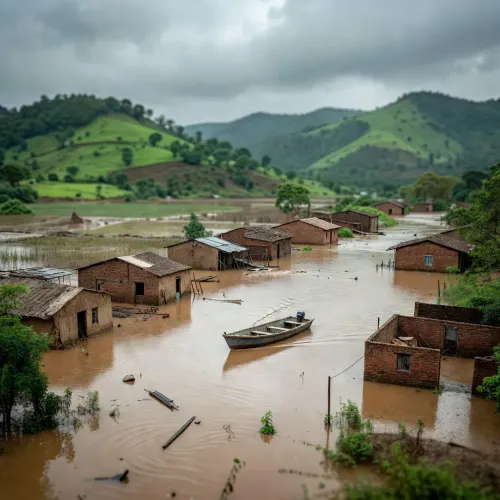
The four districts named are not chosen at random. Sivasagar, Charaideo, Jorhat and Golaghat sit in the upper Assam flood-prone belt, where the Brahmaputra and its tributaries breach embankments with near-annual regularity during the monsoon season. Displacement, crop loss and home damage compound across communities that have barely recovered from the previous year's floods before the next cycle begins. State governments have increasingly turned to DBT mechanisms to accelerate relief delivery, and Assam's use of the framework here continues that pattern.What the ₹15,000 transfer means on the ground
For a rural family whose home has been inundated, ₹15,000 covers immediate essentials — food, temporary shelter materials, replacement of basic household items — without the delays that plague physical distribution of relief goods. The DBT route also creates a digital record, enabling the state to track disbursement and identify gaps for possible extension to additional districts. The Chief Minister's Office has not yet indicated whether the scheme will be widened beyond the current four districts, but the architecture is in place to scale quickly if required.Point of View
Rather than treating them as separate policy tracks. For CM Himanta Biswa Sarma, the move serves both a humanitarian and a political purpose: DBT transfers are visible, verifiable and fast, making them ideal tools for demonstrating governmental responsiveness. The choice of four Upper Assam districts signals a geographic prioritisation of the state's most chronically flood-exposed communities. Whether this becomes a template for extending PM Surya Ghar adoption in disaster-prone regions nationally is worth watching.
NationPress
3 Aug 2026
Frequently Asked Questions
Who is eligible for the ₹15,000 flood relief in Assam?
Flood-affected families in Sivasagar, Charaideo, Jorhat and Golaghat districts are eligible for the ₹15,000 DBT transfer announced by CM Himanta Biswa Sarma on 3 August 2026. Around 77,500 families are expected to benefit.
What is PM Surya Ghar: Muft Bijli Yojana and how does it help flood victims?
PM Surya Ghar: Muft Bijli Yojana is a central government scheme launched in 2024 that provides subsidies for rooftop solar installations and free electricity up to a set number of units per month. Assam has extended the state subsidy component to eligible flood-affected households in the four named districts.
How will the ₹15,000 relief money reach flood-affected families in Assam?
The funds are being transferred through the Direct Benefit Transfer (DBT) mechanism, which routes money directly into beneficiaries' bank accounts without intermediaries, reducing delays and leakage.
Which districts in Assam are covered under the flood relief DBT scheme?
The four districts covered are Sivasagar, Charaideo, Jorhat and Golaghat, all located in the Upper Assam flood-prone belt.
Will the Assam flood relief DBT be extended to other districts?
The Chief Minister's Office has not officially confirmed an extension beyond the four named districts, but the DBT framework used is scalable and could be widened if additional districts are identified as needing support.