CM Himanta transfers ₹160 cr flood relief to 75,000 Assam families
Synopsis
Assam CM Himanta Biswa Sarma transferred ₹160 crore in interim flood relief — ₹15,000 each — to nearly 75,000 households across four districts on 3 August 2026, bundling PM Surya Ghar Yojana subsidies in the same disbursement. An additional ₹10,000 tranche for Sivasagar and Charaideo families is due shortly.
Key Takeaways
₹160 crore credited directly to flood-affected families in Assam on 3 August 2026 .
Nearly 75,000 households across four districts received ₹15,000 each as interim assistance.
PM Surya Ghar Yojana state subsidies were released simultaneously to eligible beneficiaries.
An additional ₹10,000 tranche for severely impacted families in Sivasagar and Charaideo will follow in the coming days.
Final compensation will be determined after a comprehensive damage assessment; the current payment is an interim floor.
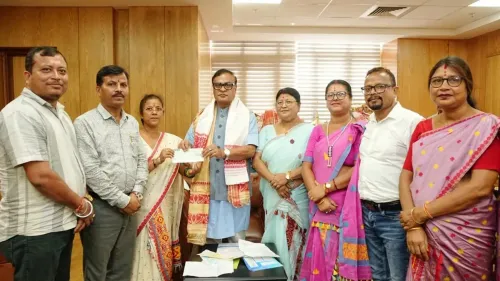
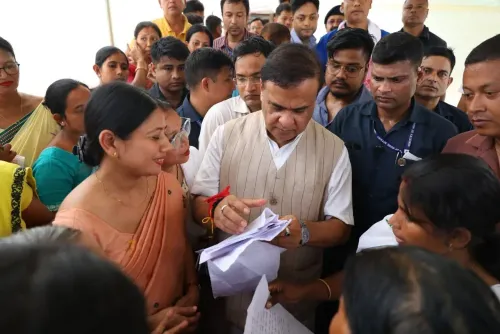
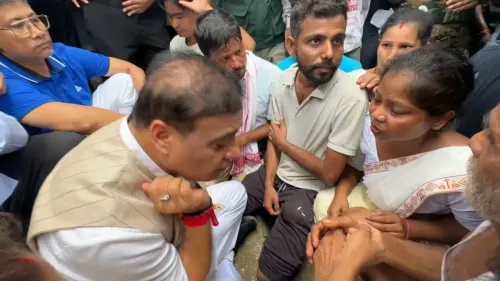
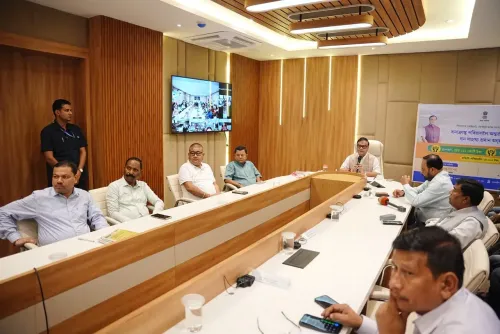
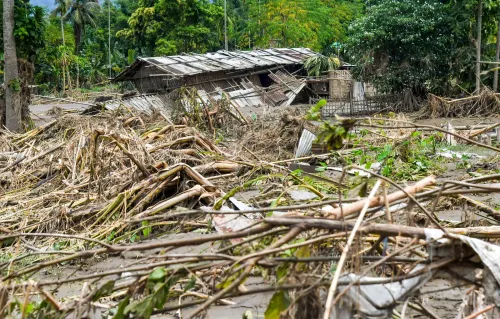
Roughly ₹160 crore landed in bank accounts on the morning of 3 August 2026 — not as a promise, but as a fact. Assam Chief Minister Himanta Biswa Sarma personally initiated direct transfers of ₹15,000 each to nearly 75,000 of the worst-hit households across four flood-ravaged districts, while simultaneously releasing state subsidies under the PM Surya Ghar Yojana to eligible families in the same tranche.
Cash first, assessment later — the logic behind the transfer
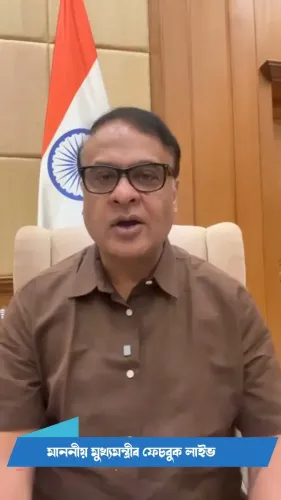
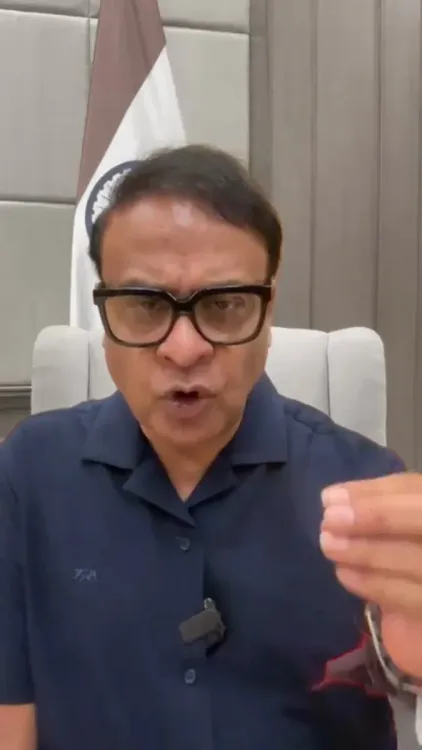
The Chief Minister framed the move explicitly: 'Our effort is to place immediate liquidity in the hands of families so they can begin rebuilding without delay, while final compensation is determined through a comprehensive assessment.' The interim payment is a bridge — money to buy essentials, repair what can be repaired, and keep households functional before the slower machinery of damage surveys produces final numbers.
Pairing flood relief with the PM Surya Ghar Muft Bijli Yojana — the 2024 central scheme that subsidises rooftop solar installations — is a deliberate double-hit for eligible households: immediate cash plus a capital subsidy that reduces future energy costs. Assam tops up the central subsidy at the state level, meaning qualifying families receive relief from two fiscal directions at once.
Sivasagar and Charaideo: a second tranche on the way
Sivasagar and Charaideo, two districts in eastern Assam that sit in the flood corridor of the Brahmaputra and its tributaries, are earmarked for an additional ₹10,000 per severely impacted family. Sarma confirmed this tranche will be released 'in the next few days,' signalling that the relief architecture has tiers — with the most damaged households receiving layered support.
Both districts are perennial flood flashpoints. The Brahmaputra's annual inundation cycle strips topsoil, destroys standing crops, and leaves families without income for weeks. The speed of the transfer — before comprehensive damage assessment is complete — reflects a shift in state relief doctrine: liquidity now, audit later.
A pattern that Assam has refined over monsoon seasons
Assam governments have run ex-gratia and direct-transfer programmes for flood victims across multiple monsoon seasons. What distinguishes this cycle is the integration of a central solar scheme into the same disbursement event — using the existing beneficiary database to deliver two types of support in a single operation. It compresses administrative lag and ensures that eligible families do not have to file separate applications while managing displacement.
The comprehensive damage assessment that will determine final compensation remains the critical next step. Until those numbers are published, the ₹15,000 interim payment is the floor, not the ceiling, of what affected families will receive.
Point of View
Not just scale. By bundling the PM Surya Ghar subsidy into the same transfer event, the Sarma government is using a central welfare scheme as an amplifier for disaster relief — a model that, if it holds, could become a template for other flood-prone states. The two-tier structure (₹15,000 now, ₹10,000 more for the worst-hit) also signals an attempt to triage severity without waiting for full assessment data. The real test comes when the comprehensive damage report is published and final compensation must match — or exceed — the interim floor already set.
NationPress
17 Sept 2026
Frequently Asked Questions
How much flood relief has Assam released in August 2026?
Assam CM Himanta Biswa Sarma credited approximately ₹160 crore directly into the bank accounts of flood-affected families on 3 August 2026, covering nearly 75,000 households across four districts.
How much money will each Assam flood victim household receive?
Each of the nearly 75,000 worst-hit households received an interim payment of ₹15,000. Severely impacted families in Sivasagar and Charaideo will receive an additional ₹10,000 in a subsequent tranche.
What is PM Surya Ghar Yojana and why was it included in flood relief?
PM Surya Ghar Muft Bijli Yojana is a central government scheme launched in 2024 that subsidises rooftop solar installations. The Assam government released state-level top-up subsidies under this scheme to eligible flood-affected households in the same disbursement, providing additional financial support alongside the interim cash relief.
Which Assam districts will get the extra ₹10,000 flood relief?
Sivasagar and Charaideo — two eastern Assam districts that are among the most severely impacted — will receive an additional ₹10,000 per badly affected family in the next few days, according to CM Sarma.
Is the ₹15,000 Assam flood relief the final compensation?
No. The ₹15,000 payment is explicitly an interim measure to provide immediate liquidity. Final compensation will be determined after a comprehensive damage assessment is completed.