CM Himanta launches portal for Bhupen Hazarika centenary closing event

Synopsis
Chief Minister Himanta Biswa Sarma has launched a public registration portal for the closing ceremony of Bharat Ratna Bhupen Hazarika's birth centenary, to be held on 29 November at Bharat Mandapam in New Delhi. Interested attendees can register at sudhakantha.assam.statedatacenter.in and receive an e-invitation.
Key Takeaways
CM Himanta Biswa Sarma launched the portal sudhakantha.assam.statedatacenter.in on 7 November 2026 for public registration to the closing ceremony.
The grand closing ceremony of Bhupen Hazarika's birth centenary is scheduled for 29 November at Bharat Mandapam, New Delhi .
Registered attendees will receive an e-invitation for the event.
Bhupen Hazarika , born in 1926, was posthumously awarded the Bharat Ratna in 2019 for his contributions to Indian music and cinema.
The choice of Bharat Mandapam underlines Hazarika's status as a national rather than purely regional cultural figure.
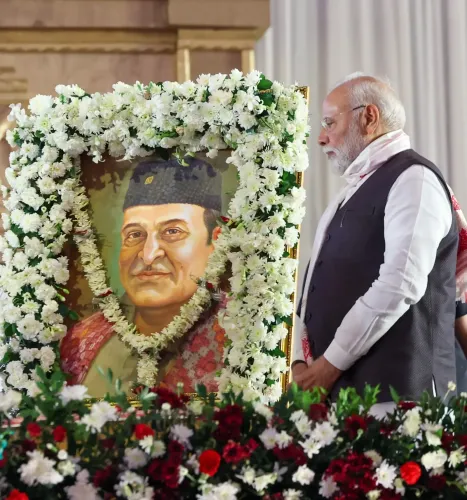
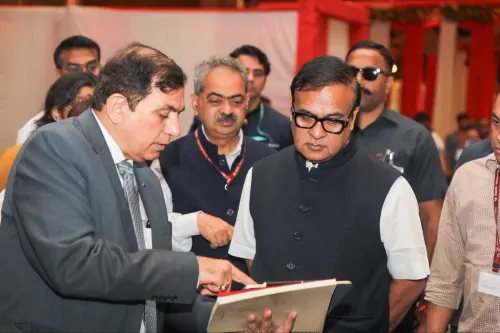
A hundred years after his birth, Bharat Ratna Dr. Bhupen Hazarika is being remembered on a national stage — and Assam Chief Minister Dr. Himanta Biswa Sarma wants as many people as possible to be in the room. On Saturday, 7 November 2026, the Chief Minister's Office of Assam announced the launch of a dedicated registration portal for the grand closing ceremony of Hazarika's birth centenary celebrations, scheduled for 29 November at Bharat Mandapam, New Delhi.
A portal, a ceremony, and a century of Bhupen Da
The portal — hosted at sudhakantha.assam.statedatacenter.in — allows interested attendees to register and receive an e-invitation to the closing ceremony, tagged online under #BhupenDaAt100. The name 'Sudha Kantha' — meaning 'melodious voice' in Assamese — was one of Hazarika's most enduring popular titles, a reflection of the reverence that follows him across generations and geographies.
Bhupen Hazarika, born 8 September 1926, was the defining voice of Assamese culture for over six decades — a singer, lyricist, filmmaker and social commentator whose work crossed linguistic and regional lines to earn him a pan-Indian audience. The Government of India posthumously awarded him the Bharat Ratna in 2019, its highest civilian honour, recognising a body of work that shaped Indian popular music and cinema alike.
Bharat Mandapam: a national venue for a national figure
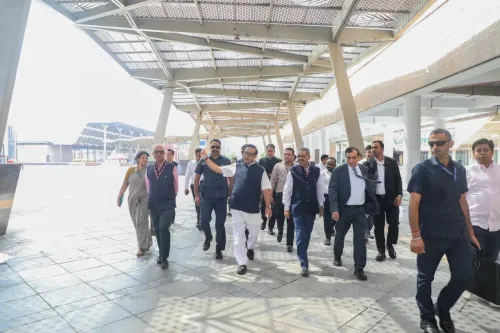
Bharat Mandapam in New Delhi has become a preferred venue for major national cultural and official gatherings. Choosing it for the centenary's closing act carries symbolic weight — it signals that Hazarika's legacy is not merely an Assamese inheritance but a national one. The Assam government's decision to build a public-registration pathway through the portal also broadens access beyond official invitees, inviting cultural enthusiasts and members of the wider Assamese diaspora to participate.
Assam has a consistent pattern of organising national-level observances around the anniversaries of its prominent cultural figures, using such platforms to deepen the state's cultural linkage with the capital. The Hazarika centenary is the most prominent such occasion in recent memory, given his Bharat Ratna status and the cross-regional resonance of songs that many Indians know without necessarily knowing their Assamese origins.
Attendance figures at the 29 November ceremony and any official addresses from state or central leadership will likely define how the centenary year is remembered — and whether the momentum generates follow-on cultural programming.
Point of View
A venue associated with the highest official occasions, reinforces that framing. For CM Himanta Biswa Sarma, the centenary is also a soft-power moment: cultural commemoration that carries political goodwill without electoral friction. How the Centre participates — and what platform it offers the Assam delegation — will be a quiet but telling signal of the state-Centre relationship heading into 2027.
NationPress
7 Nov 2026
Frequently Asked Questions
How can I register for the Bhupen Hazarika birth centenary closing ceremony?
You can register through the dedicated portal at sudhakantha.assam.statedatacenter.in, where you will also receive an e-invitation upon successful registration.
When and where is the Bhupen Hazarika centenary closing ceremony?
The closing ceremony is scheduled for 29 November 2026 at Bharat Mandapam, New Delhi .
Who is Bhupen Hazarika and why is he being celebrated?
Bhupen Hazarika was an Assamese singer, lyricist and filmmaker born on 8 September 1926, posthumously awarded the Bharat Ratna in 2019. His centenary in 2026 marks a hundred years since his birth.
What is 'Sudha Kantha' — the name of the Assam portal?
'Sudha Kantha' means 'melodious voice' in Assamese and was one of Bhupen Hazarika's most beloved popular titles, reflecting the reverence he commands across generations.
Why is the Bhupen Hazarika centenary event being held at Bharat Mandapam?
Bharat Mandapam in New Delhi hosts major national cultural and official events. Its selection signals that the Assam government views Hazarika's legacy as a pan-Indian inheritance, not merely a regional one.