CM Himanta Links Assam's Education Push to Peace
Synopsis
Chief Minister Dr Himanta Biswa Sarma has framed education as Assam's primary instrument for sustaining peace and driving development, reaffirming a post-conflict governance thesis that has long shaped Northeast India policy.
Key Takeaways
CM Dr Himanta Biswa Sarma declared on 19 October 2026 that education is central to building an environment where peace and development coexist in Assam .
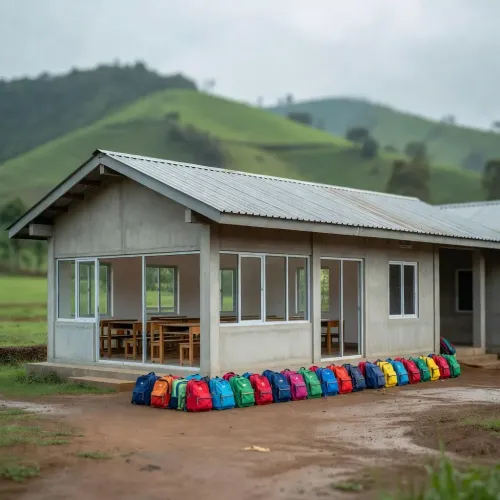
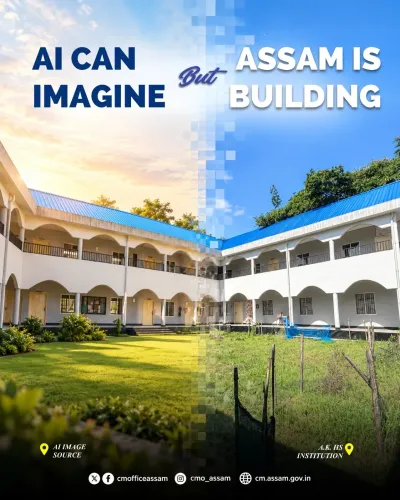
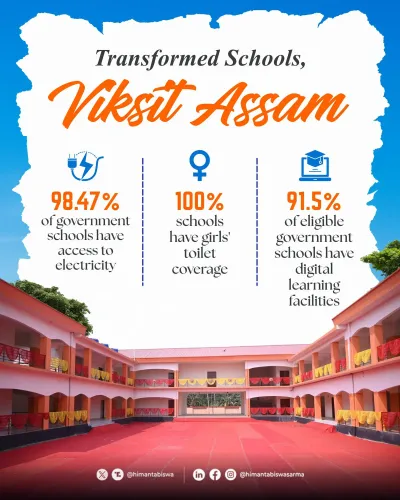
The Sarma government has backed this stance since May 2021 through school infrastructure upgrades and the Gunotsav learning-outcome assessment programme.
Assam has a documented history of ethnic insurgencies; state governments have consistently linked quality education to reducing youth recruitment into armed groups.
The approach mirrors a broader Northeast India governance thesis that human capital investment is a durable complement to peace accords.
Future state budget allocations for education will be the key indicator of whether the commitment moves beyond rhetoric.
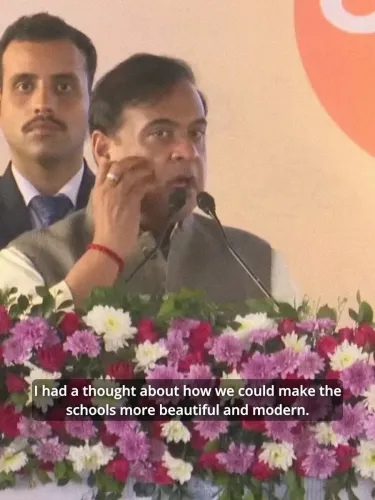
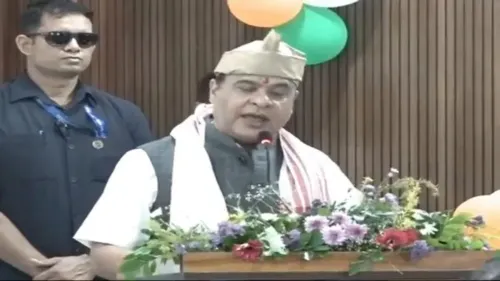
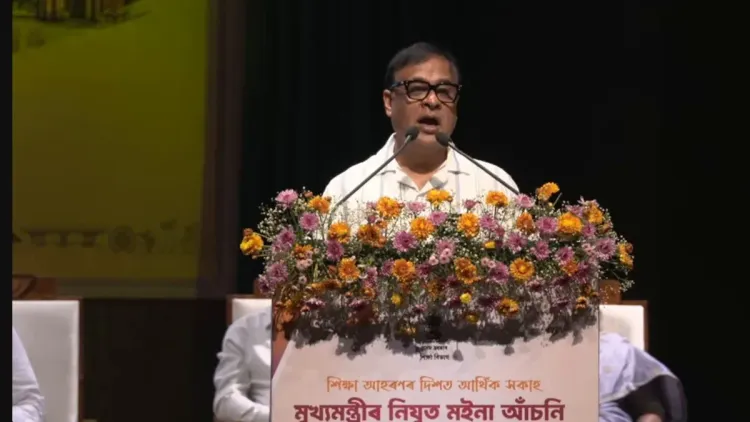
In a state that has lived through decades of insurgency and hard-won peace accords, Chief Minister Dr Himanta Biswa Sarma is making an unambiguous bet: classrooms, not just ceasefire agreements, will secure Assam's future. The Chief Minister's Office of Assam posted his words on Monday, 19 October 2026 — 'Through education, we are striving to create an environment in Assam where peace and development go hand in hand.'
The peace-development equation Sarma is wagering on
The framing is deliberate and historically loaded. Assam has been shaped by a succession of ethnic insurgencies and multiple peace accords — from the Assam Accord of 1985 to Bodo peace processes — each of which generated political settlements but left unfinished the economic integration of restive communities. Successive state governments argued that idle, under-educated youth were the most reliable recruiting pool for armed groups. Education, in that reading, is a security policy as much as a social one. Dr Sarma, who took office in May 2021, moved quickly to operationalise that argument. His administration launched structured school assessment drives — notably the Gunotsav programme — designed to benchmark learning outcomes and force accountability onto a system that had long coasted on enrolment numbers rather than actual attainment. Infrastructure upgrades across government schools followed, with a stated aim of closing the quality gap that pushes families toward private schooling when they can afford it.Why the Northeast frame matters
This is not a standalone Assam story. Across Northeast India, the dominant post-conflict governance thesis holds that human capital investment — education, skilling, connectivity — does more durable peacebuilding work than security deployments alone. Sarma's statement slots into that wider regional logic, and it signals to both domestic constituents and central government interlocutors that he intends to anchor his administration's legacy on that long arc. The practical test, as always, is the budget line. State assembly sessions ahead will reveal whether education's rhetorical pride of place translates into sustained fiscal allocation — or whether the aspiration remains a talking point while funds migrate toward other priorities. Students and youth across Assam's districts, particularly in conflict-affected zones, are the population for whom that gap between promise and rupee most acutely matters. If the classrooms fill, the argument proves itself. If they don't, the speech remains a speech.Point of View
It promises socioeconomic mobility; to New Delhi, it presents Assam as a post-conflict success story in the making. The Gunotsav programme gives this rhetoric an institutional anchor, distinguishing it from purely performative declarations. The real political test arrives at budget time — if education's share of state expenditure grows consistently, the thesis becomes a governance record; if it stagnates, the gap between the CM's platform and his policy choices will become a line of attack for the opposition.
NationPress
19 Oct 2026
Frequently Asked Questions
What did Assam CM Himanta Biswa Sarma say about education and peace?
He stated that through education, his government is striving to create an environment in Assam where peace and development go hand in hand, as posted by the Chief Minister's Office on 19 October 2026.
What is the Gunotsav programme in Assam?
Gunotsav is a school learning-outcome assessment initiative launched under the Sarma government to benchmark student attainment and improve accountability in Assam's government schools.
Why does Assam link education to peace?
Assam has experienced decades of ethnic insurgencies; governments have argued that quality education reduces youth vulnerability to recruitment by armed groups, making it a tool of post-conflict stabilisation.
When did Himanta Biswa Sarma become Chief Minister of Assam?
Dr Himanta Biswa Sarma assumed office as Chief Minister of Assam in May 2021 after the BJP-led alliance won the state assembly elections.
What should we watch for next on Assam's education policy?
The state's upcoming assembly session budget allocations for education will reveal whether the government's rhetorical commitment to education-led development translates into sustained funding.