CM Himanta meets Amit Shah in Delhi, pledges prosperous Assam
Synopsis
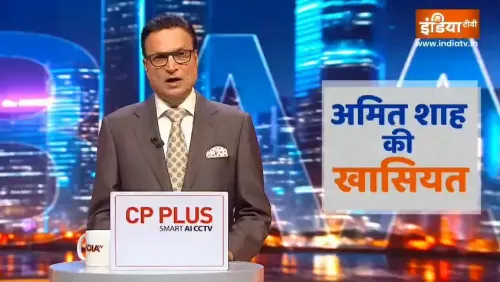
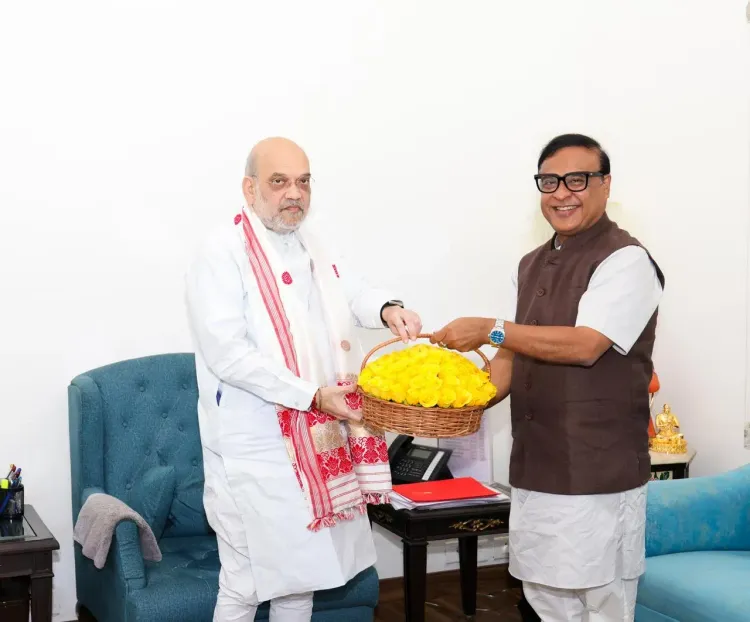
Assam Chief Minister Himanta Biswa Sarma met Union Home Minister Amit Shah in New Delhi on November 19, calling his leadership an inspiration and renewing a public pledge to build a prosperous, self-reliant, and peaceful Assam under PM Modi's vision.
Key Takeaways
CM Himanta Biswa Sarma met Union Home Minister Amit Shah in New Delhi on November 19, 2026 .
Sarma described Shah's contribution to PM Modi's vision as 'invaluable' and 'tireless', calling it an inspiration.
He pledged to make Assam 'prosperous, strong, self-reliant ( aatmanirbhar ), and peaceful.' Sarma also serves as convener of the North East Democratic Alliance (NEDA) , making Centre-state coordination a structural priority.
The BJP has governed Assam since 2016 , with security, peace, and development as the stated pillars of its Northeast strategy.
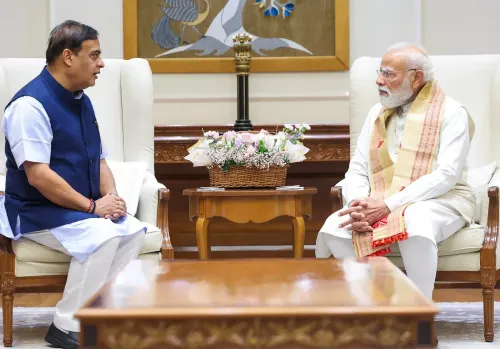
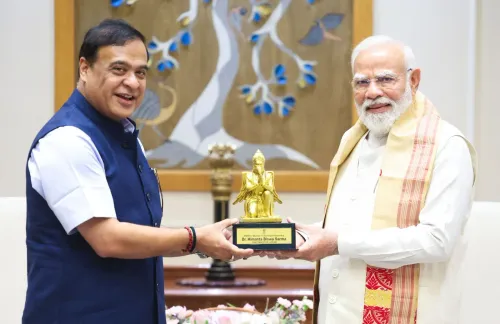
Assam Chief Minister Himanta Biswa Sarma travelled to New Delhi on Thursday, November 19 to seek the guidance of Union Home Minister Amit Shah — a meeting the Chief Minister described as a source of inspiration as Assam presses ahead with its ambitions of self-reliance and lasting peace.
Posting in Hindi on X, CM Sarma wrote: 'Aaj Nayi Dilli mein mananeey Griha Mantri aadarneey Amit Shah ji ka margdarshan prapt karne ka saubhagya mila' — 'Today I had the privilege of receiving the guidance of respected Home Minister Amit Shah ji in New Delhi.' He went on to describe Shah's 'invaluable contribution and tireless effort' in realising Prime Minister Narendra Modi's vision, calling it an inspiration for all. The resolve, he added, is to make Assam 'a prosperous, strong, self-reliant and peaceful state' under Shah's able leadership.
Shah's Northeast brief — and why Delhi meetings matter for Assam
Amit Shah holds the Union Home Ministry portfolio, which makes him the nodal figure for internal security, border management, and Northeast policy at the Centre. For a state like Assam — which shares international borders with Bangladesh and Bhutan and has a complex history of insurgency and ethnic tension — that relationship with North Block carries direct, practical weight.
The BJP has governed Assam since 2016, ending nearly fifteen years of Congress rule and anchoring the state within a broader Northeast strategy. CM Sarma also serves as convener of the North East Democratic Alliance (NEDA), the umbrella platform that has aligned regional parties with the BJP across eight northeastern states since its formation in 2016. Regular consultations with Shah — the architect of much of the party's Northeast outreach — are a structural feature of that alliance, not a one-off.
The 'self-reliant Assam' pledge — and what it signals
The language Sarma deployed — samriddh, sudridh, aatmanirbhar aur shantipurna (prosperous, strong, self-reliant, and peaceful) — mirrors the vocabulary of the Centre's Aatmanirbhar Bharat framework, deliberately stitching state ambition to the national narrative. It is a pattern repeated by BJP chief ministers across the country: public endorsements of central leadership function both as political alignment and as a signal to bureaucracies and investors that state and Centre are singing from the same sheet.
For Assam specifically, 'peaceful' carries more than rhetorical weight. The state has navigated decades of insurgency, the contentious National Register of Citizens (NRC) process, and persistent tensions along its inter-state boundaries. Any forward movement on those fronts requires close coordination with the Home Ministry.
What comes next — specific scheme announcements, fresh peace talks, or infrastructure packages — will tell us how much of Thursday's meeting translated into actionable ground-level change. The language was public and pointed. The agenda, for now, remains in the room.
Point of View
Where state CMs regularly calibrate priorities with the Home Ministry rather than operating independently. For Sarma, the public post serves a dual purpose: reinforcing his alignment with the national leadership and signalling administrative intent to stakeholders within Assam. The 'self-reliant' framing is a deliberate echo of the Centre's Aatmanirbhar Bharat vocabulary, suggesting Assam's development pitch will continue to be framed within national narratives heading into the next electoral cycle. Watch for concrete scheme announcements or security-related decisions as a measure of what the meeting actually produced.
NationPress
19 Nov 2026
Frequently Asked Questions
Why did Assam CM Himanta Biswa Sarma meet Amit Shah in Delhi?
CM Sarma met Union Home Minister Amit Shah in New Delhi on November 19, 2026 to seek his guidance on Assam's development goals, including making the state prosperous, self-reliant, and peaceful.
What did Himanta Biswa Sarma say about Amit Shah after their meeting?
Sarma called Shah's contribution to PM Modi's vision 'invaluable' and praised his 'tireless effort', describing his leadership as an inspiration for everyone working on Assam's progress.
What is NEDA and what is Himanta Biswa Sarma's role in it?
The North East Democratic Alliance (NEDA) is an umbrella platform formed in 2016 to coordinate BJP-aligned regional parties across northeastern states. Himanta Biswa Sarma serves as its convener.
How long has BJP governed Assam?
The BJP has governed Assam since 2016, when it ended nearly fifteen years of Congress rule, with a focus on development, security, and peace.
What does 'self-reliant Assam' mean in Sarma's statement?
The term mirrors the Centre's Aatmanirbhar Bharat framework, signalling that Assam's development strategy is aligned with the national vision of economic self-reliance and reduced dependence on external aid.