CM Rekha Gupta Launches Delhi's First Mental Health Policy for Schools
Synopsis
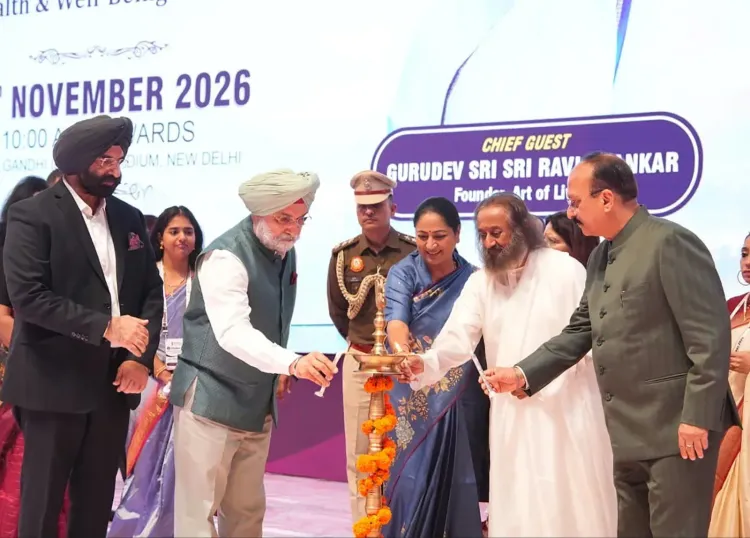
Delhi CM Rekha Gupta launched the city's first Mental Health and Well-being Policy on 19 November 2026, promising dedicated counselling and a round-the-clock helpline for more than 4.5 million school students. Spiritual leader Sri Sri Ravi Shankar attended the launch alongside the Lieutenant Governor and senior cabinet ministers.
Key Takeaways
Delhi CM Rekha Gupta launched the capital's first Mental Health and Well-being Policy on 19 November 2026 .
The policy covers more than 45 lakh (4.5 million) school students in Delhi.
Key deliverables include dedicated counselling , a 24x7 mental health helpline , and structured emotional support.
Spiritual leader Sri Sri Ravi Shankar graced the launch, lending well-being expertise and civil-society credibility to the initiative.
Lieutenant Governor Taranjit Singh Sandhu , Cabinet ministers Ashish Sood and Manjinder Singh Sirsa , and MP Naveen Jindal were also present.
The policy positions academic success alongside mental health as co-equal goals for Delhi's public school system.
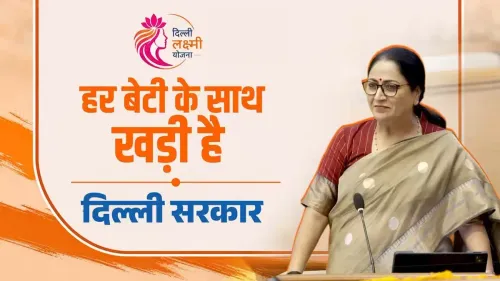
Scores matter — but do they measure a child's courage, calm, or capacity to face life? Delhi Chief Minister Rekha Gupta posed exactly that question on Thursday, 19 November 2026, and answered it with action: the launch of Delhi's first-ever Mental Health and Well-being Policy for school students, covering more than 45 lakh (4.5 million) children across the capital.
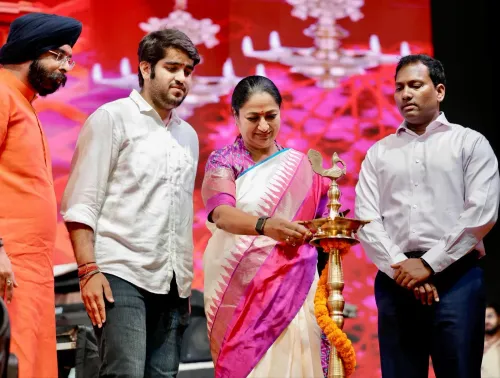
The policy was unveiled in the presence of spiritual leader Gurudev Sri Sri Ravi Shankar, founder of the Art of Living Foundation and one of India's most recognised voices on mental well-being. The event also brought together Lieutenant Governor Taranjit Singh Sandhu, Cabinet ministers Ashish Sood and Manjinder Singh Sirsa, and Member of Parliament Naveen Jindal — a cross-institutional gathering that underscored the seriousness with which Delhi is treating the initiative.
What the Policy Delivers for 45 Lakh Delhi Students
At its core, the policy promises three concrete interventions. First, dedicated counselling for students — not a shared resource stretched across a dozen schools, but focused support. Second, a 24×7 mental health helpline, meaning a child in distress at 2 a.m. before board exams has somewhere to turn. Third, structured emotional support available at the moment of need, not weeks after a referral.
Gupta framed the ambition plainly in her post: 'Hamara lakshya bacchon ko keval pareekshaon ke liye nahin, jeevan ki har chunauti aur har avsar ke liye taiyar karna hai' — 'Our goal is to prepare children not just for examinations, but for every challenge and every opportunity in life.' That framing is a deliberate pivot from the marks-first culture that has defined Indian schooling for decades.
India's Shift Toward School Mental Health — and Why Delhi's Scale Matters
Delhi's move sits inside a broader national pattern. Following the disruptions of the COVID-19 pandemic, Indian states began integrating mental health support into school systems as student anxiety, isolation, and burnout emerged as measurable crises. Several states piloted counselling cells and helplines; India's National Mental Health Policy, adopted in 2014, laid the federal foundation. What makes the Delhi announcement distinctive is sheer scale — 4.5 million students in a single policy sweep — and the institutional backing of a sitting Lieutenant Governor alongside cabinet-level ownership.
The presence of Sri Sri Ravi Shankar is not merely ceremonial. The Art of Living Foundation has run stress-management and mindfulness programmes in schools and colleges across India for years, and his involvement signals that the policy may draw on structured well-being curricula beyond conventional clinical counselling.
The Real Test: Helpline Coverage and Counsellor Deployment
Announcements are easy; delivery is not. The sharpest question now is whether Delhi's school system — which runs thousands of government schools — can staff and sustain a genuinely functional 24×7 helpline and place trained counsellors at scale. Rolling out a mental health infrastructure across a megacity's public school network demands hiring, training, and monitoring pipelines that go well beyond a launch-day ceremony. That rollout timeline and its actual coverage will be the true measure of whether the policy changes classrooms or just headlines.
For now, Delhi has drawn a line: a child's happiness, confidence, and mental resilience are as non-negotiable as their report card. The capital's students — and their parents — will be watching to see it kept.
Point of View
Which has sought to distinguish its education agenda from that of its predecessor by coupling infrastructure investment with student welfare. Anchoring the event around a figure like Sri Sri Ravi Shankar lends the policy visible civil-society credibility and taps into an existing national conversation on holistic education. The 24x7 helpline commitment is the most verifiable deliverable — and therefore the most exposed to accountability — making its actual rollout a litmus test for the administration's execution capacity. If sustained, the policy could position Delhi as a template for urban school mental health governance at scale in India.
NationPress
19 Nov 2026
Frequently Asked Questions
What is Delhi's new Mental Health and Well-being Policy for schools?
It is Delhi's first formal policy dedicating mental health support to school students, covering over 4.5 million children. It includes dedicated counselling services, a 24x7 mental health helpline, and structured emotional support, launched by Chief Minister Rekha Gupta on 19 November 2026.
How many students will benefit from Delhi's mental health policy?
The policy covers more than 45 lakh — that is, 4.5 million — students in Delhi schools.
What is the 24x7 mental health helpline for Delhi students?
It is a round-the-clock helpline announced as part of Delhi's new Mental Health and Well-being Policy, intended to give students access to emotional and psychological support at any hour, including during high-stress periods such as exam season.
Who was present at the launch of Delhi's school mental health policy?
The launch was attended by spiritual leader Sri Sri Ravi Shankar, Lieutenant Governor Taranjit Singh Sandhu, Cabinet ministers Ashish Sood and Manjinder Singh Sirsa, and MP Naveen Jindal, alongside Chief Minister Rekha Gupta.
Why is mental health support important for Delhi school students?
Student stress, anxiety, and burnout have risen sharply across India, particularly following the COVID-19 pandemic. Delhi's policy aims to prepare children not just academically but emotionally — building confidence and resilience for life beyond examinations.