CM Rekha Gupta Pledges Delhi Govt Stands With Every Daughter
Synopsis
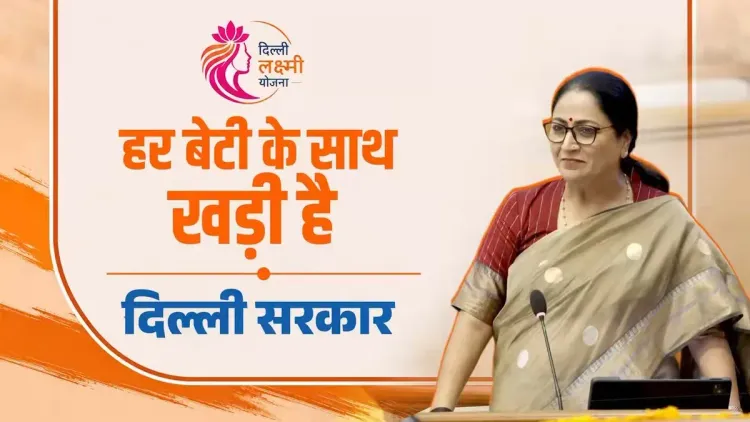
Delhi Chief Minister Rekha Gupta invoked the 'First in My Bloodline' ideal during the Monsoon Session, pledging that the Delhi government stands with every daughter on education, health, dignity, and safety — aligning with the national Beti Bachao Beti Padhao framework.
Key Takeaways
Delhi CM Rekha Gupta made the statement on 10 August 2026 during the ongoing Monsoon Session .
She called on every daughter to aspire to be the 'First in My Bloodline' — the first in her family to complete her education.
Gupta pledged government support across five pillars: dignity, health, safety, education, and dreams .
The statement aligns with the central government's Beti Bachao Beti Padhao scheme, launched in 2015 .
No specific schemes were named in the post; Monsoon Session debates may bring concrete announcements on funding and expansion.
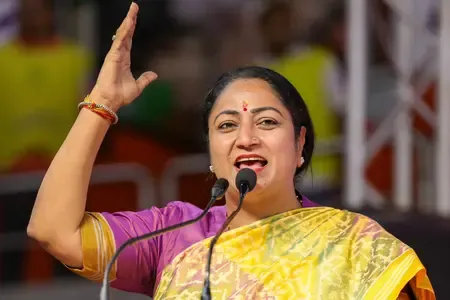
Every girl in Delhi should be able to say, proudly, that she was the 'First in My Bloodline' — the first to finish her degree, the first to build her own future. That is the vision Delhi Chief Minister Rekha Gupta articulated on Monday, 10 August 2026, in a pointed address to the women of Delhi during the ongoing Monsoon Session of the legislature.
Speaking in a mix of Hindi and English, CM Gupta declared that the Delhi government stands with its daughters on every front — 'dignity, health, safety, and dreams' — and that she, as their 'mukhyamantri behen' (Chief Minister sister), would always remain by their side. 'We want every daughter to be empowered, powerful, self-reliant, and able to live her dreams,' she said, invoking a slate of government schemes designed toward that end.
The 'First in My Bloodline' Frame
The phrase 'First in My Bloodline' is the sharpest edge of Gupta's message. It targets first-generation learners — girls from families with no prior history of higher education — and reframes government welfare not as charity but as a generational breakthrough. It is a political and aspirational bet: that the most powerful story a scheme can tell is a daughter completing something no one in her family ever did before her.
While the post does not name the specific schemes being referenced, the framing aligns with the national Beti Bachao Beti Padhao programme, launched by the central government in 2015, which focuses on improving the child sex ratio and expanding girls' access to education and welfare. Delhi-level implementation and any new announcements tied to the Monsoon Session are expected to be watched closely.
Monsoon Session as the Stage
The timing — tagged #MonsoonSession — is deliberate. Legislative sessions are when budget allocations are debated, schemes are expanded or amended, and political commitments get tested against actual funding. By anchoring this statement to the session, Gupta signals that women's welfare is not just a campaign talking point but an active legislative agenda item. Whether specific bills or budget lines follow will be the measure of that signal.
The post also reflects a broader pattern visible across BJP-governed states: framing gender welfare through the language of dignity, self-reliance, and aspiration rather than pure subsidy — a rhetorical shift that has defined the party's women-focused messaging since the mid-2010s.
The question the Monsoon Session will have to answer is simple: which schemes, how much funding, and how many daughters does Delhi's government actually reach?
Point of View
A demographic that cuts across caste and class lines. Anchoring the statement to the Monsoon Session converts a rhetorical commitment into a legislative one, raising the political stakes if no concrete scheme or funding follows. This fits the BJP's broader pattern of wrapping gender welfare in the language of self-reliance rather than dependency — a frame that has proven durable since Beti Bachao Beti Padhao's 2015 launch. The test, as always, is whether the session produces policy with teeth.
NationPress
25 Sept 2026
Frequently Asked Questions
What did Delhi CM Rekha Gupta say about women's empowerment?
On 10 August 2026 , CM Rekha Gupta pledged that the Delhi government stands with every daughter on education, health, dignity, safety, and dreams, urging girls to aspire to be the 'First in My Bloodline' — the first in their family to complete higher education.
What is the 'First in My Bloodline' phrase Rekha Gupta used?
'First in My Bloodline' refers to being the first person in one's family lineage to finish a degree or achieve a major educational milestone. CM Gupta used it to frame Delhi's girl-child schemes as tools for generational change.
Which schemes did Rekha Gupta mention for Delhi's daughters?
CM Gupta referenced multiple schemes without naming them specifically. Her statement aligns with the national Beti Bachao Beti Padhao programme launched in 2015 , which promotes girls' education, welfare, and child sex ratio improvement.
What is the Delhi Monsoon Session 2026?
The Monsoon Session is a sitting of the Delhi legislature during the monsoon period, during which budgets, schemes, and policy amendments are debated. CM Gupta tagged her statement to the session, signalling women's welfare as an active legislative priority.
What is Beti Bachao Beti Padhao and how does it relate to Delhi?
Beti Bachao Beti Padhao is a central government scheme launched in 2015 to improve the child sex ratio and expand girls' access to education and welfare. Delhi's BJP government, under CM Gupta, frames its own women-focused initiatives in line with this national programme.