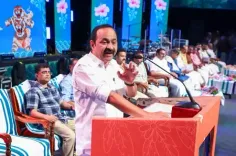
CM Rekha Gupta Reaffirms Delhi Lakshmi Yojana Pledge to Women

Synopsis
Delhi Chief Minister Rekha Gupta on 7 August 2026 reaffirmed her government's commitment to the Delhi Lakshmi Yojana at an Assembly complex gathering, pledging continued focus on women's honour, safety, and empowerment under PM Modi's leadership.
Key Takeaways
CM Rekha Gupta addressed women at the Delhi Assembly complex on 7 August 2026 , declaring the government had kept its promise to Delhi's women.
The Delhi Lakshmi Yojana was cited as the primary welfare vehicle for women's empowerment, safety, and honour in the capital.
PM Narendra Modi 's leadership was explicitly invoked, linking the state scheme to the broader 'Viksit Bharat' national framework.
The announcement continues a pattern of BJP -led governments tying women-targeted welfare schemes to electoral and governance commitments.
Specific eligibility criteria, funding details, and disbursement timelines for the scheme are yet to be formally announced.
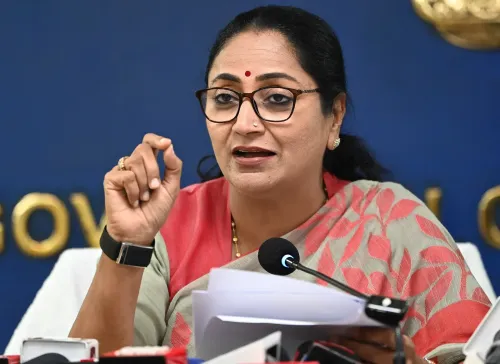
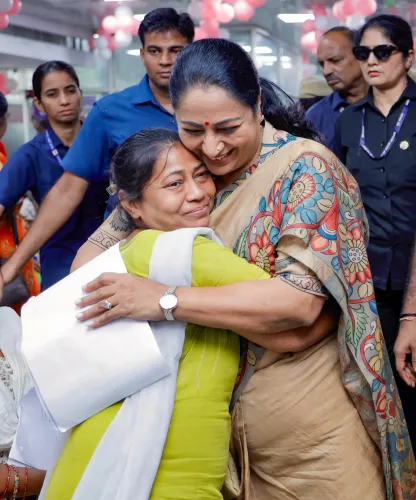
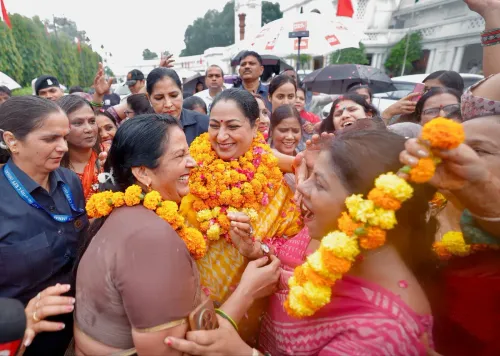
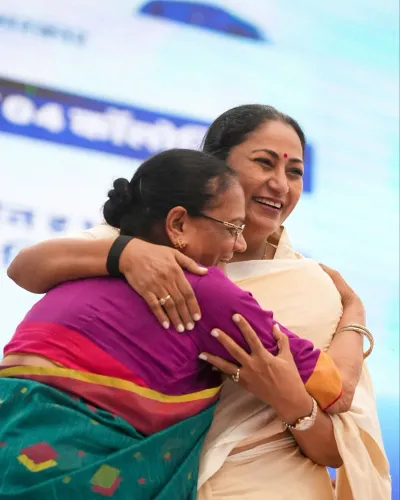
A promise made, a promise kept — that was the message Delhi Chief Minister Rekha Gupta delivered on Friday, 7 August 2026, as women gathered at the Delhi Assembly complex to mark the government's welfare commitment. Standing before them, she invoked the Delhi Lakshmi Yojana as proof that her government's word to the women of the capital is not political theatre.
Speaking in Hindi, CM Gupta declared: 'Dilli ki behnen khush hain. Unki sarkar ne unse kiya waada nibhaya hai' — 'Delhi's sisters are happy. Their government has kept the promise it made to them.' She assured every woman in Delhi — not just those present at the Assembly — that this government, under the leadership of Prime Minister Narendra Modi, remains 'always committed to their honour, safety, and empowerment.'
What the Delhi Lakshmi Yojana Promises Women
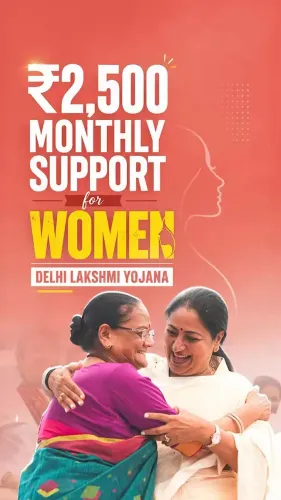
The Delhi Lakshmi Yojana sits at the centre of this pledge — a welfare scheme framed around direct benefit and economic upliftment for women in the capital. CM Gupta positioned it as the flagship vehicle through which the government intends to deliver on its commitments, though specific disbursement timelines and full eligibility criteria are yet to be formally detailed in the public record.
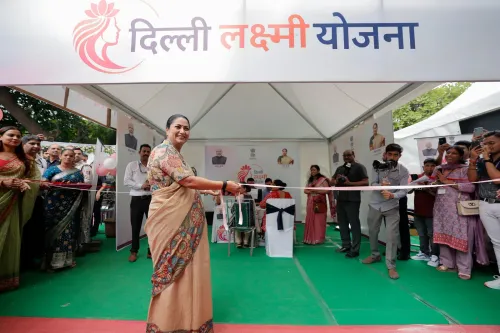
The scheme fits a broader pattern: BJP-led governments at both state and central levels have increasingly anchored their women-outreach narrative around cash-transfer and welfare programmes, linking them explicitly to PM Modi's 'Viksit Bharat' vision. The Assembly gathering on 7 August was itself a staging of that commitment — a visual and political signal that the government is moving from promise to delivery.
From Beti Bachao to Delhi Lakshmi: A Decade-Long Thread
The ideological lineage runs back to 2015, when the central government launched Beti Bachao Beti Padhao to address gender discrimination and promote girls' education and safety. The Delhi Lakshmi Yojana extends that thread at the state level, adding an economic empowerment dimension to what began as a social-awareness push.
The hashtags #ViksitDelhi and #SashaktNaariSamriddhDelhi — 'Empowered Women, Prosperous Delhi' — that accompanied the post signal the government's intent to weave this scheme into a larger, electorally resonant narrative of women-led development in the capital.
The next test will come in the Delhi Assembly itself — where details on scheme eligibility, budget provisions, and disbursement schedules will determine whether this moment of celebration translates into lasting policy ground.
Point of View
Tying a state-level scheme directly to PM Modi's national brand. By staging the announcement at the Assembly complex with women physically present, the event doubles as both a policy signal and a political performance. The explicit linkage to 'Viksit Bharat' framing suggests Delhi's BJP leadership is positioning women's welfare as a pillar of its governance identity, not a one-off gesture. The real test — scheme details, budget allocations, and actual disbursements — will determine how durable that identity proves.
NationPress
21 Sept 2026
Frequently Asked Questions
What is the Delhi Lakshmi Yojana?
The Delhi Lakshmi Yojana is a women's welfare scheme announced by the BJP-led Delhi government, aimed at the economic empowerment, safety, and honour of women in the capital. Specific eligibility criteria and disbursement details are yet to be formally published.
What did CM Rekha Gupta say about Delhi's women on 7 August 2026?
CM Rekha Gupta said 'Delhi's sisters are happy — their government has kept the promise it made to them,' reaffirming the government's commitment to women's empowerment through the Delhi Lakshmi Yojana at an Assembly complex event.
How does the Delhi Lakshmi Yojana connect to PM Modi's schemes?
CM Gupta explicitly framed the Delhi Lakshmi Yojana as part of PM Narendra Modi's broader vision, linking it to the 'Viksit Bharat' national development framework and the central government's decade-long Beti Bachao Beti Padhao initiative.
What is the meaning of the hashtag SashaktNaariSamriddhDelhi?
'SashaktNaariSamriddhDelhi' translates to 'Empowered Women, Prosperous Delhi' — a slogan used by the Delhi BJP government to frame its women-welfare agenda as central to the capital's overall development.
When was Beti Bachao Beti Padhao launched and how does it relate to Delhi's scheme?
Beti Bachao Beti Padhao was launched by the central government in 2015 to address gender discrimination and promote girls' education and safety. The Delhi Lakshmi Yojana extends this lineage at the state level, adding an economic empowerment dimension.