CM Rekha Gupta Ties Delhi Youth to Sanatan Culture
Synopsis
Delhi Chief Minister Rekha Gupta opened with a Gujarati greeting and framed Delhi's youth as devoted to Sanatan traditions, pointedly dismissing opposition 'Regime Change' messaging in a culturally charged social-media post on 16 October 2026.
Key Takeaways
Delhi CM Rekha Gupta posted on 16 October 2026 greeting the capital with 'Kem Cho, Delhi!' , a Gujarati phrase meaning 'How are you, Delhi?' She contrasted opponents she said are 'obsessed with Regime Change' against Delhi's youth whom she depicted as embracing Sanatan traditions .
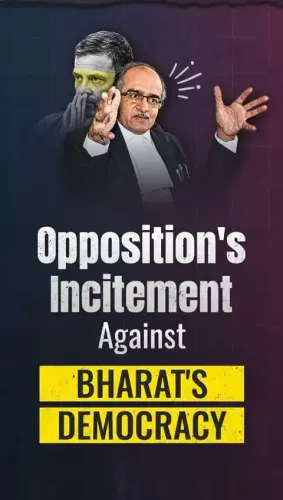
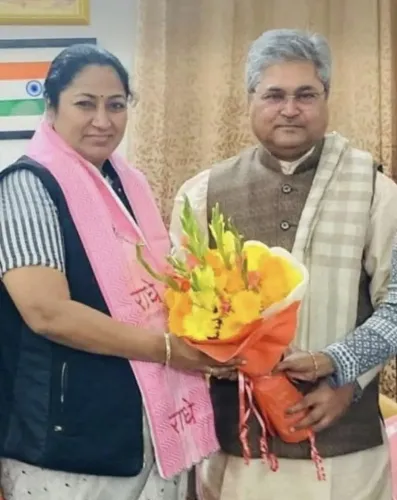
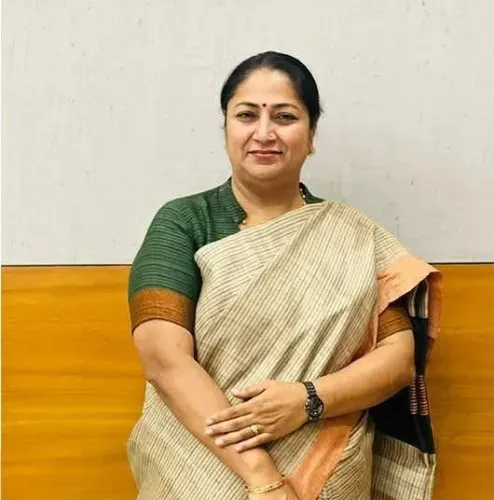
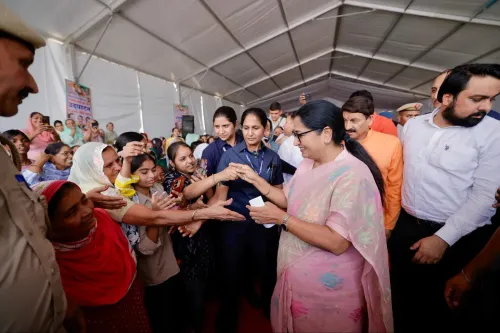
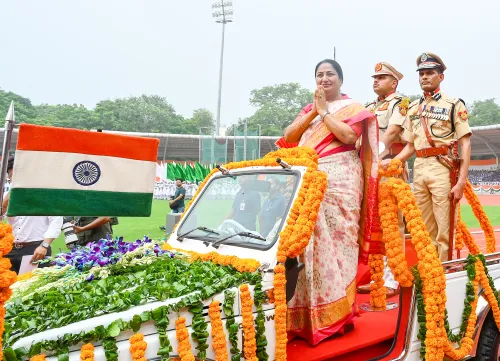
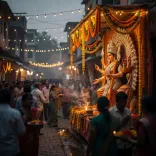
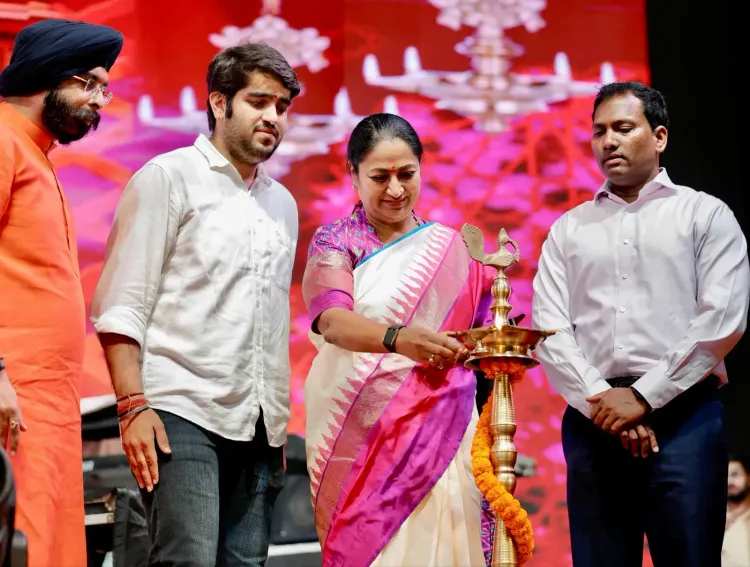
The post was accompanied by four images , suggesting it was tied to a specific cultural event or festivity. 'Regime Change' has been a recurring opposition slogan in Delhi aimed at dislodging the BJP state government.
BJP leaders across India have increasingly used Sanatan Dharma references as a mainstream governance and cultural identity frame.
While Delhi's political arena never truly goes quiet, Delhi Chief Minister Rekha Gupta stepped into the weekend with a message that was part cultural salute, part political jab — greeting the capital in Gujarati and pointing its young generation toward the enduring pull of Sanatan traditions.
Writing on Friday, 16 October 2026, Gupta opened with a warm 'Kem Cho, Delhi!' — the classic Gujarati greeting meaning 'How are you, Delhi?' — before drawing a sharp contrast between what she called an opposition fixated on 'Regime Change' and a youth she portrayed as joyfully rooted in timeless cultural practice.
'Regime Change' — the political barb beneath the cultural warmth
The phrase 'Regime Change' is not incidental. It has circulated as a rallying cry among opposition voices in Delhi, capturing the desire to unseat the BJP government at the state level after the party's landmark return to power in the capital. By invoking it dismissively, Gupta repositions that political ambition as a distraction — something a fringe is 'obsessed' with — while casting Delhi's youth as the real story.
The rhetorical move is a familiar one in BJP's social-media playbook: anchor the party's image in cultural continuity and youth energy, and let opposition messaging appear reactive and out of step. The Gujarati opener adds a layer of civilisational warmth, nodding simultaneously to the PM's home-state idiom and to Delhi's large Gujarati-origin community.
Sanatan traditions as political identity — a recurring BJP frame
Across India, BJP leaders have increasingly woven references to Sanatan Dharma — the ancient, practice-based Hindu philosophical tradition — into mainstream governance messaging. For a Chief Minister presiding over the national capital territory, linking youth participation in cultural festivities to that tradition serves a dual purpose: it celebrates heritage and it signals ideological continuity with the party's larger civilisational narrative.
The post came with four images, suggesting it accompanied a specific event or festival — a visual grounding that amplifies the 'dancing to the rhythm' metaphor Gupta deployed. Delhi's October calendar is typically rich with festivities, adding immediate texture to the claim.
Whether the opposition responds to the 'Regime Change' taunt or lets the cultural framing go unanswered will say as much about the current temperature of Delhi politics as the post itself does.
Point of View
With youth as the protagonists. By invoking 'Regime Change' only to dismiss it, she grants it visibility while simultaneously delegitimising it as obsessive minority noise. The Gujarati opener broadens the appeal beyond a Hindu cultural register to include a significant diaspora community in Delhi. If opposition parties respond, they risk amplifying her framing; if they stay silent, the cultural narrative runs uncontested in the digital space.
NationPress
17 Oct 2026
Frequently Asked Questions
What did Delhi CM Rekha Gupta mean by 'Kem Cho, Delhi'?
'Kem Cho' is a Gujarati greeting meaning 'How are you?' Gupta used it to address the people of Delhi warmly, nodding to the Gujarati-speaking community in the capital.
What is 'Regime Change' in Delhi politics?
'Regime Change' refers to the opposition's stated goal of removing the BJP government from power in Delhi. Gupta referenced it dismissively in her post.
What are Sanatan traditions that CM Gupta referenced?
Sanatan traditions refer to practices rooted in Sanatan Dharma, the ancient Hindu philosophical and cultural framework that encompasses festivals, rituals, and classical arts. Gupta invoked them to celebrate Delhi youth's cultural participation.
Why is BJP linking youth to Sanatan culture in Delhi?
BJP leaders have consistently used Sanatan Dharma references to build a cultural identity narrative, positioning the party as a guardian of heritage — particularly in state-level contests where youth vote share is decisive.