CM Himanta visits Golaghat, assures flood-hit families of full state support
Synopsis
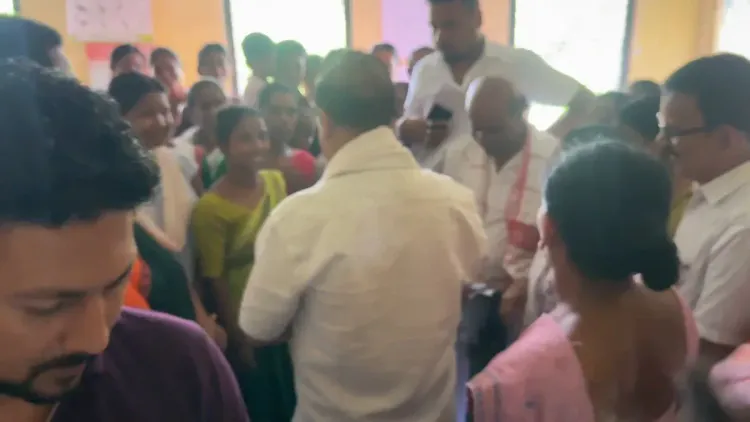
Chief Minister Himanta Biswa Sarma visited Golaghat on July 23, 2026, to meet flood-affected families and assure them of the Assam government's full support. The visit comes as relief and rehabilitation operations continue in the Brahmaputra-basin district during the active monsoon season.
Key Takeaways
Himanta Biswa Sarma visited Golaghat district on July 23, 2026 to interact with flood-affected families.
The Chief Minister's Office confirmed the government's assurance of 'full support' for ongoing relief and rehabilitation efforts.
Golaghat , located in eastern Assam along the Brahmaputra basin, is among the state's most flood-vulnerable districts.
The field visit reflects the Sarma administration's practice of direct CM-level engagement with affected communities during monsoon crises.
Relief and rehabilitation operations are ongoing, with compensation disbursement and infrastructure restoration the next key milestones.
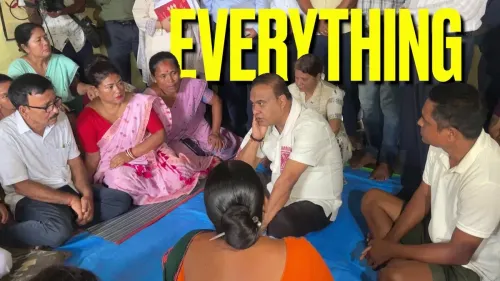
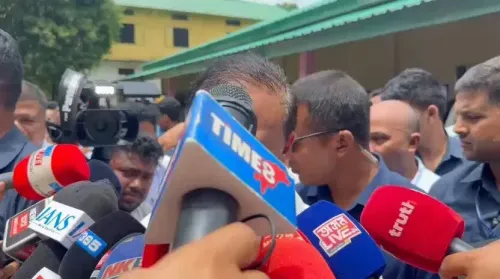
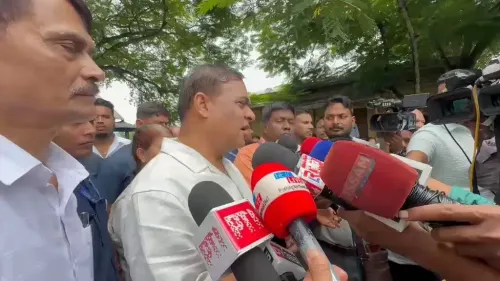
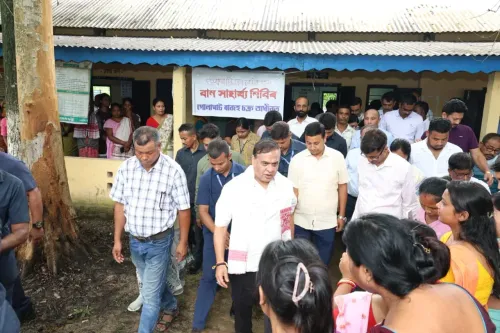
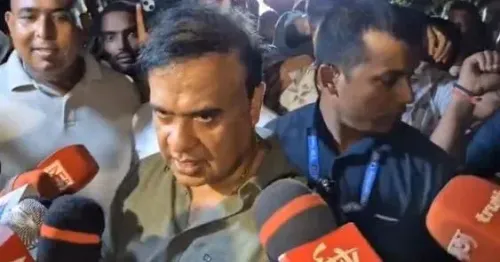
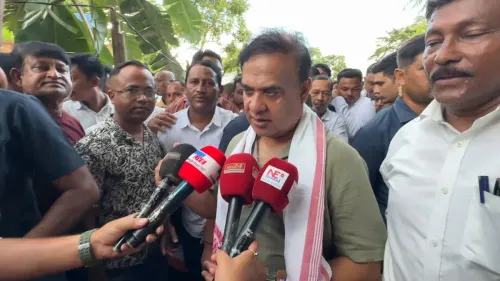
The Chief Minister's Office of Assam announced on Thursday, July 23, 2026, that Chief Minister Dr. Himanta Biswa Sarma visited Golaghat district to meet flood-affected families, pledging the government's full support as relief and rehabilitation operations remain ongoing.
Context
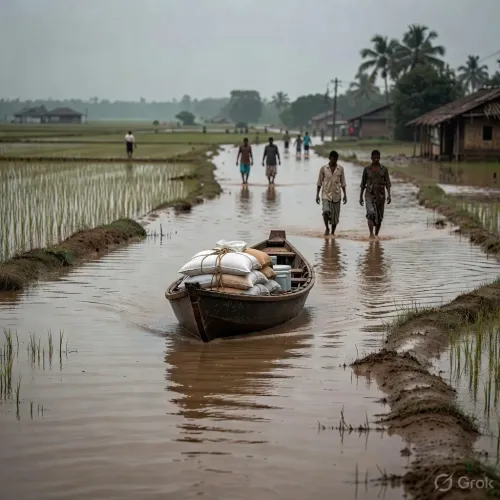
Golaghat, situated in eastern Assam along the Brahmaputra river basin, is among the districts most exposed to monsoon flooding each year. Inundation from the Brahmaputra and its tributaries routinely displaces communities, damages agricultural land, and disrupts livelihoods across the region. The Chief Minister's field visit signals the state government's direct engagement with affected residents during the active monsoon period.
The CMO stated that Dr. Sarma 'interacted with flood-affected families in Golaghat, assuring them of the government's full support as relief and rehabilitation efforts continue.' The visit places the administration's response at the ground level rather than limiting it to administrative directives from Dispur.
Policy Backdrop
Assam has managed annual flood crises for decades, with successive state governments deploying relief camps, food distribution, and emergency medical services during the monsoon months. Longer-term responses have included embankment maintenance and drainage improvement works along the Brahmaputra and its tributaries, though the scale of flooding has continued to test state capacity year after year.
Since taking office in May 2021, Chief Minister Himanta Biswa Sarma has overseen multiple monsoon seasons marked by significant flooding, each requiring coordinated relief operations across several districts simultaneously. Field visits by the Chief Minister to affected areas have been a recurring feature of the administration's public communication during flood events.
Stakeholders and Impact
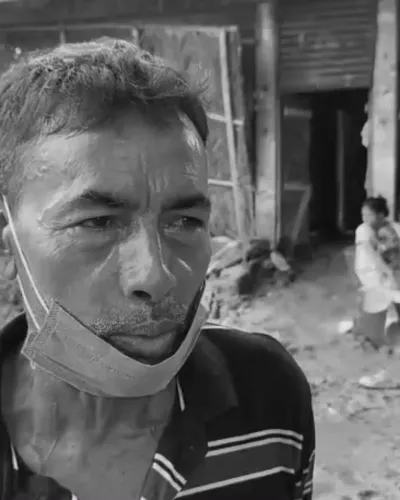
Flood-affected families in Golaghat are the immediate stakeholders, with their access to timely relief — including food, shelter, and compensation — directly dependent on the pace of state-level coordination. Agricultural communities in the district face additional losses to standing crops and livestock, compounding the humanitarian dimension of the crisis.
District administration officials, State Disaster Response Force personnel, and local elected representatives are key actors in translating the Chief Minister's assurances into on-ground delivery. The broader population of eastern Assam watches the Golaghat response as a signal of how rehabilitation will proceed in similarly affected districts.
What's Next
Attention will now turn to the timelines for compensation disbursement and the restoration of damaged infrastructure in Golaghat. The state government is expected to conduct district-level reviews of flood preparedness and relief adequacy as the monsoon season progresses. Any formal announcement of enhanced relief packages or rehabilitation schemes for the current season will be closely tracked by affected communities and civil society groups across Assam.
Point of View
Given the Brahmaputra's annual inundation cycle. By appearing in affected areas directly, the Chief Minister attempts to demonstrate accountability while also accelerating local bureaucratic response. The broader policy question — whether short-term relief visits translate into durable rehabilitation and flood-mitigation investment — remains the metric by which the administration's disaster governance will ultimately be judged.
NationPress
21 Oct 2026
Frequently Asked Questions
Why did CM Himanta Biswa Sarma visit Golaghat?
CM Himanta Biswa Sarma visited Golaghat on July 23, 2026, to meet flood-affected families and assure them of the Assam government's full support for ongoing relief and rehabilitation efforts.
Which district in Assam was affected by floods in July 2026?
Golaghat district in eastern Assam was among the areas affected by flooding, prompting a visit by Chief Minister Himanta Biswa Sarma to assess the situation and meet affected families.
How does Assam handle flood relief every year?
Assam deploys state disaster response teams, relief camps, food distribution, and emergency services each monsoon season, with the Chief Minister and district administration coordinating rehabilitation efforts across Brahmaputra-basin districts.
Is Golaghat prone to flooding?
Yes, Golaghat is located in eastern Assam along the Brahmaputra river basin and is regularly impacted by monsoon flooding and riverbank erosion every year.
What relief measures are being provided to flood victims in Assam?
The state government has assured full support to flood-affected families, with relief and rehabilitation efforts ongoing; specific compensation and restoration timelines are expected to be announced as operations progress.