CM Himanta Biswa Sarma Meets Assam Small Newspapers Association
Synopsis
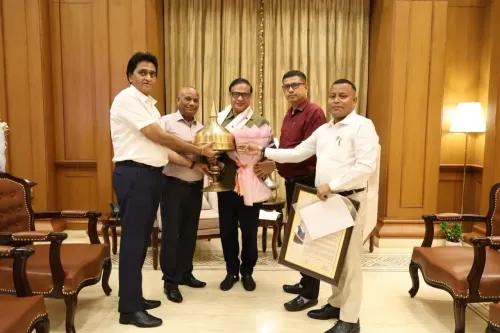
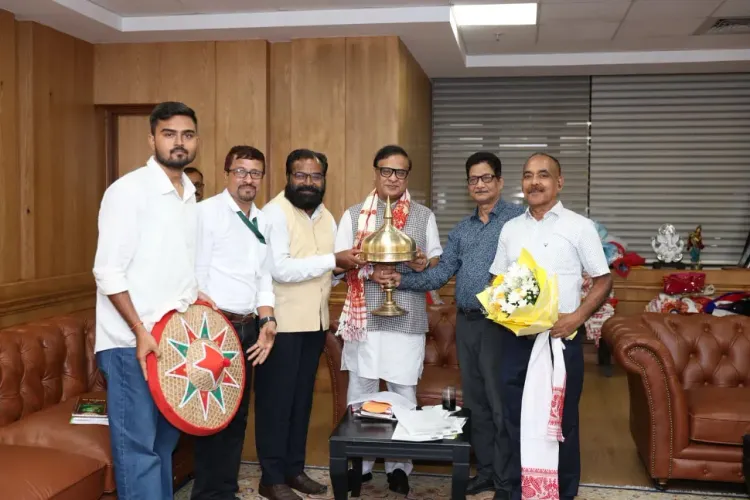
Chief Minister Dr. Himanta Biswa Sarma received a delegation from the Assam Small Newspapers Association, led by Brinchi Kumar Sarma, at his office on 23 June 2026. The meeting underscores the state government's continued engagement with regional print media stakeholders.
Key Takeaways
Representatives of the Assam Small Newspapers Association met CM Dr.
Himanta Biswa Sarma on 23 June 2026 .
The delegation was led by Shri Brinchi Kumar Sarma .
The meeting was confirmed by the Chief Minister's Office of Assam via an official post on X.
No specific agenda or outcomes were disclosed in the official communication.
Small newspapers in Assam depend significantly on government advertisement revenue for financial viability.
Any policy follow-up on advertisement allocation or media support may emerge in upcoming cabinet meetings or the next state budget cycle.
The Chief Minister's Office of Assam announced on Tuesday, 23 June 2026 that representatives of the Assam Small Newspapers Association, led by Shri Brinchi Kumar Sarma, called upon Chief Minister Dr. Himanta Biswa Sarma at his office in Dispur.
Context
The delegation, headed by Brinchi Kumar Sarma, represented small and regional print publications from across Assam. The CMO's post confirmed the meeting took place but did not detail the agenda or outcomes. Such courtesy calls between media associations and the Chief Minister are a part of routine administrative engagement in the state.
Policy Backdrop
Assam governments have periodically engaged with media bodies, particularly on issues of government advertisement allocation, financial viability of small papers, and broader state-media relations. The Assam Small Newspapers Association represents a segment of the regional press that is heavily reliant on government advertising revenue to sustain operations. The current administration under Dr. Himanta Biswa Sarma, who has led the BJP-led state government since May 2021, has continued outreach to stakeholder groups across sectors as part of its administrative calendar.
Small and regional newspapers in Assam, many of which publish in Assamese and other local languages, play a significant role in information dissemination at the grassroots level. Their financial health is closely tied to state and central government advertisement policies, making periodic engagement with the Chief Minister's office a matter of practical importance for the sector.
Stakeholders and Impact
The primary stakeholders in this engagement are the owners, editors, and journalists associated with small newspapers across Assam's districts. These publications often serve communities in areas where large media organisations have limited reach, making them critical to local democratic discourse. Any policy decisions emerging from such meetings — whether on advertisement rates, digital transition support, or accreditation norms — would directly affect hundreds of journalists and media workers in the state.
Regional journalists and press associations have long sought greater transparency and equity in the distribution of government advertisements, which remain a lifeline for smaller publications competing in an increasingly digital media environment.
What's Next
The specific outcomes of this meeting have not been disclosed by the Chief Minister's Office. Observers will watch for any follow-up announcements on advertisement policies or support measures for small newspapers in upcoming state cabinet meetings or during the next budget cycle. The engagement signals that the concerns of the regional print media community remain on the government's radar, even as the broader media landscape continues its structural shift toward digital platforms.
Point of View
Including the regional media. For small newspapers, such access to the top executive is consequential — advertisement policy decisions made at this level can determine the survival of dozens of publications. While the meeting appears routine on the surface, it arrives at a time when regional print media across India faces existential pressure from digital disruption and shrinking ad revenues, giving the engagement an undercurrent of urgency that goes beyond a courtesy call.
NationPress
22 Sept 2026
Frequently Asked Questions
Who is Brinchi Kumar Sarma?
Brinchi Kumar Sarma is the leader who headed the Assam Small Newspapers Association delegation that called upon Chief Minister Dr. Himanta Biswa Sarma on 23 June 2026.
What is the Assam Small Newspapers Association?
The Assam Small Newspapers Association is a body representing small and regional print publications across Assam, which engages with the state government on issues such as advertisement allocation and media viability.
Why do small newspapers in Assam meet the Chief Minister?
Small newspapers in Assam rely heavily on government advertisement revenue, so meetings with the Chief Minister are important for discussing policies on advertisement allocation, accreditation, and financial support for the regional press.
What did Himanta Biswa Sarma discuss with the newspaper association?
The specific agenda and outcomes of the meeting were not disclosed by the Chief Minister's Office. The official post confirmed the meeting took place but provided no further details.
When did Himanta Biswa Sarma become Chief Minister of Assam?
Dr. Himanta Biswa Sarma became Chief Minister of Assam in May 2021 , leading the BJP-led state government after switching from the Congress party in 2016.