CM Himanta Orders Emergency Silt Clearance After Assam Floods

Synopsis
Assam CM Himanta Biswa Sarma visited flood-affected areas on August 6, 2026, and ordered officials to urgently clear post-flood silt from homes and agricultural fields, addressing the often-overlooked second wave of damage after monsoon flooding.
Key Takeaways
Assam CM Himanta Biswa Sarma conducted a field visit to flood-affected areas on August 6, 2026 .
He issued direct instructions to officials to clear sticky post-flood silt from homes and fields at the earliest.
Silt deposition is a recurring secondary disaster in Assam following annual Brahmaputra river flooding .
The primary affected groups are flood-hit residents and farmers who face both property damage and crop loss.
State-level flood response operates under the National Disaster Management Authority framework established in 2005 .
Progress on silt clearance timelines and any follow-up relief packages remain the key developments to watch.
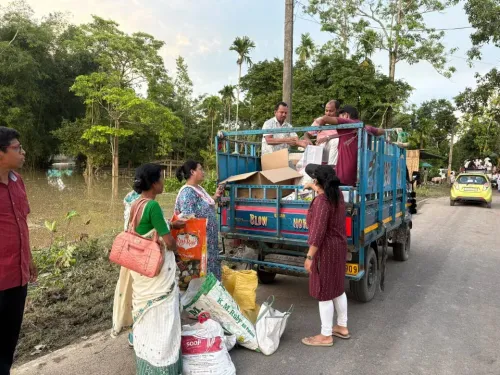
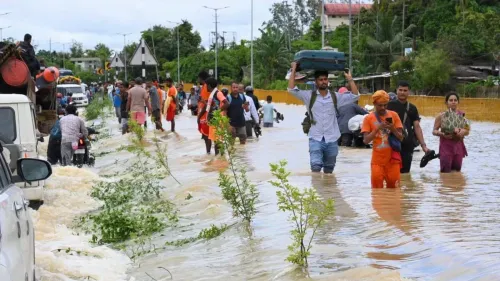
Sticky, suffocating silt — left behind after floodwaters recede — is now the next battle for thousands of Assam families. Assam Chief Minister Himanta Biswa Sarma on Thursday, August 6, 2026, visited flood-affected areas across the state and issued direct instructions to officials to clear post-flood silt from homes and agricultural fields at the earliest.
Silt: the silent second disaster
When Assam's floods drain away, they leave something behind — a thick, adhesive layer of silt that coats everything it touches. Homes become uninhabitable. Fields turn barren. The cleanup is backbreaking and expensive, and for subsistence farmers already battered by crop loss, it can be the blow that breaks the season entirely. CM Sarma's field visit put official weight behind the urgency of this phase of disaster response.
Posting on X with the hashtag #AssamFloodResponse, Sarma wrote: 'Along with flood waters, there has been a tremendous amount of sticky silt across people's homes, fields and the entire affected areas. Today, while visiting these areas, I instructed officials to clean up this silt at the earliest and reduce people's woes.'
Assam's annual flood cycle and the silt burden
The Brahmaputra river and its tributaries make Assam one of India's most flood-prone states — a reality that returns with brutal reliability every monsoon season. Successive state governments have issued post-flood cleanup directives for decades, operating within the framework of the National Disaster Management Authority, established in 2005, which guides state-level relief and rehabilitation operations. The silt problem is not new; what changes each year is the scale and the speed of the government's response.
The primary victims are flood-affected residents and farmers, many of whom face dual losses — damaged property and destroyed standing crops — with silt-choked land adding weeks or months to their recovery timeline.
What officials have been told to do
Sarma's on-ground visit signals an intent to move beyond relief distribution toward active physical rehabilitation of affected areas. The Chief Minister's direct instruction to officials is a push to accelerate a cleanup phase that often lags behind the more visible work of rescue and relief. Whether the state follows up with a structured timeline, machinery deployment, or central assistance requests will determine how quickly affected communities can return to normal.
With the monsoon season still active, the window for effective silt clearance before the next wave of flooding is narrow. The clock is already running.
Point of View
While visibly positioning the BJP government as hands-on during an active crisis. Silt clearance rarely generates headlines, but its failure is felt deeply by farmers and rural communities who vote in large numbers. The move fits a broader pattern of Sarma using high-visibility field visits to project governance energy in Assam, particularly on issues — like flood management — where the state's vulnerability is structural and no single government can claim to have solved it.
NationPress
6 Aug 2026
Frequently Asked Questions
Why is silt a major problem after Assam floods?
Post-flood silt is a thick, sticky layer deposited by receding floodwaters that makes homes uninhabitable and renders agricultural land unfit for cultivation, often for weeks. It compounds the damage already caused by the floods themselves, particularly for subsistence farmers.
What did Assam CM Himanta Biswa Sarma say about the flood situation?
On August 6, 2026, CM Sarma stated that along with floodwaters, a tremendous amount of sticky silt had spread across homes, fields, and affected areas, and he instructed officials to clean it up at the earliest to reduce people's hardship.
How often does Assam face major flooding?
Assam faces severe annual flooding during the monsoon season due to the Brahmaputra river and its tributaries. The state is one of India's most flood-prone regions, with silt deposition being a recurring secondary problem every year.
What is the National Disaster Management Authority's role in Assam flood relief?
The National Disaster Management Authority, established in 2005, provides the national framework that guides state-level flood relief, cleanup, and rehabilitation operations in Assam and across India.
What should we watch for next in Assam's flood response?
Key developments to follow include official timelines for silt clearance, deployment of machinery and personnel, and any announcements on relief packages or requests for central government assistance for the current flood season.