Shekhawat: India's FTAs to open global doors for Rajasthan crafts
Synopsis
Union Minister Gajendra Singh Shekhawat says India's bilateral free trade agreements under PM Modi will give Rajasthan's traditional products a new global identity, sharing a video outlining state-specific export benefits. The claim links central trade policy to ground-level opportunities for artisans and craft exporters.
Key Takeaways
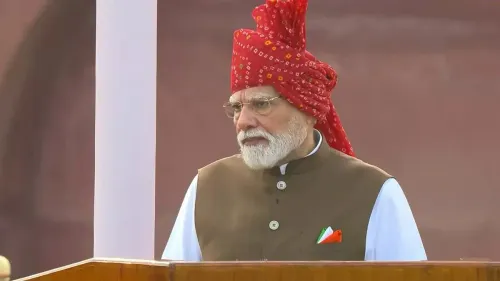
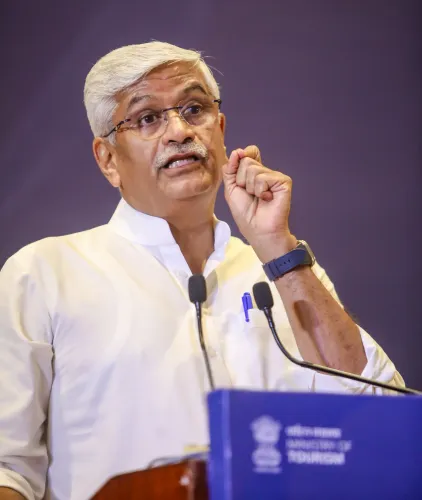
Gajendra Singh Shekhawat , Union Minister of Culture and Tourism and Jodhpur MP, posted on 6 August 2026 that Rajasthan's traditional products will gain global market access through India's FTAs.
India signed the UAE Comprehensive Economic Partnership Agreement in 2022 and the India-Australia Economic Cooperation and Trade Agreement , which entered into force in December 2022 .
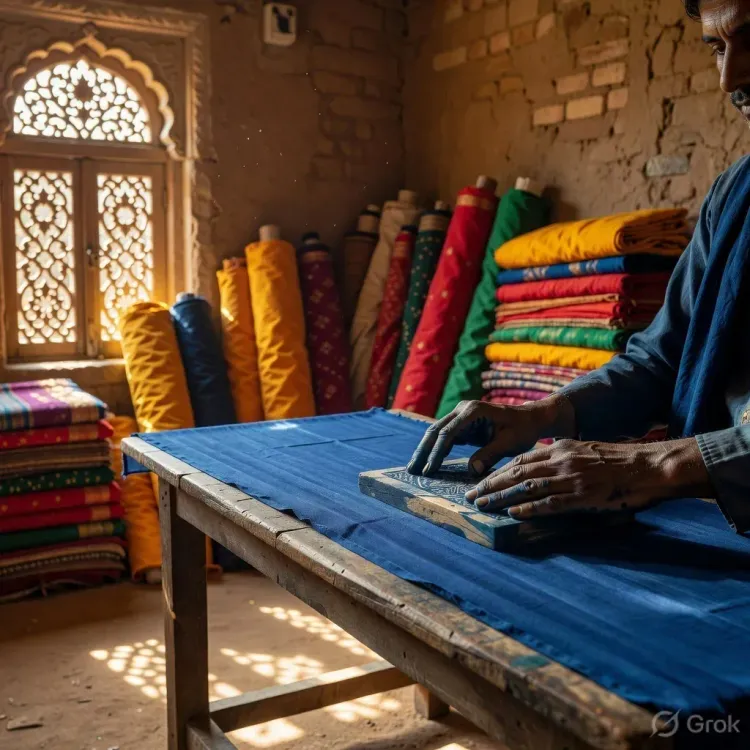
Rajasthan's artisan economy — spanning blue pottery, block-print textiles, leather goods, and gemstone jewellery — stands to benefit from reduced tariff barriers in partner markets.
Shekhawat attached a video detailing Rajasthan-specific FTA benefits, signalling a targeted outreach to state-level exporters and craft clusters.
The broader pattern sees India using bilateral FTAs to diversify trade partners and amplify the global reach of region-specific goods.
India's landmark free trade agreements are about to mean something very concrete for the artisans of Rajasthan — and Union Culture and Tourism Minister Gajendra Singh Shekhawat wants the state to know it. In a post on X on Thursday, 6 August 2026, Shekhawat declared that traditional products from Rajasthan are set to gain a new identity in global markets, crediting the FTAs negotiated under Prime Minister Narendra Modi's leadership as the engine behind fresh export opportunities for the state.
Posting in Hindi, Shekhawat wrote: 'राजस्थान के पारंपरिक उत्पादों को वैश्विक बाजार में नई पहचान मिलेगी' — 'Rajasthan's traditional products will gain a new identity in global markets' — and directed followers to an attached video for a breakdown of the specific benefits the state stands to gain.
From Delhi's trade desks to Rajasthan's craft clusters
India's bilateral trade push has been building for years. The government signed the Comprehensive Economic Partnership Agreement (CEPA) with the UAE in 2022, and the India-Australia Economic Cooperation and Trade Agreement entered into force in December 2022. Both pacts slashed tariffs on a wide basket of Indian goods and opened new corridors for regional exports — including the handicrafts and textiles that define Rajasthan's artisan economy. For a state whose identity is woven into its blue pottery, block-print fabrics, leather craft, and gemstone jewellery, reduced tariff barriers in high-consumption markets represent a structural opportunity, not just a political talking point. Shekhawat, as the Lok Sabha MP from Jodhpur — itself a hub of traditional craftsmanship — has a direct constituency interest in translating central trade policy into ground-level gains for local artisans and exporters.Linking culture to commerce — Shekhawat's dual brief
As Union Minister of Culture and Tourism, Shekhawat sits at an unusual intersection: the soft-power mandate of culture and the hard economics of tourism and trade. His amplification of the FTA narrative is a signal that the ministry sees trade agreements not merely as commerce policy but as a platform to globalise India's regional craft heritage. The video attached to his post, which outlines Rajasthan-specific benefits, suggests a targeted communication effort aimed at state-level stakeholders — artisans, exporters, and small manufacturers who may not otherwise track the fine print of bilateral agreements. The watch item now is whether Rajasthan's state government follows with concrete export-promotion measures — trade facilitation desks, GI-tag drives, or buyer-seller meets — that convert the FTA headroom into actual orders on the ground. Policy windows open; it takes execution to walk through them.Point of View
Not just commercial policy. The real test will be whether state-level follow-through — export facilitation, GI-tag promotion, buyer-seller linkages — matches the political messaging.
NationPress
20 Sept 2026
Frequently Asked Questions
How will India's FTAs benefit Rajasthan's traditional products?
India's bilateral free trade agreements, including the UAE CEPA and the India-Australia trade pact, reduce tariffs on Indian goods including handicrafts and textiles, potentially expanding export markets for Rajasthan's artisans and craft exporters.
Which FTAs has India signed under PM Modi?
India signed the Comprehensive Economic Partnership Agreement with the UAE in 2022 and the Economic Cooperation and Trade Agreement with Australia, which entered into force in December 2022, among other bilateral trade pacts.
What traditional products from Rajasthan could benefit from FTAs?
Rajasthan is known for blue pottery, block-print fabrics, leather craft, and gemstone jewellery — products whose export competitiveness improves when partner countries reduce import tariffs under trade agreements.
Why is Gajendra Singh Shekhawat talking about trade agreements?
As Union Minister of Culture and Tourism and Lok Sabha MP from Jodhpur — a hub of traditional craftsmanship — Shekhawat has a direct constituency interest in ensuring central trade policy translates into economic gains for Rajasthan's artisans and exporters.
What is the India-UAE CEPA and when did it come into effect?
The India-UAE Comprehensive Economic Partnership Agreement was signed in 2022 and opened preferential market access for a wide range of Indian goods, including handicrafts, in the UAE market.