Goyal: FTAs opening global doors for UP leather, electronics, handicrafts
Synopsis
Commerce Minister Piyush Goyal highlights how India's Free Trade Agreements are opening global markets for Uttar Pradesh's key export clusters — Kanpur leather, Noida electronics, Saharanpur handicrafts and western UP agricultural produce — under PM Modi and CM Yogi Adityanath's leadership.
Key Takeaways
Commerce Minister Piyush Goyal posted on 3 August 2026 highlighting UP's shift 'from local to global' via Free Trade Agreements.
Four clusters named: Kanpur leather , Noida electronics , Saharanpur handicrafts , and western UP agricultural produce .
The India-UAE CEPA (2022) and India-Australia ECTA (2022) are among the FTAs providing direct tariff benefits to these sectors.
Uttar Pradesh has aligned state export promotion policy with central trade strategy since 2017 to link district clusters with international markets.
India has accelerated FTA negotiations since 2021 to diversify export destinations and meet national merchandise export targets.
Key metrics to watch: state-wise export data, new FTA outcomes naming UP clusters, and budget allocations for export infrastructure.
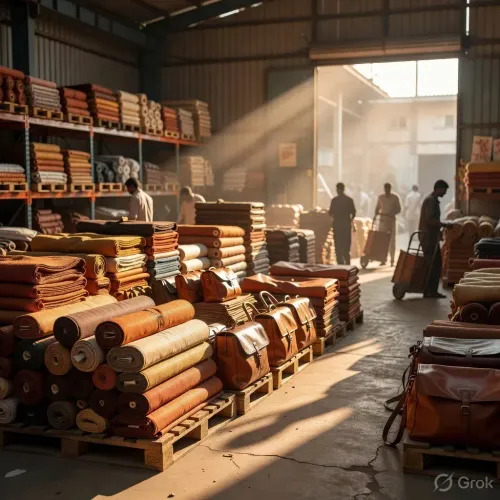
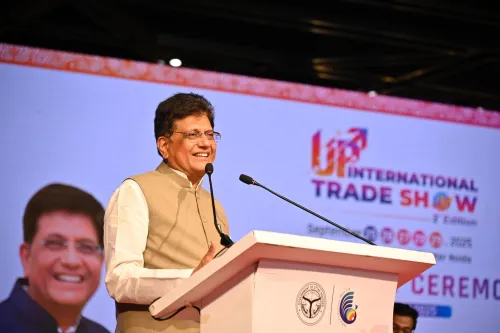
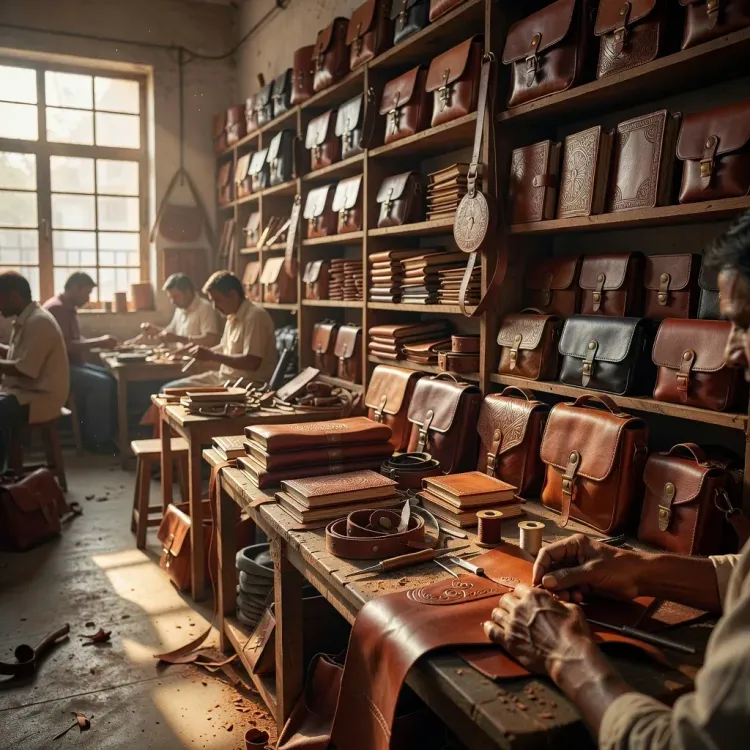
From Kanpur's tanneries to Noida's electronics assembly lines to the woodcraft workshops of Saharanpur — Union Commerce and Industry Minister Piyush Goyal says Uttar Pradesh is no longer just a domestic powerhouse; it is going global. In a post on Monday, 3 August 2026, Goyal credited Free Trade Agreements with unlocking fresh international market access for the state's most iconic industrial clusters.
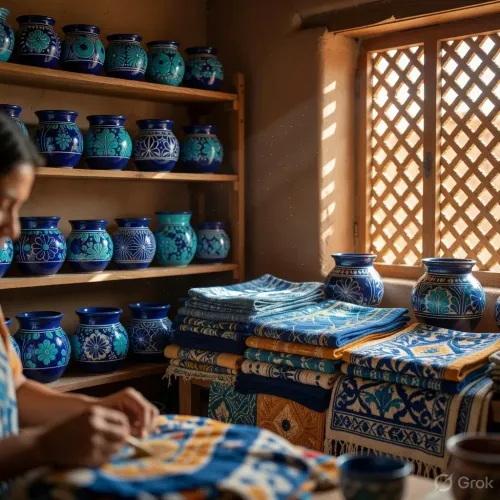
Goyal wrote — 'लोकल से ग्लोबल की ओर बढ़ता उत्तर प्रदेश' ('Uttar Pradesh moving from local to global') — framing the state's trajectory as a direct result of the leadership of Prime Minister Narendra Modi and Chief Minister Yogi Adityanath. He specifically named four export clusters: Kanpur leather, Noida electronics, Saharanpur handicrafts, and western UP agricultural produce — each finding new opportunities in global markets through India's expanding FTA network.
The FTA engine behind UP's export push
India's bilateral trade agreements have quietly reshaped the opportunity landscape for labour-intensive sectors. The India-UAE Comprehensive Economic Partnership Agreement, signed in 2022, specifically covers leather and agricultural exports — a direct lifeline for Kanpur, which has historically been India's leather capital. The India-Australia Economic Cooperation and Trade Agreement, also in force since 2022, cuts tariffs on manufactured and farm goods, opening a high-income market for western UP's agri output.
Since 2021, India has sharply accelerated its FTA negotiations to diversify beyond traditional export destinations. The logic is straightforward: India's merchandise export ambitions need new market access, and states with dense MSME and artisan clusters — like UP — are the natural beneficiaries when tariff walls come down abroad.
Why UP fits the federal-state trade blueprint
Uttar Pradesh, India's most populous state, has been systematically aligning its industrial policy with central trade strategy since 2017. State-level export promotion policies have worked to link district-level clusters — leather in Kanpur, electronics in Noida, woodcraft in Saharanpur — directly with international buyers. Noida in particular has grown into a significant electronics and IT hardware production hub, sectors that gain competitive pricing advantage when tariff barriers in partner countries fall.
The MSME exporters, handicraft artisans, and western UP farmers Goyal references are not abstract stakeholders — they are the human core of a state economy that, if it were a country, would rank among the larger economies in South Asia. Getting even a fraction of that output onto global shelves at competitive prices is a macro-level shift, not a marginal one.
What the next milestones will reveal
The real test of this 'local to global' narrative will come in state-wise export data and any fresh FTA outcomes that name UP clusters as direct beneficiaries. Parliamentary and state budget announcements on export infrastructure — cold chains for western UP produce, testing labs for leather, logistics corridors to ports — will signal whether the political framing is backed by ground-level investment.
For now, Goyal's post plants a clear flag: Uttar Pradesh is being positioned not just as India's most populous state, but as one of its most consequential export frontiers — and the FTA playbook is the instrument of that ambition.
Point of View
A BJP-governed state and India's largest by population, as a flagship exhibit of the Modi government's FTA-led export strategy ahead of what is likely to be a politically significant period. The choice to name specific cities and product clusters, rather than speak in generalities, signals that the Centre wants concrete, locatable wins attached to its trade diplomacy. This also reflects a broader federal-state coordination play: as India pursues ambitious merchandise export targets, states with dense labour-intensive MSME clusters are being activated as the ground-level delivery mechanism. The real credibility test will be verifiable export volume data from these clusters — without that, the narrative remains aspirational.
NationPress
17 Sept 2026
Frequently Asked Questions
Which Uttar Pradesh sectors benefit from India's Free Trade Agreements?
According to Commerce Minister Piyush Goyal, Kanpur leather, Noida electronics, Saharanpur handicrafts, and western UP agricultural produce are among the key sectors gaining global market access through India's FTAs.
Which FTAs are most relevant for Uttar Pradesh exports?
The India-UAE Comprehensive Economic Partnership Agreement (2022) covers leather and agricultural exports, while the India-Australia Economic Cooperation and Trade Agreement (2022) reduces tariffs on manufactured and farm goods — both directly relevant to UP's export clusters.
What is Kanpur known for in terms of exports?
Kanpur is historically India's leather and footwear manufacturing capital, and is one of the primary beneficiaries of tariff reductions under India's bilateral trade agreements.
Why is Noida important for India's electronics exports?
Noida has grown into a major electronics and IT hardware production hub in Uttar Pradesh, and gains pricing competitiveness when partner countries reduce import tariffs under FTAs.
What is India's broader FTA strategy and how does UP fit in?
India has accelerated FTA negotiations since 2021 to diversify export destinations. Uttar Pradesh, with its dense MSME and artisan clusters in labour-intensive and engineering goods, is a central part of this federal-state coordination on trade.