NSE cannot self-trade on own exchange, SEBI chief clarifies

Synopsis
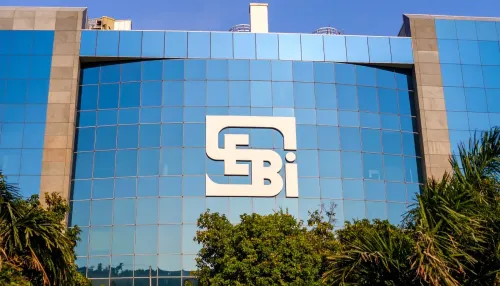
SEBI Chairman Tuhin Kanta Pandey has shut down speculation that NSE could trade its own shares on its own exchange — confirming no application has been received and that it is not permitted under current rules. With NSE's IPO one of India's most anticipated listings, this regulatory line-in-the-sand matters for how the offering is ultimately structured.
Key Takeaways
SEBI Chairman Tuhin Kanta Pandey stated on 17 September 2026 that NSE cannot trade its own shares on its own platform under current regulations.
SEBI has received no formal application or communication from NSE seeking self-trading approval.
NSE confirmed that reports of a DRHP addendum for self-trading were 'speculative and unfounded' and that no addendum would be filed.
BSE MD & CEO Sundararaman Ramamurthy noted BSE was denied a similar request in 2017 , setting a clear precedent.
NSE's shares are expected to list on BSE once its IPO process is complete.
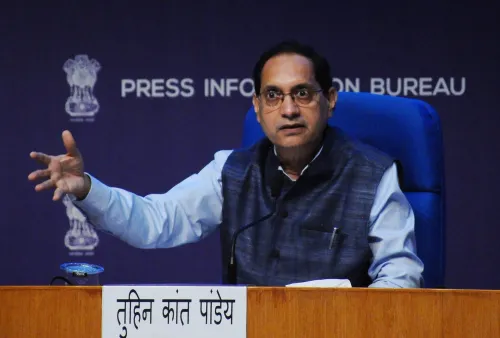
Securities and Exchange Board of India (SEBI) Chairman Tuhin Kanta Pandey on Thursday, 17 September 2026, categorically stated that the National Stock Exchange (NSE) is not permitted to trade its own shares on its own platform, and that the regulator has received no formal request seeking such an arrangement. Pandey made the remarks on the sidelines of the NaBFID Infrastructure Conclave 2026 in Mumbai, seeking to put to rest growing market speculation on the subject.
What the SEBI Chairman Said
'Currently, NSE cannot be permitted to trade (PTT) on its own platform,' Pandey said. He added that it was too early to evaluate any proposal on the matter and confirmed that SEBI had not received any application or formal communication from NSE seeking such approval. The remarks were aimed squarely at quelling speculation that had gathered pace in recent weeks around NSE's proposed initial public offering and the possibility of the exchange eventually enabling self-trading post-listing.
Background: The NSE IPO and Self-Listing Debate
The clarification comes amid heightened investor interest in NSE's much-anticipated IPO and broader discussions over the regulatory feasibility of an exchange trading its own shares. Reports had suggested that after listing on BSE, NSE could potentially seek permission to trade its shares on its own exchange under the 'permitted to trade' (PTT) category — a prospect that generated significant market chatter.
Notably, NSE had itself responded to queries on this front, confirming that media reports suggesting it would file an addendum to its draft red herring prospectus (DRHP) to facilitate self-trading were 'speculative and unfounded.'
BSE's Position and Its Own 2017 Experience
BSE Managing Director and Chief Executive Officer Sundararaman Ramamurthy had made similar observations earlier this month, stating that NSE would not be able to self-list under the existing regulatory framework. Ramamurthy revealed that BSE's compliance team had written to NSE seeking clarification on the reports. NSE responded that no addendum to its offer document would be filed. 'NSE has confirmed no addendum will be issued for self-trading along with the offer document,' Ramamurthy said.
Ramamurthy also recalled that BSE itself had sought permission to trade on its own platform in 2017 but was denied regulatory approval — underscoring that the restriction is not new and reflects a longstanding regulatory position.
Why It Matters
The question of exchange self-trading carries significant regulatory weight. Allowing an exchange to list and trade its own shares on its own platform raises concerns around conflict of interest, market integrity, and governance — issues that regulators globally have approached with considerable caution. SEBI's firm position, backed by the precedent of the 2017 BSE rejection, signals that any future proposal on self-trading would face a high regulatory bar. With NSE's IPO remaining one of the most closely watched listing events in Indian capital markets, clarity on such structural questions is critical for investor confidence.
What Happens Next
As things stand, NSE's shares are expected to list on BSE once the IPO process concludes. Any future proposal for self-trading would require a fresh regulatory application and explicit SEBI approval — neither of which is on the table at present, according to the chairman. Market participants will continue to watch for updates on the NSE IPO timeline and any evolution in the regulatory stance on exchange self-listing.
Point of View
Not a surprise — exchange self-trading creates an obvious conflict of interest, and the 2017 BSE rejection already set the precedent. What is worth watching is why the speculation gained enough traction to require a public denial from the chairman himself: it suggests that some market participants had priced in a more permissive regulatory stance around the NSE IPO than the facts warranted. The real story here is not what SEBI said, but that NSE's IPO process — years in the making — is generating enough anticipation that even fringe regulatory scenarios are moving market chatter. That anticipation, and the governance questions it surfaces, will only intensify as the listing date approaches.
NationPress
17 Sept 2026
Frequently Asked Questions
Can NSE trade its own shares on its own platform?
No. SEBI Chairman Tuhin Kanta Pandey confirmed on 17 September 2026 that NSE is not permitted to trade its own shares on its own exchange under the current regulatory framework. SEBI has also received no formal application from NSE seeking such approval.
What is the 'permitted to trade' (PTT) category in Indian exchanges?
The 'permitted to trade' (PTT) category allows certain securities not listed on an exchange to be traded on it under specific conditions. Reports had speculated that NSE could use this route to trade its own shares on its platform after listing on BSE, a possibility SEBI has now ruled out.
Will NSE file an addendum to its DRHP for self-trading?
No. NSE itself confirmed that reports suggesting it would file an addendum to its draft red herring prospectus (DRHP) to facilitate self-trading were speculative and unfounded, and that no such addendum would be filed.
Has any Indian exchange been allowed to trade its own shares on its own platform?
No. BSE sought similar permission in 2017 but was denied regulatory approval, establishing a precedent that SEBI's current position on NSE is consistent with. The restriction reflects longstanding concerns over conflict of interest and market integrity.
Where will NSE shares be listed after its IPO?
NSE's shares are expected to list on BSE once its IPO process is concluded. Any future proposal for self-trading on NSE's own platform would require a fresh SEBI application and explicit regulatory approval, neither of which is currently under consideration.