Will SEBI Approve the No-Objection Certificate for NSE IPO This Month?
Synopsis
SEBI is on track to approve the NSE's long-awaited IPO by the end of this month, as indicated by SEBI Chairman Tuhin Kanta Pandey. With a no-objection certificate on the horizon, the NSE can finally move forward. Learn more about the implications for investors.
Key Takeaways
SEBI is expected to issue a no-objection certificate for the NSE IPO soon.
The NSE IPO has been delayed due to the dark fibre case .
Retail investor interest in NSE shares has surged, reaching 1.46 lakh holders.
Despite challenges, retail investors remain optimistic about the NSE's future.
Approval from SEBI could significantly influence market confidence.
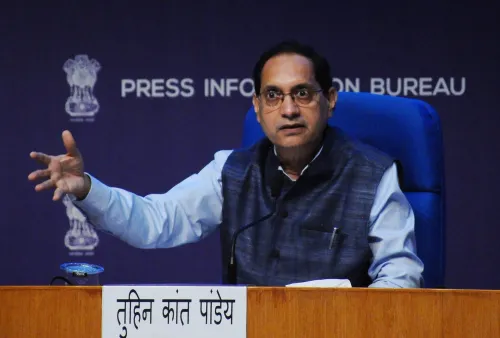
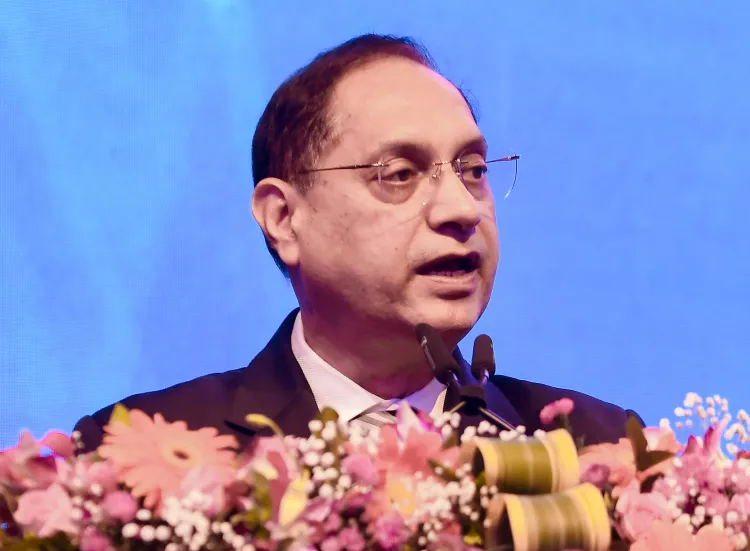
Mumbai, Jan 10 (NationPress) – The Securities and Exchange Board of India (SEBI) is poised to eliminate a significant regulatory obstacle for the much-anticipated initial public offering (IPO) of the National Stock Exchange (NSE) by the end of this month, as announced by SEBI Chairman Tuhin Kanta Pandey during a press briefing in Chennai.
He indicated that a no-objection certificate for the NSE could be issued shortly, stating, “The approval may arrive before the month concludes, after which it will be the responsibility of the NSE to proceed with the listing process.”
According to Pandey, “The no-objection certificate from SEBI is expected soon, potentially by the end of this month. From there, it will be up to the NSE to advance the process.”
The NSE has faced delays in its IPO ambitions for several years, primarily due to the ongoing dark fibre case.
This case involves claims that certain high-frequency traders were granted preferential access to the NSE’s co-location servers between 2010 and 2014 through expedited private communication lines, allegedly enabling them to execute trades faster than other market participants.
In April 2019, SEBI mandated the NSE to return ₹62.58 crore in supposed unlawful profits and prohibited several senior officials from holding positions related to the market.
In 2022, a fine of ₹7 crore was imposed on the exchange by SEBI, although this penalty was later overturned by the Securities Appellate Tribunal.
In a separate update, as of July this year, the NSE reported that approximately 1.46 lakh retail investors possess shares of the National Stock Exchange in the grey (unlisted) market.
This reflects a strong demand from retail investors, even amidst a considerable rise in share prices.
Currently, 1.46 lakh investors hold positions in NSE shares valued at less than ₹2 lakh, according to the NSE website. This figure has seen a four-fold increase from the previous quarter’s 33,896 investors. In contrast, the number of investors holding shares worth more than ₹2 lakh has decreased from 354 to 343 in the same time frame.
Point of View
It is crucial to highlight that the ongoing developments regarding the NSE IPO reflect the dynamic nature of India's financial markets. The potential approval from SEBI could usher in a new era for the exchange, fostering investor confidence and revitalizing market activities.
NationPress
27 Sept 2026
Frequently Asked Questions
What is the significance of the no-objection certificate for the NSE IPO?
The no-objection certificate from SEBI is crucial as it allows the NSE to proceed with its IPO process, a step that has been delayed for years.
Why has the NSE IPO faced delays?
Delays in the NSE IPO are primarily due to the dark fibre case, which involved claims of preferential access granted to certain traders.
What impact does the NSE IPO have on retail investors?
The NSE IPO is significant for retail investors as it could provide them with new investment opportunities and enhance market participation.
How many retail investors currently hold NSE shares?
As of July this year, approximately 1.46 lakh retail investors hold shares of the NSE in the grey market.
What were the penalties imposed on the NSE by SEBI?
SEBI had previously directed the NSE to disgorge ₹62.58 crore in unlawful gains and imposed a ₹7 crore penalty, which was later set aside.