NFR meets tea industry to push containerised rail freight in Assam
Synopsis
Northeast Frontier Railway is making a direct pitch to Assam's tea industry — which produces 55% of India's tea — to shift consignments from road to containerised rail. With new terminals in Mizoram and Nagaland coming online and freight loading up 6% in FY 2025-26, the push could reshape logistics economics for over 850 tea estates and 10 lakh workers.
Key Takeaways
NFR held a stakeholder meeting at Maligaon, Guwahati on 7 May 2025 to promote containerised rail freight for the tea industry.
Assam produces roughly 55% of India's tea — nearly 160 million kg annually — across about 850 large estates employing over 10 lakh workers .
NFR achieved freight loading of 11.4 million tonnes in FY 2025-26, a 6% growth over FY 2024-25.
Freight unloading rose by 688 rakes , from 12,346 to 13,034 rakes year-on-year.
New freight terminals at Sairang (Mizoram) and Molvom (Nagaland) are being developed to boost Northeast connectivity.
Gati Shakti Cargo Terminals are being expanded to improve container handling and first-mile/last-mile connectivity across the zone.
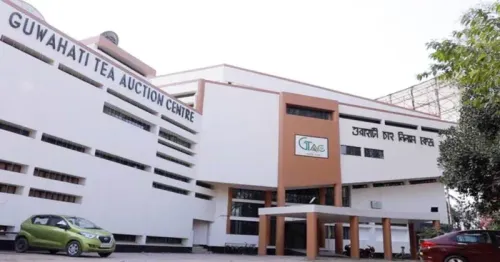
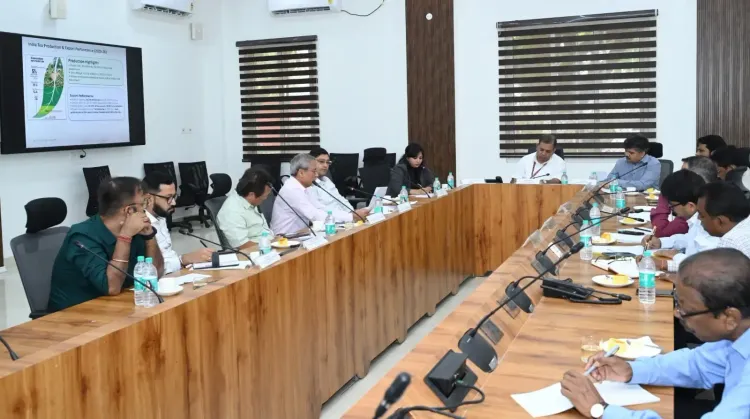
The Northeast Frontier Railway (NFR) on 7 May 2025 convened a stakeholder meeting at its Zonal Headquarters in Maligaon, Guwahati, to accelerate the shift of tea consignments from road to containerised rail transport. The meeting brought together logistics operators, tea associations, exporters, and producers in a focused push to strengthen rail-based freight solutions for the region's dominant agricultural export.
Why This Meeting Matters for Assam's Tea Sector
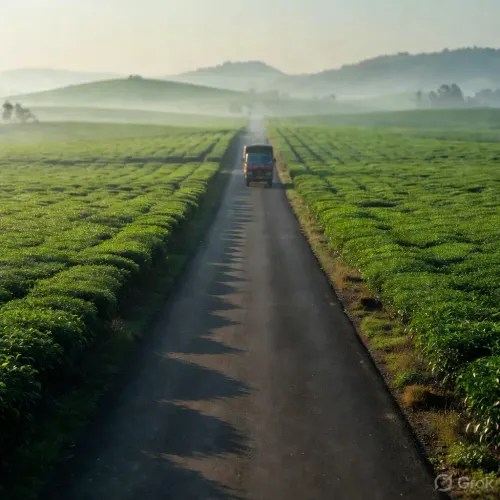
Assam accounts for roughly 55% of India's total tea output and produces nearly 160 million kilograms of export-oriented tea annually. The state's organised tea sector employs more than 10 lakh workers across approximately 850 large estates. Despite this scale, a significant share of tea movement still relies on road transport, which is costlier and less reliable over long distances.
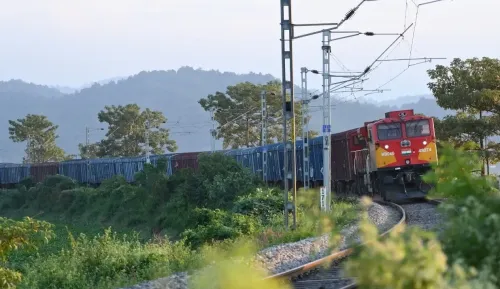
NFR's Chief Public Relations Officer (CPRO) Kapinjal Kishore Sharma said containerised rail services offer multiple advantages — cost-effectiveness, reliability, faster transit times, reduced handling losses, and environmentally sustainable transportation. He noted that NFR has been consistently working to build customer-oriented logistics solutions suited to the evolving needs of the Northeast's tea industry.
Key Discussions at the Maligaon Meeting
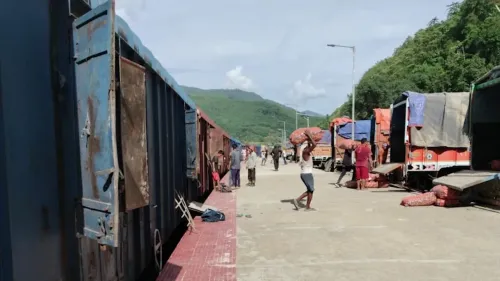
Senior railway officials and industry representatives deliberated on improving rail connectivity, operational coordination, and container handling facilities specifically for tea transportation. Discussions also centred on strategies to attract higher volumes of tea traffic to the railways by ensuring seamless, efficient, and customer-friendly logistics services. Participants explored operational pain points in current freight workflows and examined how rail-based containerisation could address them at scale.
NFR's Freight Performance in FY 2025-26
NFR recorded a total freight loading of 11.4 million tonnes (MT) in FY 2025-26, reflecting a growth of 6% over the previous financial year. Freight unloading operations also improved significantly, rising by 688 rakes — from 12,346 rakes in FY 2024-25 to 13,034 rakes in FY 2025-26. These figures indicate a broadening freight base on which the tea-specific containerisation push can be built.
New Terminals and Infrastructure Expansion
According to Sharma, NFR is actively developing and operationalising modern freight terminals and multimodal cargo handling facilities across the Northeast. New terminals at Sairang in Mizoram and Molvom in Nagaland are expected to significantly enhance freight accessibility and connectivity across the Northeastern states. The ongoing development of Gati Shakti Cargo Terminals across the zone is further boosting capabilities for cargo aggregation, container handling, and first-mile and last-mile connectivity.
These infrastructure additions are expected to create greater opportunities for tea producers and exporters to adopt rail transportation at scale. With new terminals coming online and a record freight year behind it, NFR's next challenge is converting stakeholder interest into consistent tea consignment volumes on rail.
Point of View
But the real question is whether NFR can move beyond consultation to conversion. Assam's tea estates have historically defaulted to road transport not out of preference but because rail logistics in the Northeast has been unreliable and infrastructure-thin. The 6% freight growth in FY 2025-26 is encouraging, but tea is a perishable, time-sensitive commodity — any transit delay translates directly into quality loss and export penalties. The Gati Shakti terminals and the Sairang and Molvom nodes are the right building blocks, but the pace of operationalisation will matter more than the announcements. If NFR can demonstrate consistent transit times and lower handling losses on even a pilot corridor, the 850-estate ecosystem has strong incentive to follow.
NationPress
22 Sept 2026
Frequently Asked Questions
Why is NFR promoting containerised rail transport for tea?
NFR is promoting containerised rail transport to offer tea producers and exporters a more cost-effective, reliable, and environmentally sustainable alternative to road freight. Containerised rail services also reduce handling losses and provide faster transit, which is critical for a time-sensitive export commodity like tea.
How much tea does Assam produce and why does logistics matter?
Assam produces nearly 160 million kilograms of export-oriented tea annually, accounting for roughly 55% of India's total tea output. With over 10 lakh workers and about 850 large estates involved, efficient and affordable logistics directly impacts the competitiveness and profitability of the entire sector.
What was NFR's freight performance in FY 2025-26?
NFR recorded a total freight loading of 11.4 million tonnes in FY 2025-26, a 6% growth over the previous year. Freight unloading also rose by 688 rakes, from 12,346 rakes in FY 2024-25 to 13,034 rakes in FY 2025-26.
Which new freight terminals is NFR developing in the Northeast?
NFR is developing new freight terminals at Sairang in Mizoram and Molvom in Nagaland, among others, to enhance freight accessibility and connectivity across the Northeastern states. Gati Shakti Cargo Terminals are also being expanded across the zone for better container handling and last-mile connectivity.
Who attended the NFR tea industry stakeholder meeting in Guwahati?
The meeting at NFR's Zonal Headquarters in Maligaon on 7 May 2025 was attended by senior railway officials, logistics operators, tea associations, exporters, and producers. Discussions focused on improving rail connectivity, container handling, and operational coordination for tea freight.