Qatar PM meets JD Vance in Washington, backs Pakistani mediation to ease regional tensions
Synopsis
Qatar's Prime Minister held talks with US Vice President JD Vance in Washington, explicitly backing Pakistani mediation efforts to de-escalate regional tensions. The meeting highlights Doha's growing role as a diplomatic bridge at a moment when the region is under acute pressure — and signals that multilateral back-channel diplomacy is actively in play.
Key Takeaways
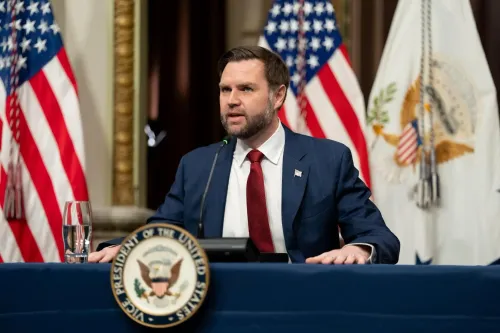
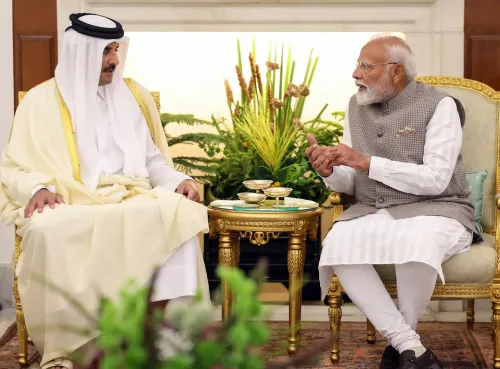
Qatar's PM Sheikh Mohammed bin Abdulrahman Al-Thani met US VP JD Vance in Washington on 9 May .
Talks focused on strategic cooperation between Qatar and the United States across multiple fields.
Both leaders reviewed regional developments and discussed Pakistani mediation efforts aimed at de-escalating tensions.
Sheikh Mohammed called on all parties to engage with ongoing mediation for a "comprehensive agreement" and lasting peace.
Qatar hosts the largest US military base in the Middle East and has played a key mediating role in several high-profile conflicts.
Qatar's Prime Minister and Foreign Minister Sheikh Mohammed bin Abdulrahman bin Jassim Al-Thani met US Vice President JD Vance in Washington on 9 May, with talks centring on strategic cooperation and escalating regional tensions. The high-level meeting underscored the deep diplomatic alignment between Doha and Washington at a critical moment for the region.
Strategic Ties at the Core
Both sides discussed what an official statement described as "the close strategic cooperation between the State of Qatar and the United States of America." The two leaders also explored ways to strengthen bilateral cooperation "in various fields," according to the statement. Qatar hosts a major US military base and has served as a trusted partner for American diplomatic initiatives across multiple complex conflicts in recent years.
Regional Tensions and Pakistani Mediation
Regional developments were central to the agenda. The two leaders reviewed "the latest developments in the region" and specifically discussed Pakistani mediation efforts aimed at de-escalating tensions in a way that, according to the official statement, "contributes to enhancing security and stability in the region." The explicit acknowledgement of Pakistan's mediation role signals growing multilateral engagement around current flashpoints.
Qatar's Call for Inclusive Diplomacy
Sheikh Mohammed "stressed the need for all parties to engage with the ongoing mediation efforts," urging broader participation in the diplomatic process. He argued that such engagement would help "address the root causes of the crisis through peaceful means and dialogue" and ultimately lead to "a comprehensive agreement that achieves lasting peace in the region." The language reflects Qatar's consistent posture of favouring dialogue over confrontation, a stance it has maintained across negotiations involving Hamas, the Taliban, and other actors.
Qatar's Broader Mediating Role
This is not the first time Doha has positioned itself as an indispensable back-channel between Washington and parties the United States cannot directly engage. Qatar has facilitated high-profile negotiations in Afghanistan, Gaza, and beyond, leveraging its unique relationships with both Western governments and regional actors. The Al Udeid Air Base, the largest US military installation in the Middle East, gives Doha additional strategic weight in these conversations. The meeting with Vice President Vance reinforces that Washington continues to rely on Qatar as a key diplomatic node in an increasingly volatile neighbourhood.
What Comes Next
No specific agreements or timelines were announced following the meeting. However, the emphasis on Pakistani mediation and the call for all parties to engage suggests active behind-the-scenes diplomacy is under way. Observers will watch whether the mediation effort yields a formal framework or remains a confidence-building measure in the near term.
Frequently Asked Questions
Why did Qatar's PM meet US Vice President JD Vance in Washington?
Qatar's Prime Minister Sheikh Mohammed bin Abdulrahman Al-Thani met Vice President JD Vance on 9 May to discuss strategic cooperation between the two countries and the latest regional developments. The meeting also addressed Pakistani mediation efforts aimed at reducing tensions in the region.
What is Pakistan's mediation role that was discussed?
The two leaders discussed Pakistani mediation efforts aimed at de-escalating regional tensions in a way that contributes to security and stability. Qatar's PM called on all parties to engage with these efforts to address the root causes of the crisis through dialogue.
What is Qatar's relationship with the United States?
Qatar and the United States maintain close strategic ties, underpinned by the Al Udeid Air Base — the largest US military installation in the Middle East — located in Qatar. Doha has also served as a diplomatic intermediary for Washington in complex negotiations involving Afghanistan, Gaza, and other conflicts.
What outcome did Qatar's PM call for from the mediation process?
Sheikh Mohammed stressed the need for all parties to engage with ongoing mediation efforts, stating that this would help address the root causes of the crisis and lead to a comprehensive agreement that achieves lasting peace in the region.
Were any specific agreements announced after the Qatar-US meeting?
No specific agreements or timelines were announced following the meeting between Sheikh Mohammed and Vice President Vance. The discussions were focused on reviewing regional developments and reinforcing the framework for ongoing diplomatic engagement.