Is SEBI Considering Regulation of the Unlisted Share Market?
Synopsis
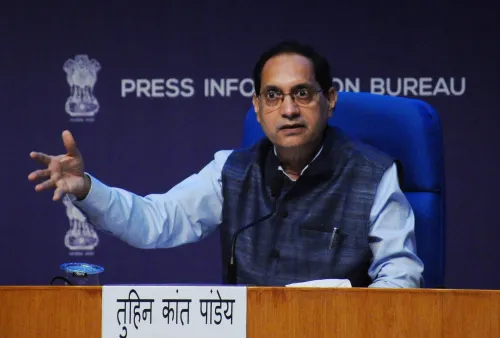
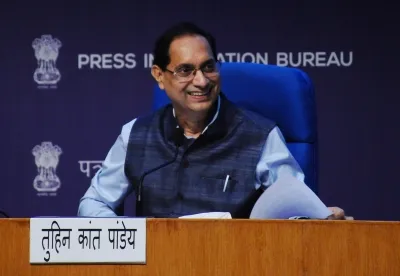
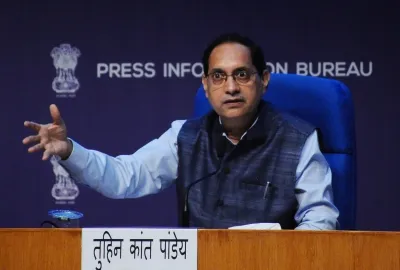
In a significant move, SEBI is weighing the possibility of regulating the unlisted share market to protect investors and ensure transparency. Chairperson Tuhin Kanta Pandey highlights the need for legal clarity and the challenges posed by the current lack of oversight in this sector.
Key Takeaways
SEBI is considering regulation for the unlisted share market.
Current lack of oversight leaves investors vulnerable.
Legal authority and scope of regulation are under examination.
Pandey highlights price discrepancies between private deals and IPOs.
SEBI's involvement typically starts at the IPO stage.
Mumbai, Jan 15 (NationPress) The Securities and Exchange Board of India (SEBI), which oversees the country's financial markets, is contemplating the regulation of the unlisted share market, a sector that currently operates beyond its direct oversight, according to chairperson Tuhin Kanta Pandey on Thursday.
During the annual convention of the Association of Investment Bankers of India for 2025–26, Pandey mentioned that discussions are ongoing with the Ministry of Corporate Affairs regarding this matter.
“SEBI must first determine if it possesses the legal authority to oversee companies that are not listed on stock exchanges and the extent of such regulatory power,” he noted.
The unlisted share market encompasses stocks from companies that are not publicly traded.
Investors typically acquire these shares through private agreements, employee stock option plans, or via intermediaries.
As these firms are unlisted, they are not bound by stringent and continuous disclosure requirements, which often leaves investors with insufficient or delayed insights into a company's financial condition and associated risks.
Pandey expressed that a significant concern for SEBI is the considerable disparity between prices in the unlisted market and the valuations realized when companies pursue an initial public offering (IPO).
“Prices established in private transactions frequently differ from those identified during the IPO book-building phase, resulting in confusion and potential threats for investors,” he explained.
He also emphasized that regulations applicable to listed companies cannot simply be imposed on unlisted entities.
Historically, SEBI's regulatory involvement commences only when a company is ready to list its shares.
Regarding the proposed IPO by the National Stock Exchange, Pandey stated that the market regulator is presently reviewing the exchange’s settlement application.
He added that, fundamentally, SEBI supports the settlement, which is under evaluation by various committees.
Point of View
It is vital to recognize that the potential regulation of the unlisted share market by SEBI reflects a growing commitment to investor protection. While challenges remain, this proactive approach could enhance transparency and trust within India's financial ecosystem.
NationPress
23 Sept 2026
Frequently Asked Questions
What is the unlisted share market?
The unlisted share market consists of shares from companies that are not publicly traded on stock exchanges, often acquired through private deals.
Why does SEBI want to regulate the unlisted share market?
SEBI aims to protect investors and ensure transparency, as the unlisted market currently lacks strict disclosure requirements.
What are the risks associated with investing in unlisted shares?
Investing in unlisted shares carries risks such as limited information on financial health and potential discrepancies between private deal prices and IPO valuations.
How does SEBI currently regulate the share market?
SEBI's regulatory role typically begins when a company is preparing to list its shares on stock exchanges.