Is Pakistan One of the Worst Countries for Women in Management Roles?
Synopsis
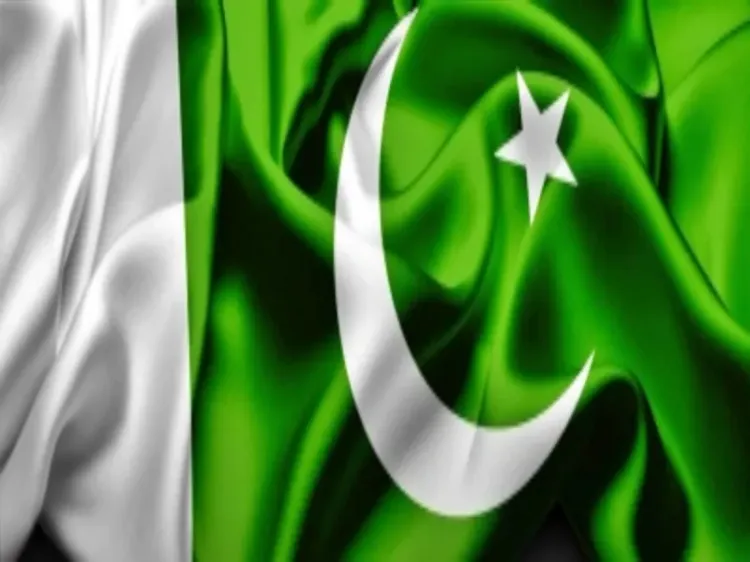
In a shocking revelation, Pakistan is ranked among the worst globally for female representation in management positions, with women holding less than 8% of such roles. This report contrasts sharply with other Muslim-majority countries, raising questions about gender equality in the nation.
Key Takeaways
Less than 8% of management roles are held by women in Pakistan.
Pakistan ranks alongside Afghanistan and Yemen in gender representation.
Other Muslim-majority nations have significantly higher female management percentages.
Subtle and overt forms of misogyny exist in workplaces.
Women’s contributions are often overlooked and credited to men.
New Delhi, Jan 15 (NationPress) Pakistan has ranked among the world’s least effective nations regarding gender representation in the workplace, with women holding less than 8 percent of senior and middle management roles, as reported by data from the International Labour Organisation.
This statistic positions Pakistan alongside Afghanistan and Yemen at the lower end of global rankings, despite women managing nearly 30 percent of management roles worldwide, according to a report by Dawn.
The disparity is stark when compared to other Muslim-majority nations. For instance, Brunei boasts over 32 percent of women in management, while the UAE has 23.5 percent, Tunisia 26 percent, and Turkiye 19.1 percent, as highlighted in the Dawn report.
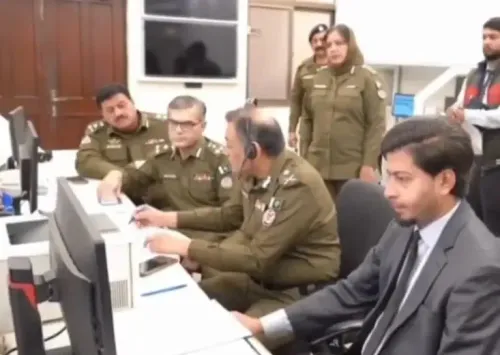
These figures illustrate the reality within Pakistani workplaces, where women's presence has grown but their influence is limited.
Experts indicate that misogyny manifests in various forms in Pakistan's workplaces. In traditional settings, it is often overt, with women being told that certain roles are inappropriate for them or that their primary responsibilities belong at home.
Conversely, in more contemporary corporate environments, biases are more subtle and disguised in progressive rhetoric.
Women are honored during International Women’s Day events and presented as symbols of inclusivity, yet they are seldom entrusted with genuine authority or decision-making power.
In numerous offices, gender equality appears convincing on the surface. However, over time, patterns reveal that women are frequently tasked with taking notes, organizing meetings, or managing follow-ups, independent of their job titles.
This unpaid and unacknowledged “office housework” is seldom assigned to men, thereby relegating women to support roles rather than leadership positions.
Additionally, women's professional contributions often face similar challenges. Ideas proposed by women are frequently overlooked, only to receive accolades when reiterated later by male colleagues.
This dynamic deprives women of recognition and reinforces the notion that authority predominantly resides with male voices.
Point of View
It is imperative that we recognize and address the dismal state of gender representation in Pakistan's management roles. The statistics are a call to action for businesses and policymakers to foster an environment that not only promotes women's presence in the workplace but also empowers them to take on leadership positions.
NationPress
30 Sept 2026
Frequently Asked Questions
What percentage of management roles are held by women in Pakistan?
Women hold less than 8 percent of senior and middle management positions in Pakistan.
How does Pakistan's gender representation compare to other countries?
Pakistan ranks alongside Afghanistan and Yemen, while other Muslim-majority countries like Brunei and the UAE report significantly higher percentages.
What are the barriers women face in the workplace in Pakistan?
Women in Pakistan often face overt and subtle forms of misogyny, limiting their authority and influence in professional settings.
How are women's contributions recognized in Pakistani workplaces?
Women's ideas are often overlooked and credited to male colleagues, reinforcing the perception that authority primarily resides with men.
What can be done to improve gender representation in management?
Awareness, policy changes, and a shift in workplace culture are essential to enhance women's representation and authority in management roles.