NSE IPO opens for subscription; GMP drops 32% to ₹148 ahead of listing
Synopsis
NSE's historic IPO is finally open — but the grey market is flashing caution. The GMP has slid nearly 32% in a week to around ₹148, even as core transaction-charge revenue shrank 4% in FY26. With an all-OFS structure meaning zero fresh capital for the exchange, investors are weighing a landmark listing against genuine earnings headwinds.
Key Takeaways
NSE IPO opened for public subscription on 17 September 2026 and closes on 21 September 2026 .
Price band fixed at ₹1,700–₹1,785 per share ; total issue size approximately ₹22,561.57 crore at the upper end.
Grey market premium fell nearly 32% over one week, from ₹218 on 11 September to around ₹148 by 3 pm on 17 September.
The issue is entirely an offer for sale (OFS) of 12.64 crore shares — proceeds go to existing shareholders, not NSE.
NSE's revenue from operations declined over 3% year-on-year to ₹16,601.31 crore in FY26 ; transaction-charge revenue fell nearly 4% to ₹13,057.01 crore .
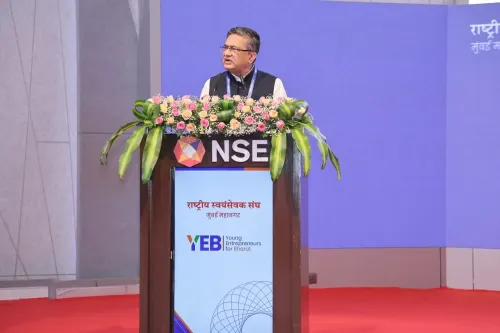
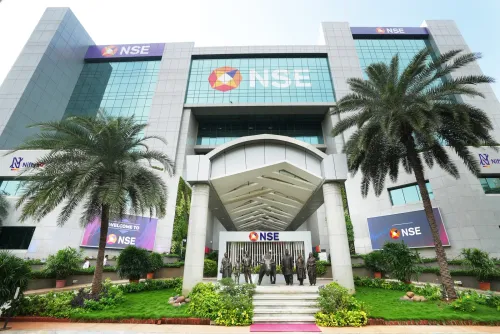
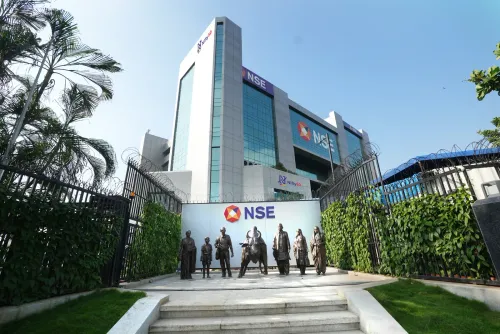
The long-awaited initial public offering (IPO) of the National Stock Exchange of India (NSE) opened for public subscription on Thursday, 17 September 2026, even as its grey market premium (GMP) came under sustained pressure over the preceding week, declining nearly 32 per cent from levels seen just seven days earlier. The offering marks a historic milestone — NSE is among the world's largest stock exchanges by derivatives volume, and its public listing has been anticipated for years.
GMP Trajectory This Week
According to market reports, NSE's GMP stood at ₹218 per share on 11 September. It then moved to ₹208 on 12 September, ₹210 on 13 September, ₹208 on 14 September, and slipped sharply to ₹160 on 15 September before falling further to ₹145 on 16 September. On the opening day itself, the premium was quoted as low as ₹125 per share before recovering to around ₹148 by 3 pm IST on Thursday.
Despite the intra-day recovery, the GMP remains significantly below week-ago levels — a decline of nearly 32 per cent over the period. It is important to note that the grey market premium is an unofficial, unregulated indicator reflecting the premium investors may be willing to pay over an IPO's issue price ahead of listing, and does not guarantee any particular listing outcome.
Issue Details and Price Band
The NSE IPO will remain open for retail and other eligible investors until 21 September 2026. The exchange has fixed the price band at ₹1,700–₹1,785 per share. At the upper end of the price band, the total issue size is valued at approximately ₹22,561.57 crore, with 12.64 crore shares on offer.
Notably, the issue is structured entirely as an offer for sale (OFS), meaning all proceeds will flow to existing shareholders rather than to NSE itself. This structure implies no fresh capital infusion into the exchange's operations from this listing.
NSE's Financial Performance Under Scrutiny
Beyond the grey market softness, investors are also likely to closely evaluate NSE's recent financial performance before placing bids. The exchange reported revenue from operations of ₹16,601.31 crore in FY26, compared with ₹17,140.67 crore in FY25 — a year-on-year decline of more than 3 per cent.
Revenue from transaction charges, one of NSE's primary income streams, also contracted during the same period. It fell to ₹13,057.01 crore in FY26 from ₹13,635.76 crore in FY25, a year-on-year drop of approximately 4 per cent. This compression in core revenues is likely to feature prominently in investor deliberations, particularly given the all-OFS structure that benefits only selling shareholders.
Broader Context and What Investors Should Watch
The NSE IPO has been in the works for several years, delayed by regulatory proceedings and governance concerns. This comes amid a broader environment where the Indian primary market has seen mixed listing performances in recent months, making GMP signals more closely watched than usual. The softening premium may reflect investor caution around the revenue contraction rather than any structural concern about NSE's market position.
With subscription open until 21 September, allotment and listing timelines will be closely tracked by retail and institutional investors alike. The listing price relative to the upper band of ₹1,785 will be the definitive test of how the market ultimately values India's largest exchange.
Point of View
Which fell 4% in FY26 as SEBI's derivatives curbs bit into volumes. The all-OFS structure means this listing enriches selling shareholders while adding nothing to NSE's balance sheet, a detail retail investors often overlook in landmark IPOs. The more pointed question is whether the premium that NSE commands as a near-monopoly in Indian derivatives is already priced into the ₹1,785 upper band, leaving limited upside at current GMP levels. Regulatory overhang and revenue compression in the same year as the IPO is an unusual combination that warrants more scrutiny than the historic-listing narrative tends to invite.
NationPress
17 Sept 2026
Frequently Asked Questions
What is the NSE IPO price band and issue size?
The NSE IPO has a price band of ₹1,700–₹1,785 per share. At the upper end, the total issue size is approximately ₹22,561.57 crore, with 12.64 crore shares on offer entirely through an offer for sale.
When does the NSE IPO close for subscription?
The NSE IPO opened on 17 September 2026 and will remain open for retail and eligible investors until 21 September 2026.
Why is the NSE IPO grey market premium falling?
The GMP has fallen nearly 32% over the week preceding listing, from ₹218 on 11 September to around ₹148 by the afternoon of 17 September, according to market reports. Analysts attribute the softness partly to NSE's declining revenue from operations and transaction charges in FY26, alongside broader caution in the primary market.
What does 'offer for sale' mean for NSE IPO investors?
An offer for sale means the shares being sold belong to existing shareholders, not newly issued by NSE. As a result, NSE itself receives no proceeds from the IPO; all funds go to the selling shareholders. This has no direct impact on the exchange's capital base.
How has NSE's financial performance trended ahead of the IPO?
NSE reported revenue from operations of ₹16,601.31 crore in FY26, down from ₹17,140.67 crore in FY25 — a decline of over 3%. Revenue from transaction charges, a core income stream, fell roughly 4% year-on-year to ₹13,057.01 crore in FY26.