NSE IPO DRHP: AI, cyber risks flagged as trading revenue dips in FY26
Synopsis
NSE's long-awaited IPO filing lays bare a business model built almost entirely on derivatives — options trading alone drove over 60% of FY26 revenue — even as SEBI's own curbs on that segment are already biting. Add unresolved co-location cases, ₹643 crore in past settlements, and a new frontier of AI-linked cyber threats, and the DRHP reads as much as a risk register as a growth story.
Key Takeaways
NSE filed its DRHP with SEBI , disclosing key risks ahead of its long-awaited IPO .
Options trading alone contributed 60.22 per cent of total operating revenue in FY26 ; transaction charges overall were 78.65 per cent .
NSE paid more than ₹643 crore in October 2024 and ₹40.35 crore in July 2025 in SEBI-related settlements.
Unresolved proceedings in the co-location and dark fibre cases continue to pose reputational and financial risk.
The DRHP flags AI-powered cyberattacks , deepfake impersonation, and third-party AI data leaks as emerging threats.
Top 10 trading members accounted for 46.78 per cent of operating revenue in FY26, highlighting client concentration risk.
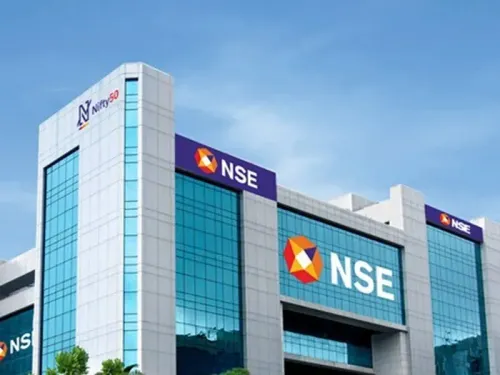
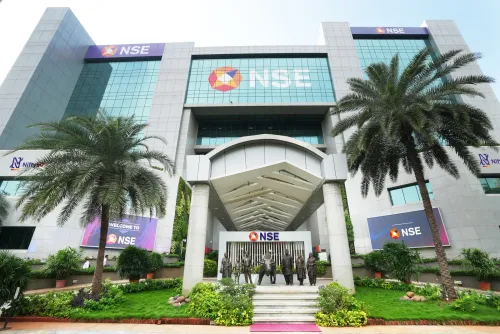
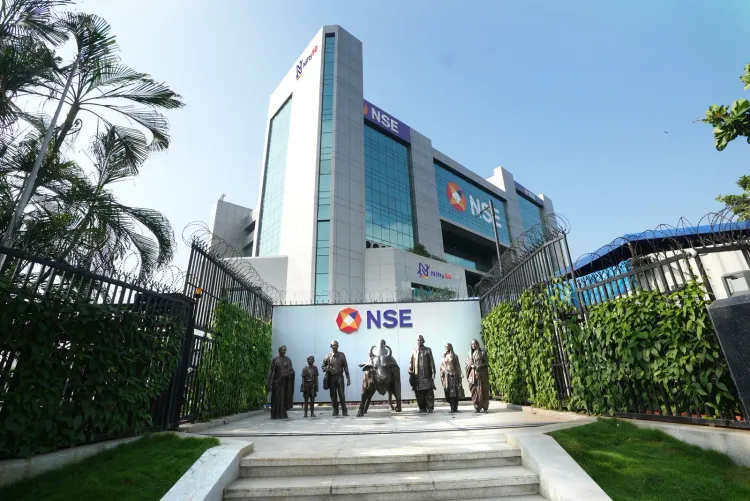
The National Stock Exchange (NSE) has warned prospective investors that regulatory changes, technology failures, cybersecurity threats, and risks tied to artificial intelligence (AI) could materially affect its business and financial performance, as India's largest stock exchange moves ahead with its long-awaited initial public offering (IPO). The disclosures were made in the exchange's draft red herring prospectus (DRHP) filed with the Securities and Exchange Board of India (SEBI).
Heavy Dependence on Derivatives Revenue
Transaction charges accounted for 78.65 per cent of NSE's operating revenue in FY26, with options trading alone contributing 60.22 per cent of total revenue from operations. This concentration makes the exchange's earnings acutely sensitive to shifts in derivatives market activity.
NSE acknowledged that recent SEBI measures to strengthen the equity derivatives framework have already caused a moderation in trading volumes across both cash and derivatives segments, translating into lower trading revenues during FY26. The exchange cautioned that further regulatory tightening, higher transaction taxes, changes in investor behaviour, or a migration toward alternative asset classes could erode volumes and profitability further.
Regulatory Scrutiny and Settlement Costs
The DRHP reveals that NSE operates under extensive and continuous regulatory oversight, including inspections, examinations, and enforcement actions by SEBI. The exchange has received show-cause notices, warning letters, deficiency letters, and advisory communications covering governance, operational, technology, and compliance matters.
Settlement costs have been substantial. In October 2024, NSE paid more than ₹643 crore in connection with proceedings related to its Trading Access Point (TAP) architecture and network connectivity. A further ₹40.35 crore was paid in July 2025 under a settlement order linked to regulatory inspection findings.
Several legal and regulatory proceedings remain unresolved, including matters related to the co-location and dark fibre cases. According to the DRHP, these proceedings could continue to carry reputational and financial implications for the bourse.
Technology Failures and AI-Linked Cyber Risks
Given the fully electronic nature of stock market operations, NSE identified technology failures and cyberattacks as major operational risks. The exchange acknowledged experiencing multiple technology-related incidents in recent years, including website outages, market data dissemination issues, login disruptions, and errors involving derivatives-related information.
Notably, the DRHP flags a new category of threats linked to AI: AI-powered cyberattacks, deepfake-based impersonation, data leaks through third-party AI tools, and vulnerabilities introduced by AI-assisted software development. This marks one of the more detailed AI risk disclosures by a major Indian financial market infrastructure in a public filing.
Concentration Risk Among Top Trading Members
NSE also disclosed significant concentration risk within its client base. The exchange's top 10 trading members accounted for 46.78 per cent of operating revenue in FY26, leaving earnings vulnerable to any disruption or decline in activity among these key participants.
With the DRHP now in the public domain, SEBI's review process will determine the timeline for NSE's listing — an event that has been anticipated by markets for nearly a decade.
Point of View
And where the primary regulator has actively moved to cool that very product, is structurally exposed in a way that most IPO filings gloss over. The unresolved co-location and dark fibre cases are not footnotes; they have shadowed NSE's listing ambitions for years and remain live liabilities. The AI risk disclosures are forward-looking and commendable, but they also signal that NSE — like every major financial infrastructure — is navigating a threat landscape it does not yet fully control. Investors will need to weigh a near-monopoly market position against a revenue model that regulators are actively reshaping.
NationPress
19 Sept 2026
Frequently Asked Questions
What risks has NSE disclosed in its IPO DRHP?
NSE's DRHP flags regulatory changes, technology failures, cybersecurity threats, and AI-linked risks as factors that could materially affect its business and financial performance. The filing also highlights dependence on derivatives revenue and unresolved legal proceedings including co-location and dark fibre cases.
How dependent is NSE on derivatives trading revenue?
Options trading alone contributed 60.22 per cent of NSE's total revenue from operations in FY26, while transaction charges overall accounted for 78.65 per cent of operating revenue. This makes the exchange highly sensitive to any regulatory or market-driven decline in derivatives activity.
What has NSE paid in regulatory settlements?
NSE paid more than ₹643 crore in October 2024 related to its Trading Access Point (TAP) architecture and network connectivity proceedings, and a further ₹40.35 crore in July 2025 under a settlement linked to regulatory inspection findings.
What are the AI-related risks flagged in the NSE DRHP?
The DRHP identifies AI-powered cyberattacks, deepfake-based impersonation, data leaks through third-party AI tools, and software vulnerabilities introduced by AI-assisted development as emerging risks. These disclosures represent one of the more detailed AI risk assessments in an Indian financial market infrastructure filing.
What is the status of the NSE co-location and dark fibre cases?
According to the DRHP, both the co-location and dark fibre cases remain unresolved. NSE has acknowledged that these proceedings could continue to carry reputational and financial implications for the exchange going forward.