NSE's ₹30,000 crore IPO: decade of delay, options slump cloud listing
Synopsis
NSE's ₹30,000 crore IPO would be India's biggest-ever share sale — but a decade of co-location litigation, a 17% profit drop, and a collapse in options market share from 97% to 75% in just two years mean investors are buying into a structurally concentrated business at a moment of maximum regulatory disruption.
Key Takeaways
NSE is pursuing a ₹30,000 crore IPO, potentially the largest share sale in Indian history.
The listing was delayed for nearly a decade by the co-location controversy (2010–2014) ; a revised ₹1,491 crore SEBI settlement is reportedly nearing resolution.
Options trading contributes roughly 60% of NSE's operating revenue, but the exchange's equity options market share fell from 97% in FY24 to 75% in FY26 .
Adjusted profit after tax dropped 17% to ₹9,101 crore in FY26, down from ₹10,978 crore in FY25, as SEBI's derivatives curbs took effect.
91% of retail F&O traders incurred net losses in FY25, collectively losing ₹1.1 lakh crore , according to SEBI data.
Revenue from operations fell approximately 3% year-on-year in FY26 — the first full year under the revised regulatory framework.
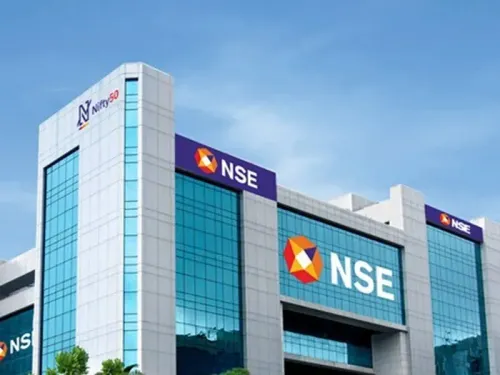
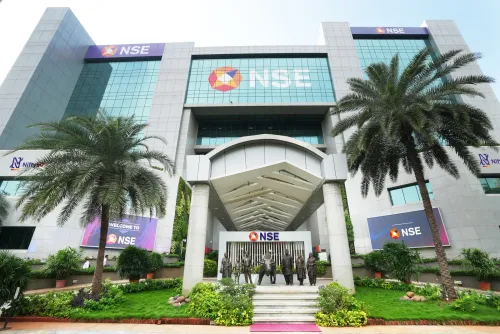
The National Stock Exchange (NSE) is pressing ahead with a proposed ₹30,000 crore initial public offering — potentially the largest share sale in Indian history — but the path to listing is shadowed by a decade-long regulatory standoff and a sharp decline in derivatives revenue that has raised fresh investor concerns, according to a Value Research report.
The Co-location Controversy That Froze the IPO
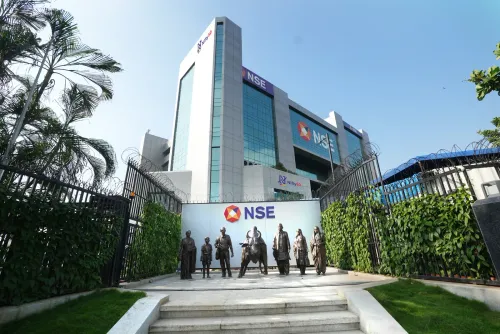
NSE's listing ambitions were derailed by the co-location controversy spanning 2010 to 2014, in which certain brokers allegedly connected first to a backup server inside NSE's data centre, allowing them to receive market data milliseconds ahead of competitors. A forensic audit confirmed the pattern, prompting a Securities and Exchange Board of India (SEBI) investigation.
When NSE filed its draft prospectus in 2016, the regulatory case remained unresolved — enough to stall the listing entirely. The matter then wound through years of SEBI penalties, tribunal proceedings, and the Supreme Court. The exchange has now proposed a revised settlement of ₹1,491 crore with SEBI, which is reportedly nearing resolution.
How NSE Got Back on Track
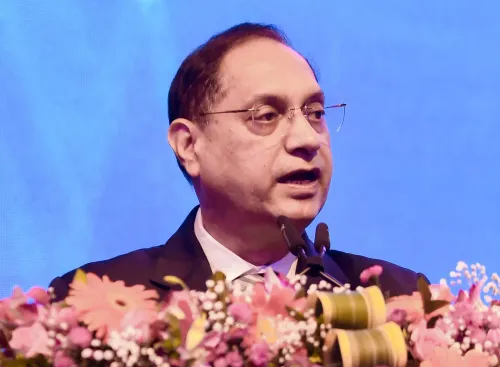
The return of Ashish Chauhan as chief executive in 2022 proved pivotal. A member of NSE's founding team who later steered BSE's own listing in 2017, Chauhan is credited with restoring regulatory credibility and reviving the long-delayed IPO process.
During the decade NSE remained unlisted, its scale grew dramatically. Revenue expanded roughly nine times, and the income mix shifted decisively toward transaction charges — from 49.5% of total income in FY16 to 78.7% by FY26, driven almost entirely by the boom in derivatives, particularly options.
The Options Dependence Problem
Options trading now contributes roughly 60% of NSE's operating revenue, making it the exchange's single largest income driver. That concentration has drawn increasing regulatory attention. According to SEBI data, 91% of retail futures and options traders incurred net losses in FY25, collectively losing approximately ₹1.1 lakh crore.
In response, SEBI introduced a series of curbs from 2024 onwards: weekly expiry events across both exchanges were reduced from seven to one per exchange, with NSE's Nifty assigned a Tuesday expiry and BSE's Sensex a Thursday expiry. Contract sizes were also increased, and additional margins were imposed near expiry dates.
FY26: The First Full Year Under the New Rules
FY26 was the first complete financial year in which NSE operated under the revised regulatory framework — and the numbers reflected the strain. Revenue from operations declined approximately 3% year-on-year, while adjusted profit after tax fell 17% to ₹9,101 crore from ₹10,978 crore in FY25.
NSE's market share in equity options also contracted sharply, sliding from 97% in FY24 to 75% in FY26. The decline exposed the exchange's structural dependence on a single segment, with no other business large enough to absorb the shortfall. The remaining 21% of NSE's revenue comes from data feeds, listing fees, index licensing, and co-location charges — recurring, less volatile streams that continue to grow but cannot yet compensate for the options slowdown.
What Lies Ahead
The IPO's timing will hinge on the final resolution of the SEBI settlement and market conditions. Investors will be watching whether NSE can diversify its revenue base before listing, or whether the offering prices in the risk of continued regulatory tightening in derivatives. The exchange's long-awaited debut on its own boards remains one of the most closely tracked corporate events in Indian capital markets.
Point of View
Prospective investors are being asked to value a near-monopoly that is visibly eroding. SEBI's derivatives reforms are not a one-time shock — they reflect a sustained policy intent to reduce retail speculation, which means the headwinds are structural, not cyclical. The ₹1,491 crore settlement may clear the legal overhang, but it does nothing to diversify the revenue base. The more important question for the IPO is whether NSE can credibly demonstrate a path to growing its data, licensing, and technology businesses fast enough to offset what could be a multi-year compression in transaction income.
NationPress
6 Oct 2026
Frequently Asked Questions
What is the NSE IPO and why is it significant?
The National Stock Exchange is seeking to raise approximately ₹30,000 crore through an initial public offering, which would make it the largest share sale in Indian history. The listing has been delayed for nearly a decade due to the co-location controversy and subsequent regulatory proceedings.
What was the NSE co-location controversy?
Between 2010 and 2014, certain brokers allegedly connected first to a backup server inside NSE's data centre, receiving market data milliseconds ahead of other participants. A forensic audit confirmed the pattern, leading to a SEBI investigation, penalties, and prolonged legal proceedings that stalled the IPO.
Why did NSE's profit fall in FY26?
NSE's adjusted profit after tax fell 17% to ₹9,101 crore in FY26 from ₹10,978 crore in FY25, as SEBI's derivatives market reforms — including reducing weekly expiries and raising contract sizes — weighed on options trading volumes. FY26 was the first full year under the revised regulatory framework.
How have SEBI's derivatives curbs affected NSE's market share?
NSE's share of the equity options market declined from 97% in FY24 to 75% in FY26 after SEBI reduced weekly expiry events and imposed stricter margin requirements. The reforms were introduced in response to data showing 91% of retail F&O traders incurred net losses in FY25.
What is the current status of NSE's SEBI settlement?
NSE has proposed a revised settlement of ₹1,491 crore with SEBI to resolve the co-location case, which is reportedly nearing final resolution. Clearing this legal overhang is considered a key prerequisite for the IPO to proceed.