PM Modi Calls India-Indonesia Visit Outcomes 'Futuristic'
Synopsis
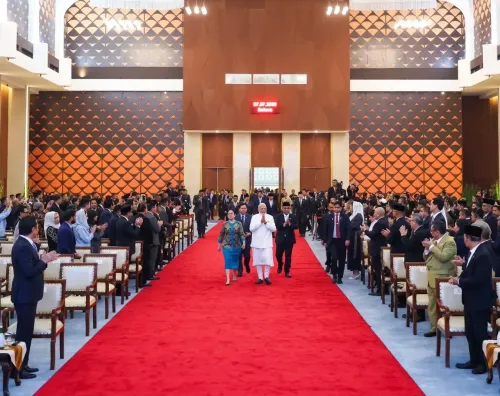
Prime Minister Narendra Modi wrapped up his state visit to Indonesia on 7 July 2026, calling the outcomes 'comprehensive, substantive and futuristic.' The visit deepens a Comprehensive Strategic Partnership rooted in the Act East Policy, advancing defence, trade and maritime cooperation between Asia's two largest democracies.
Key Takeaways
PM Modi described his Indonesia visit outcomes as 'comprehensive, substantive and futuristic' in a post on 7 July 2026.
India and Indonesia have held a Comprehensive Strategic Partnership since 2018 , covering defence, trade and maritime cooperation.
The visit advances India's Act East Policy , launched in 2014 to deepen ties with ASEAN member states.
Key stakeholders include Indian exporters, defence manufacturers and maritime agencies on both sides.
Follow-up will focus on implementation of any agreements signed and upcoming multilateral engagements such as the ASEAN-India Summit.
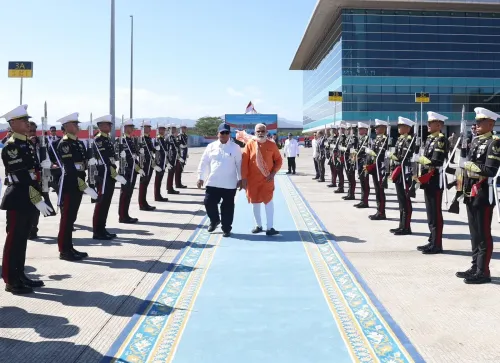
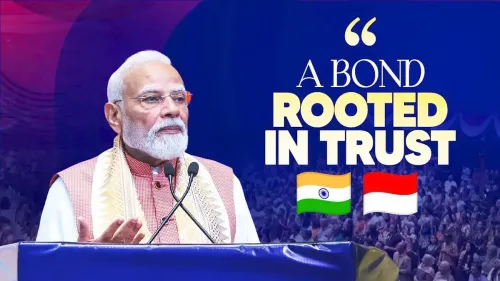
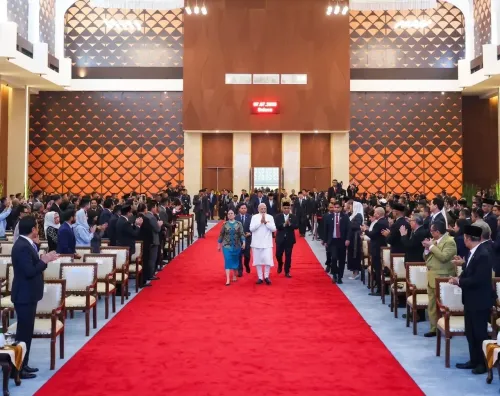
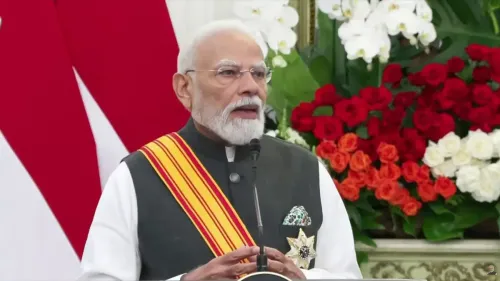
Prime Minister Narendra Modi on Tuesday, 7 July 2026 described the results of his visit to Indonesia as 'comprehensive, substantive and futuristic,' expressing confidence that the bilateral friendship would 'keep scaling new heights in the years to come.'
Context
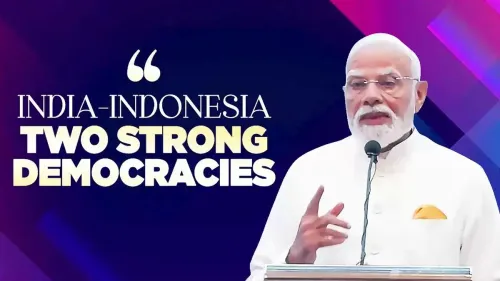
Modi's post, shared on the conclusion of his state visit to Jakarta, signals a significant deepening of ties between Asia's two largest democracies. The two nations share deep historical, cultural and civilisational links, reinforced in recent years by a shared interest in maritime security and supply-chain resilience across the Indo-Pacific.
India and Indonesia formalised a Comprehensive Strategic Partnership in 2018, during Modi's previous visit to the archipelago nation, covering defence cooperation, maritime engagement and bilateral trade. The current visit builds on that framework.
Policy Backdrop
The visit sits squarely within India's Act East Policy, launched in 2014, which elevated New Delhi's engagement with ASEAN member states from a 'Look East' posture to active economic, security and connectivity partnerships. Indonesia, as ASEAN's largest economy and a fellow G20 member, occupies a central position in that architecture.
The two governments have held regular high-level summits and participated jointly in the ASEAN-India and East Asia Summit processes. Defence ties have grown alongside trade, with Indian and Indonesian naval forces conducting coordinated exercises in the strategically vital Malacca Strait and Andaman Sea corridors.
Stakeholders and Impact
Indian exporters, defence manufacturers and maritime agencies stand to gain from any memoranda or agreements concluded during the visit. Indonesia's vast archipelago of over 17,000 islands represents a significant market for Indian pharmaceuticals, information technology services and infrastructure expertise.
For Indonesian stakeholders, deeper engagement with India offers a counterbalancing strategic relationship in a region increasingly shaped by great-power competition. Both nations have also aligned on calls for a free, open and rules-based Indo-Pacific order.
What's Next
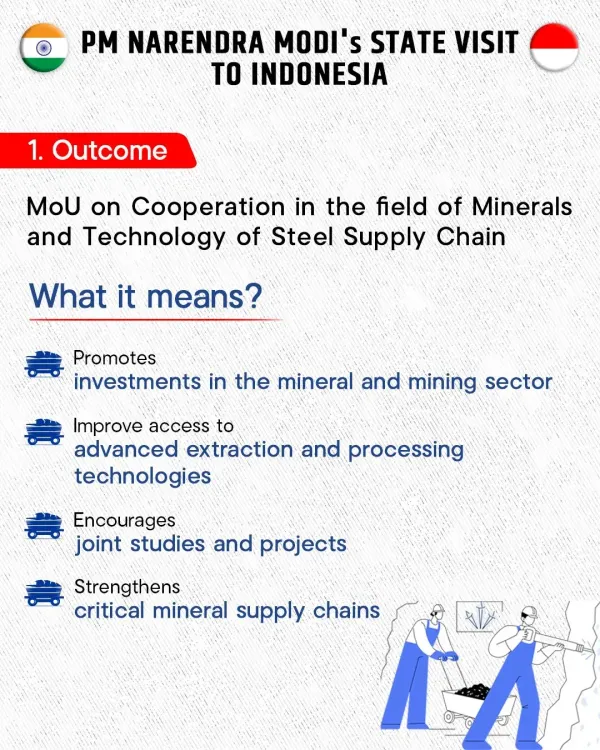
Attention will now turn to the follow-up on any memoranda of understanding or agreements signed during the visit, and their implementation timelines. Analysts will also watch whether the momentum feeds into Modi's next scheduled multilateral engagements, including the annual ASEAN-India Summit.
With both nations holding significant sway in the Global South, a strengthened India-Indonesia axis could influence the broader regional agenda on trade, climate finance and digital connectivity in the months ahead.
Point of View
Not just transactional diplomacy. The language mirrors the framing used after the 2018 Comprehensive Strategic Partnership elevation, suggesting New Delhi is building a layered, durable ASEAN anchor in its Indo-Pacific calculus. For the BJP government, high-profile bilateral outcomes in Southeast Asia serve a dual purpose: advancing the Act East Policy's institutional legacy and demonstrating India's growing stature as a net security and economic provider in the region. The visit reinforces a broader pattern of Modi-era diplomacy that uses personal summitry to lock in frameworks that outlast individual electoral cycles.
NationPress
5 Oct 2026
Frequently Asked Questions
What did PM Modi say about his Indonesia visit?
PM Modi said the outcomes of his Indonesia visit were 'comprehensive, substantive and futuristic,' and expressed confidence that India-Indonesia friendship would keep scaling new heights.
What is the India-Indonesia Comprehensive Strategic Partnership?
The Comprehensive Strategic Partnership is a bilateral framework formalised in 2018 during Modi's previous visit to Indonesia, covering defence cooperation, maritime engagement and trade.
What is India's Act East Policy and how does it relate to Indonesia?
India's Act East Policy, launched in 2014, aims to deepen connectivity, commerce and security links with ASEAN nations. Indonesia, as ASEAN's largest economy, is a central pillar of this policy.
Why is the India-Indonesia relationship important for the Indo-Pacific?
Both nations support a free, open and rules-based Indo-Pacific order. Their cooperation on maritime security, trade corridors and defence exercises gives them combined influence over critical sea lanes including the Malacca Strait.
What happens after Modi's Indonesia visit?
The focus shifts to implementing any agreements or memoranda signed during the visit, and to Modi's upcoming multilateral engagements such as the ASEAN-India Summit.