PM Modi in Jakarta for Talks with President Prabowo Subianto
Synopsis
Prime Minister Narendra Modi is in Jakarta for bilateral talks with Indonesian President Prabowo Subianto on 7 July 2026. The visit advances India's Act East Policy and builds on the Comprehensive Strategic Partnership the two nations established in 2018.
Key Takeaways
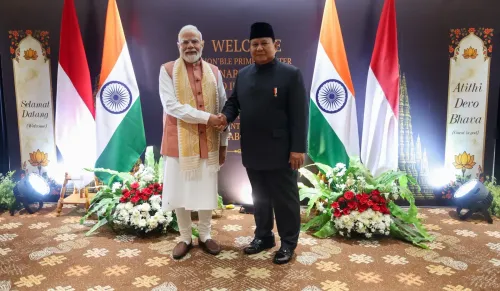
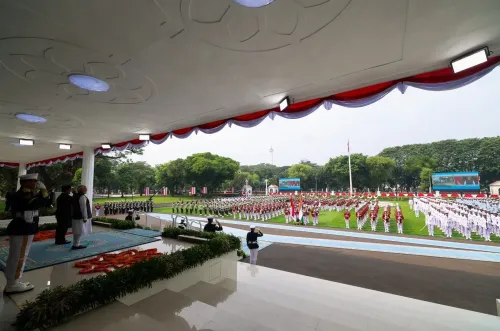
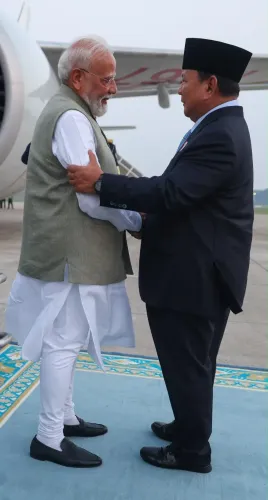
Prime Minister Narendra Modi received a ceremonial welcome in Jakarta on the evening of 7 July 2026 ahead of talks with President Prabowo Subianto .
India and Indonesia share a Comprehensive Strategic Partnership established during Modi's 2018 visit marking 70 years of diplomatic ties.
The visit is a key moment in India's Act East Policy , which prioritises engagement with ASEAN nations and the Indo-Pacific.
Jakarta hosts the permanent ASEAN Secretariat , adding multilateral significance to the bilateral meeting.
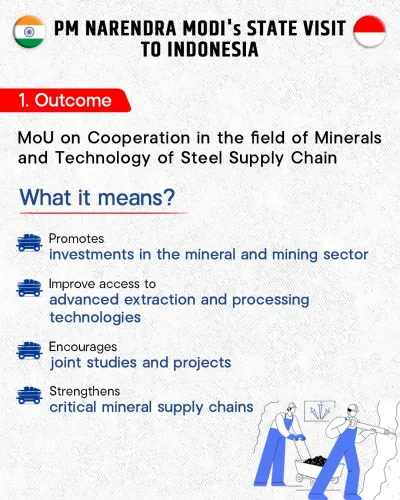
A joint statement or memoranda of understanding are expected following the summit, with follow-up likely at the next ASEAN-India Summit .
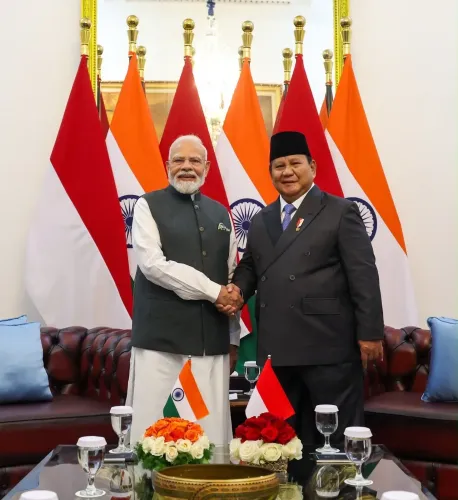
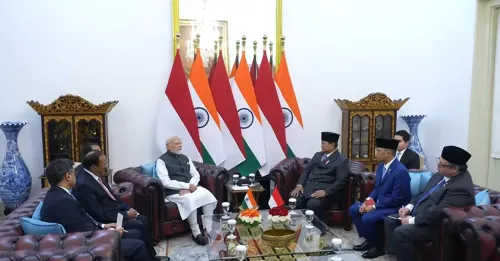
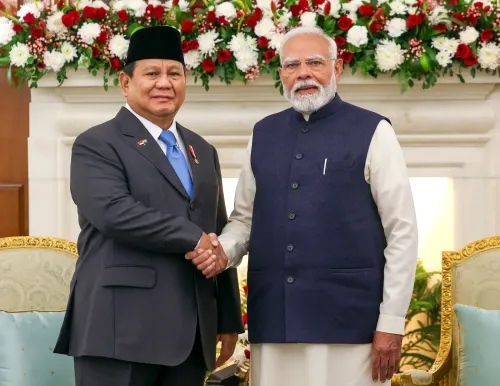
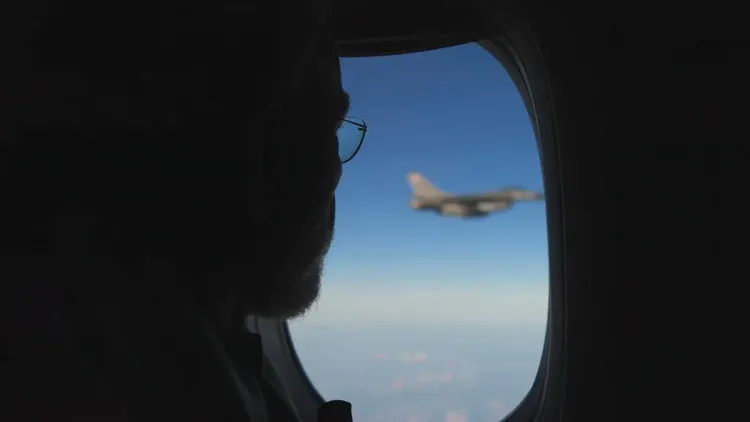
Prime Minister Narendra Modi arrived in Jakarta, Indonesia, where he received a ceremonial welcome on the evening of Monday, 7 July 2026, ahead of scheduled bilateral talks with President Prabowo Subianto. Modi shared highlights of the reception on social media, expressing anticipation for the day's discussions with the Indonesian president.
Context
Modi described the welcome as 'very special' and tagged President Prabowo directly, signalling the personal warmth underpinning what is a strategically significant bilateral engagement. The visit marks one of the first high-level in-person meetings between Modi and Prabowo since the latter's inauguration in October 2024. Jakarta also serves as the permanent seat of the ASEAN Secretariat, lending added diplomatic weight to the location.
Policy Backdrop
India and Indonesia elevated their relationship to a Comprehensive Strategic Partnership during Modi's 2018 visit, which coincided with 70 years of diplomatic ties between the two nations. The partnership spans maritime security, defence cooperation, trade, and connectivity — pillars that have been reinforced at successive multilateral forums. Modi's attendance at the G20 Summit in Bali in November 2022 and India's hosting of the ASEAN-India Commemorative Summit in New Delhi in January 2023 reflect the sustained cadence of engagement.
The visit fits squarely within India's Act East Policy, which prioritises deepened ties with ASEAN nations and the broader Indo-Pacific. Indonesia, as ASEAN's largest member by population and territory, and as a nation astride critical sea lanes connecting the Indian Ocean to the Pacific, occupies a central place in that strategic calculus.
Stakeholders and Impact
The diplomatic corps of both countries, defence cooperation partners, and trade and investment communities on either side will watch the outcome of the talks closely. India and Indonesia are both G20 members, and any convergence on multilateral positions — from climate finance to global supply chain resilience — carries weight beyond the bilateral frame. Maritime security arrangements and connectivity projects linking South Asia to Southeast Asia are among the areas where joint frameworks have historically been advanced during such visits.
Business stakeholders in sectors including pharmaceuticals, digital infrastructure, and energy are also likely to follow any memoranda of understanding or joint statements that emerge from the Modi-Prabowo meeting.
What's Next
A joint statement or signing of memoranda of understanding is customary following a bilateral summit of this nature, and observers will look for any new deliverables that build on the Comprehensive Strategic Partnership framework. The next ASEAN-India Summit and East Asia Summit cycles provide natural follow-up venues for any commitments made in Jakarta. The Modi-Prabowo meeting also sets the tone for Indonesia's engagement with India as Jakarta deepens its own Indo-Pacific partnerships in the years ahead.
Point of View
Coming early in Prabowo's presidency and signalling New Delhi's intent to shape the bilateral agenda before multilateral forums set the pace. Indonesia's command of critical sea lanes and its ASEAN leadership role make it an indispensable partner for India's maritime and connectivity ambitions. The personal warmth Modi projects — tagging Prabowo directly and calling the welcome 'very special' — is consistent with his leader-to-leader diplomacy style, which has historically been used to accelerate institutional frameworks. The visit also reinforces that India views ASEAN's largest member not merely as a trade partner but as a co-architect of the regional order.
NationPress
6 Oct 2026
Frequently Asked Questions
Why is PM Modi visiting Jakarta in July 2026?
PM Modi is in Jakarta for bilateral talks with Indonesian President Prabowo Subianto, aimed at advancing the India-Indonesia Comprehensive Strategic Partnership across defence, trade, maritime security, and connectivity.
What is the India-Indonesia Comprehensive Strategic Partnership?
The Comprehensive Strategic Partnership was established during Modi's 2018 visit to Indonesia, which marked 70 years of diplomatic relations. It covers defence cooperation, maritime security, trade, and people-to-people ties.
Is this Modi's first meeting with President Prabowo Subianto?
It is among the first high-level in-person bilateral meetings since Prabowo Subianto was inaugurated as Indonesia's president in October 2024, making it a significant early engagement between the two leaders.
What is India's Act East Policy and how does Indonesia fit in?
India's Act East Policy prioritises strategic and economic engagement with ASEAN nations and the broader Indo-Pacific. Indonesia, as ASEAN's largest member and a G20 nation astride key sea lanes, is a central partner in this framework.
What outcomes are expected from the Modi-Prabowo talks in Jakarta?
Observers expect a joint statement and possibly memoranda of understanding on areas such as maritime security, trade, and connectivity. Follow-up engagement is likely at the next ASEAN-India Summit or East Asia Summit.