PM Modi Backs India-Indonesia Ties in Space, AI, and Digital Tech
Synopsis
Prime Minister Narendra Modi on 7 July 2026 announced that India and Indonesia have agreed to closely collaborate on space, telecommunications, artificial intelligence, and Digital Public Infrastructure, deepening a Comprehensive Strategic Partnership first established in 2018 under India's Act East Policy.
Key Takeaways
PM Modi posted in Indonesian on 7 July 2026 , signalling direct bilateral diplomatic outreach to Indonesian audiences.
Both nations agreed to cooperate closely on space, telecommunications, artificial intelligence, and Digital Public Infrastructure .
The partnership builds on the Comprehensive Strategic Partnership established between India and Indonesia in 2018 .
India's DPI stack — including systems such as Aadhaar and UPI — is central to the digital cooperation framework being offered to partner nations.
ISRO is a key institutional anchor for any bilateral space collaboration with Indonesia.
Follow-up MoUs and joint working groups on AI, space, and DPI are expected through upcoming bilateral or ASEAN-India mechanisms.
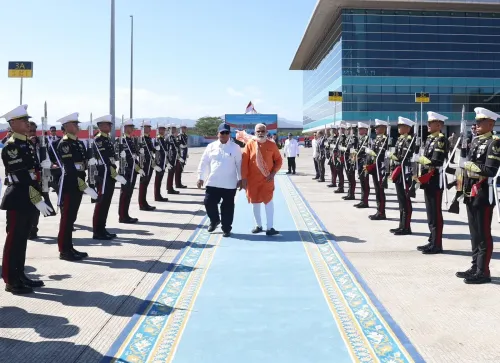
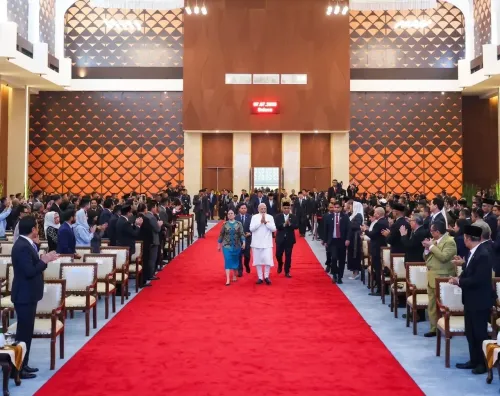
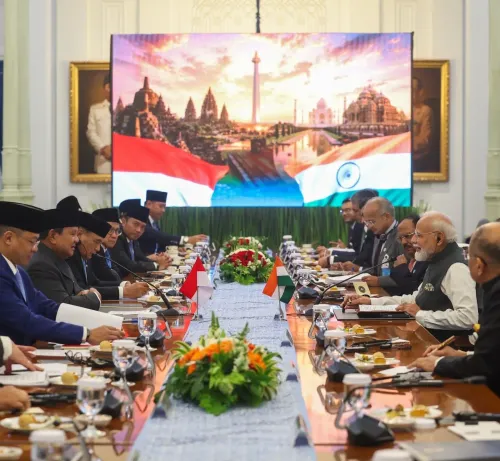
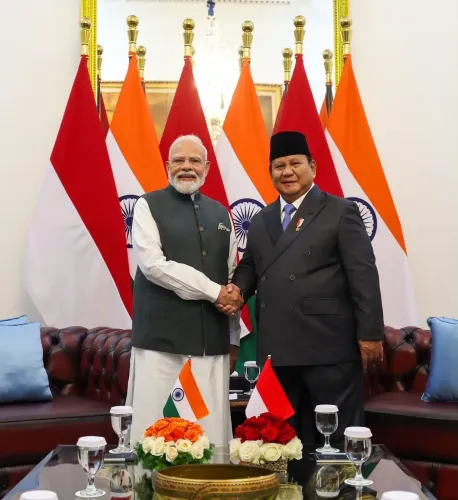
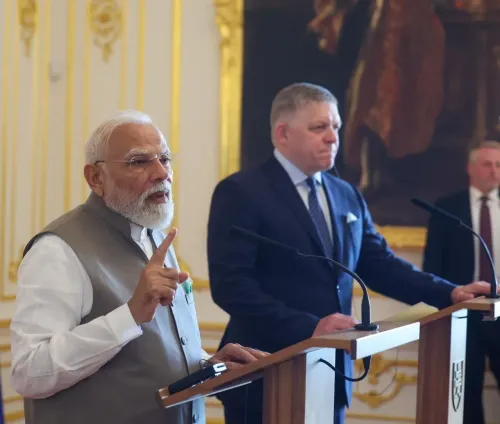
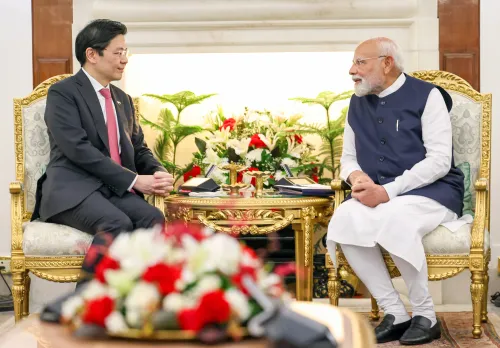
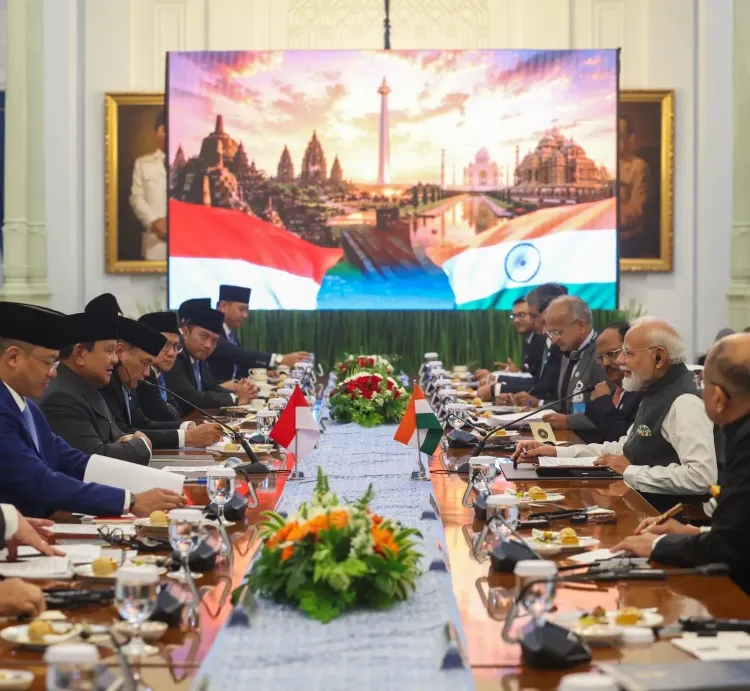
Prime Minister Narendra Modi on Tuesday, 7 July 2026 reaffirmed India's commitment to deepening technology cooperation with Indonesia, stating that both nations had agreed to work closely across domains including space, telecommunications, artificial intelligence, and Digital Public Infrastructure (DPI). The announcement came via a post on X that also carried images from what appeared to be a bilateral engagement between the two countries.
In his post, written in Indonesian, PM Modi stated — translated to English — 'Melihat ke depan, kami sepakat bahwa kedua bangsa kita harus bekerja sama secara erat' ('Looking ahead, we have agreed that our two nations must work together closely') across areas such as space, telecommunications, AI, Digital Public Infrastructure, and other emerging digital technologies.
Context
India and Indonesia share a Comprehensive Strategic Partnership established in 2018 during PM Modi's earlier visit to Jakarta, which had already anchored technology and maritime cooperation as twin pillars. The latest statement signals a forward push into next-generation domains — space, AI, and DPI — building on that foundational framework.
The post's use of Indonesian language underscores the diplomatic intent, signalling direct outreach to Indonesian audiences and reinforcing the partnership's bilateral character rather than a multilateral forum statement.
Policy Backdrop
India's Act East Policy, articulated since 2014, has consistently guided expanded digital and strategic engagement with ASEAN nations. Technology cooperation — particularly the export of India's DPI stack, which includes systems such as Aadhaar and UPI — has become a signature element of this outreach.
ISRO, India's space agency, has an active mandate for international collaboration in satellite and space technology, making it a natural institutional anchor for any India-Indonesia space cooperation framework. Parallel to space, India has been positioning its AI and digital standards as an alternative model for inclusive technology adoption across the Indo-Pacific.
Stakeholders and Impact
The sectors named — space, telecommunications, AI, and DPI — span both government agencies and private industry. Technology companies, space startups, and digital infrastructure firms in both countries stand to benefit from any resulting joint working groups or bilateral agreements.
For Indonesia, adoption of India's DPI model could accelerate financial inclusion and digital governance at scale, given the archipelago's large unbanked population. For India, the partnership reinforces its positioning as a provider — not just a consumer — of emerging digital technologies in the region.
What's Next
Follow-up mechanisms such as joint working groups or Memoranda of Understanding on AI, space, and DPI implementation are expected to be formalised through upcoming India-Indonesia bilateral channels or at ASEAN-India summits. The explicit naming of multiple high-technology domains in a single bilateral statement suggests structured negotiations are already underway rather than aspirational intent alone.
The broader pattern of India's technology diplomacy across Southeast Asia indicates that agreements of this nature are increasingly accompanied by institutional delivery frameworks — a signal that both governments are moving toward implementation rather than declaration.
Point of View
AI, telecommunications, and DPI in a single statement reflects India's maturing strategy of bundling its technology exports into a comprehensive offer rather than pursuing piecemeal agreements. This aligns with a broader arc in which India is actively competing with China to set digital and infrastructure standards across the Indo-Pacific. The emphasis on DPI in particular signals that India views the Indonesia relationship as a potential showcase for the scalability of its homegrown digital governance model.
NationPress
6 Oct 2026
Frequently Asked Questions
What did PM Modi agree with Indonesia on 7 July 2026?
PM Modi announced that India and Indonesia agreed to work closely together on space, telecommunications, artificial intelligence, Digital Public Infrastructure, and other emerging digital technologies.
What is India's Digital Public Infrastructure and why does it matter for Indonesia?
India's Digital Public Infrastructure refers to foundational digital systems such as Aadhaar (biometric identity) and UPI (payments). For Indonesia, adopting elements of this model could accelerate financial inclusion and digital governance across its large archipelago population.
What is the India-Indonesia Comprehensive Strategic Partnership?
The Comprehensive Strategic Partnership was established in 2018 during PM Modi's visit to Jakarta, anchoring technology, maritime, and strategic cooperation as core pillars of the bilateral relationship.
How does this agreement fit into India's Act East Policy?
India's Act East Policy, articulated since 2014, prioritises expanded engagement with ASEAN nations in digital, strategic, and economic domains. The India-Indonesia technology cooperation agreement is a direct expression of this policy framework.
What role does ISRO play in India-Indonesia space cooperation?
ISRO, India's space agency, has an international collaboration mandate covering satellite technology and space sciences, making it the primary institutional vehicle for any bilateral space partnership with Indonesia.