Apple may expand India manufacturing beyond iPhones, 3 Indian brands in pipeline: Vaishnaw
Synopsis
India's electronics ambitions just got a two-front push: Minister Ashwini Vaishnaw confirmed Apple is eyeing a manufacturing expansion beyond iPhones in India, while the government is quietly grooming three Indian smartphone challengers to enter the market within 10-14 months — a signal that New Delhi wants to own the brand layer of the smartphone market, not just the factory floor.
Key Takeaways
Minister Ashwini Vaishnaw confirmed on 21 August that Apple may expand India manufacturing beyond iPhones .
The government is working with three Indian smartphone companies expected to be market-ready in 10-14 months .
Indian players have indicated a preference for the high-volume segment ; government will vet their IP and design quality before extending support.
The newly notified Mobile Phone Manufacturing Scheme (MPMS) has two segments — one for manufacturers, one for Indian brands — with a one-year gestation period for new entrants.
Eligibility requires a minimum FY26 turnover of ₹10,000 crore for manufacturers and ₹1,000 crore for EMS companies.
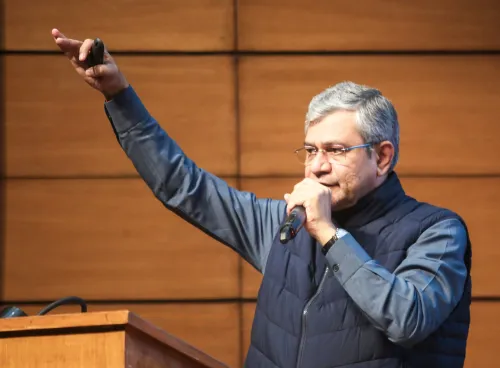
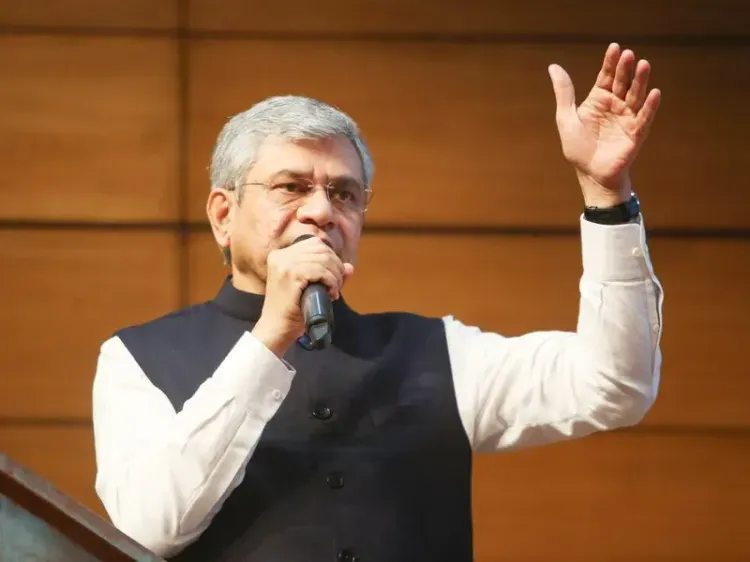
Union Electronics and IT Minister Ashwini Vaishnaw on Friday, 21 August signalled that Apple could broaden its manufacturing presence in India well beyond iPhone production, while also revealing that the government is actively working with three potential Indian smartphone brands that could be market-ready within 10 to 14 months. The remarks, made in New Delhi, mark the most explicit government indication yet of a push to transform India from an assembly hub into a full-spectrum electronics ecosystem.
Apple's Potential Expansion
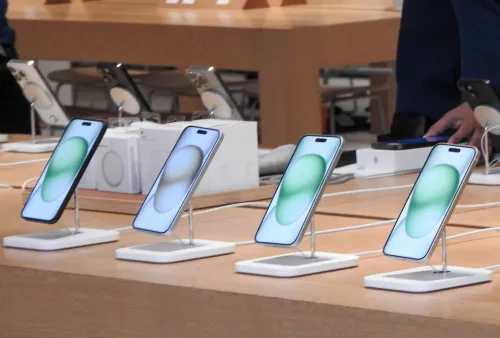
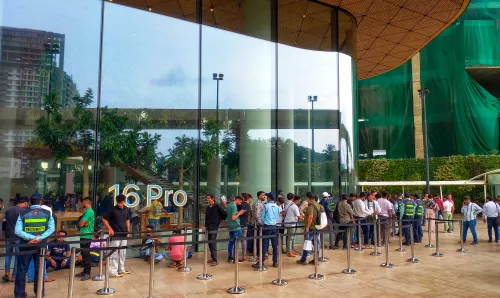
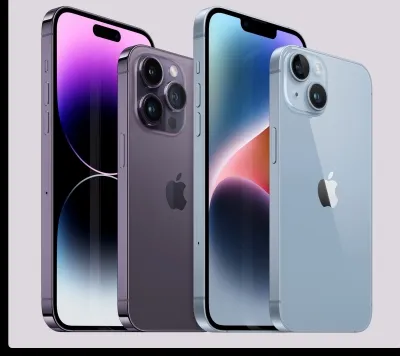
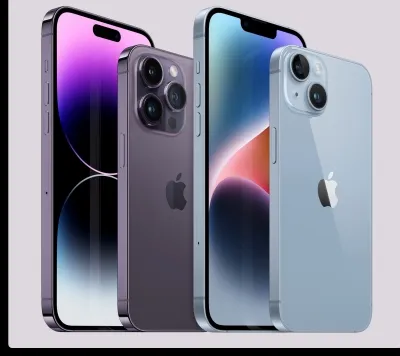
When asked directly whether Apple could manufacture products other than iPhones in India, Vaishnaw responded with an unequivocal 'yes'. While the minister did not elaborate on which product lines — such as MacBooks, iPads, or AirPods — could be next, the signal is significant given Apple's already rapid ramp-up of iPhone assembly in the country through contract partners. This comes amid a broader global effort by Apple to diversify its supply chain away from China.
Three Indian Smartphone Players on the Horizon
Vaishnaw disclosed that the government has engaged three Indian companies and asked them to develop best-in-segment smartphone designs. These players have been directed to identify the market segments — economy, premium, or super-premium — where they are most competitive. According to the minister, the Indian companies have indicated a preference for the high-volume segment.
However, Vaishnaw was clear that government support is not automatic. 'At this point, I see three potential Indian smartphone players coming up in 10-14 months,' he said, adding that the government will rigorously evaluate their intellectual property and design quality before extending any financial backing.
The Mobile Phone Manufacturing Scheme
Vaishnaw's comments follow the government's recent notification of the Mobile Phone Manufacturing Scheme (MPMS), a structured policy framework designed to incentivise domestic production and nurture homegrown smartphone brands. The scheme is split into two segments: Target Segment 1 focuses on incentivising mobile phone manufacturing broadly, while Target Segment 2 is specifically aimed at supporting Indian brands.
Applicants under Target Segment 2 will receive a one-year gestation period to establish operations before they become eligible to claim incentives — a provision intended to give nascent Indian brands a runway to scale.
Eligibility and Thresholds
Under the MPMS, mobile phone manufacturers registered in India must have a minimum turnover of ₹10,000 crore in FY26 to participate. Existing brands seeking incentives must achieve additional sales of ₹5,000 crore over their total FY26 sales in each financial year for which they claim benefits. For electronics manufacturing services (EMS) companies, the minimum FY26 turnover threshold for eligibility is set at ₹1,000 crore.
What This Means for India's Electronics Ambitions
India has rapidly emerged as the world's second-largest smartphone manufacturer, yet the sector has been dominated by foreign brands — chiefly Chinese players and Apple — with domestically designed and branded devices largely absent at scale. The government's dual-track approach, attracting global giants like Apple while simultaneously incubating Indian challengers, reflects an attempt to address both the volume and the value dimensions of the electronics supply chain. Notably, this is the clearest policy signal yet that the Centre wants India to own not just the factory floor but also the brand layer of the smartphone market.
With the MPMS framework now in place and Apple reportedly evaluating a broader product mix, the next 12 to 18 months will be pivotal in determining whether India's electronics ambitions move from assembly to innovation.
Point of View
From Indonesia to Brazil, has struggled against entrenched Chinese cost structures. The MPMS gestation period and IP scrutiny clauses are sensible guardrails, but ₹10,000 crore turnover thresholds effectively lock out genuine startups. The three unnamed players are almost certainly established electronics or conglomerate-backed entities — not scrappy innovators. India may end up with Indian-branded phones assembled with imported components and licensed designs, which is a step forward but not the indigenous technology play the policy implies.
NationPress
21 Aug 2026
Frequently Asked Questions
What did Ashwini Vaishnaw say about Apple expanding manufacturing in India?
Minister Ashwini Vaishnaw confirmed on 21 August that Apple could expand its manufacturing footprint in India beyond iPhone production, responding 'yes' when asked directly. He did not specify which product lines are under consideration.
Who are the three Indian smartphone players the government is backing?
The government has not publicly named the three Indian companies. Vaishnaw said they have been asked to develop best-in-segment designs and identify their preferred market segments, with government support contingent on IP quality and design evaluation.
What is the Mobile Phone Manufacturing Scheme (MPMS)?
The MPMS is a recently notified government scheme with two segments: one to incentivise mobile phone manufacturing broadly, and one to support Indian smartphone brands. New brand entrants receive a one-year gestation period before claiming financial incentives.
Who is eligible to apply under the MPMS?
Mobile phone manufacturers registered in India with a minimum FY26 turnover of ₹10,000 crore are eligible. EMS companies need a minimum FY26 turnover of ₹1,000 crore. Existing brands must also achieve additional sales of ₹5,000 crore over their FY26 baseline each year they claim incentives.
Why is the government pushing for Indian smartphone brands now?
India is already the world's second-largest smartphone manufacturer, but the market is dominated by foreign — primarily Chinese — brands. The government wants to move beyond contract assembly and build a domestic brand and design ecosystem, addressing both volume and value in the electronics supply chain.