India-Australia-UK-New Zealand trade ties: Key sectors and growth scope
Synopsis
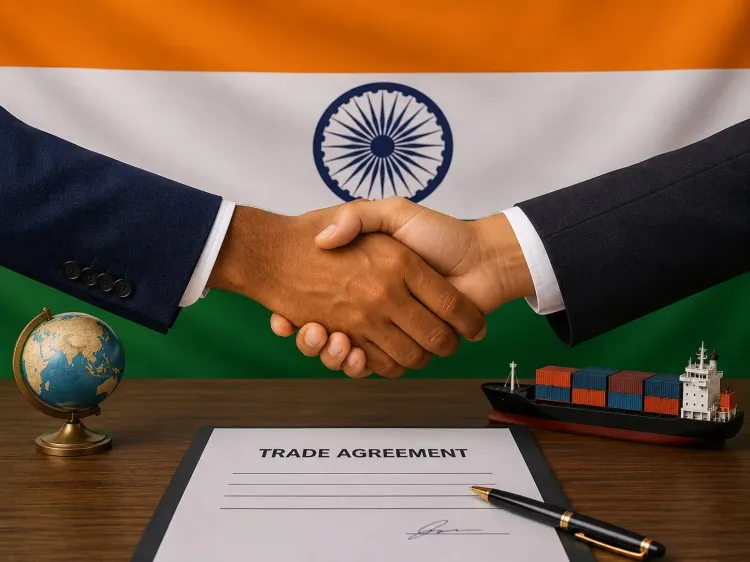
Three Anglophone economies — Australia, the UK, and New Zealand — are simultaneously deepening trade ties with India, covering everything from lithium mining to apple yields. With the India-UK CETA granting zero duty on 99% of Indian goods and Australia flagging critical mineral investment opportunities, these partnerships signal a strategic realignment that goes well beyond routine bilateral commerce.
Key Takeaways
Paul Murphy , Australian Consul General in Mumbai, described India-Australia trade as a 'two-way street' with complementary economic strengths.
CSIRO scientists are working with Indian researchers to assess India's resource base, including potential use of lithium — Australia is the world's largest lithium exporter.
The India-UK CETA grants zero duty to 99 per cent of Indian products in the UK, covering investment, services, and people mobility.
Mishra , Additional Director General of Foreign Trade, called the India-UK CETA India's 'most ambitious trade agreement.' New Zealand's average apple yield of 50,000 tonnes per hectare compares with India's 8,000 tonnes , highlighting scope for agriculture cooperation.
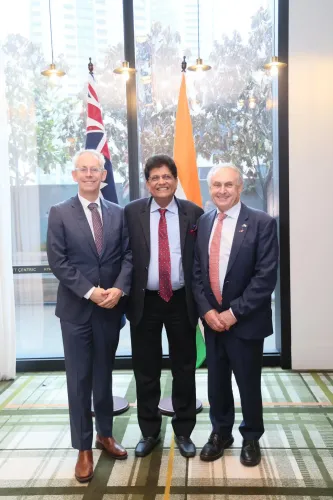
Officials from all three countries spoke at an event in Mumbai on 21 August .
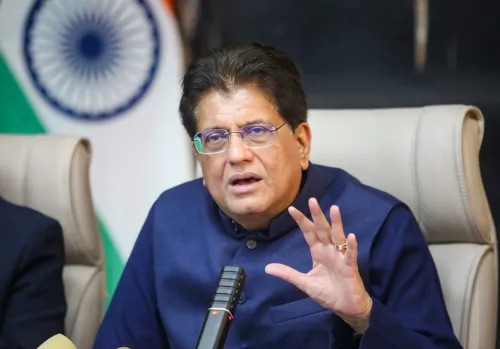
India's trade relationships with Australia, the United Kingdom, and New Zealand are broadening rapidly, with officials from all three countries on Friday, 21 August in Mumbai pointing to complementary economic strengths that span goods, services, investment, sports, critical minerals, and agriculture. The remarks came as bilateral frameworks with each of these nations move from negotiation to implementation.
India-Australia: A Two-Way Economic Street
Paul Murphy, Australian Consul General in Mumbai, said the trade relationship between India and Australia must be understood as genuinely reciprocal. 'For us, we see trade as a two-way street. We recognise the complementarity between the Indian and Australian economies,' Murphy said, noting that Australia cannot efficiently produce everything it needs, while India's large and diverse population creates demand that Australian businesses are well-placed to address.
Beyond conventional trade, Murphy highlighted the Australia-India Sports Collaboration Roadmap as an example of expanding cooperation into non-traditional areas. On the critical minerals front, scientists from CSIRO — Australia's national science agency — have been working alongside Indian researchers to assess India's resource base and explore the use of minerals including lithium. Australia is the world's largest exporter of lithium and holds a broad portfolio of other critical minerals that, according to Murphy, represent significant investment opportunities for Indian industry.
India-UK CETA: India's Most Ambitious Trade Pact
R.K. Mishra, Additional Director General of Foreign Trade, described the India-UK Comprehensive Economic and Trade Agreement (CETA) as India's most ambitious trade agreement to date. 'The key feature of this agreement is that it is India's most ambitious trade agreement,' Mishra said, adding that 99 per cent of Indian products will now face zero duty in the UK market. The pact also covers investment, people mobility, and services — areas that go well beyond traditional goods-based trade deals.
This comes amid a broader push by India to lock in preferential access to major Western markets. The India-UK CETA, finalised after years of negotiation, is widely seen as a template for future agreements India may pursue with other developed economies.
New Zealand Eyes Agriculture Cooperation
Graham Rouse, New Zealand Trade Commissioner and Consul General for India and South Asia, pointed to agriculture — particularly horticulture — as a high-potential area for bilateral cooperation. He cited a striking productivity gap in apple cultivation: the average yield per hectare in New Zealand stands at around 50,000 tonnes, compared with approximately 8,000 tonnes per hectare in India. Rouse noted that the two countries' production seasons are complementary, creating a natural basis for trade and knowledge exchange.
Why These Partnerships Matter Now
India's simultaneous engagement with three Anglophone economies reflects a strategic diversification of its trade architecture, reducing dependence on any single partner or region. Notably, all three countries — Australia, the UK, and New Zealand — are members of the Five Eyes intelligence alliance, and deepening economic ties carry a geopolitical dimension as well. With China-linked supply chain concerns prompting Western partners to seek alternative sources for critical goods, India's positioning as a reliable partner in minerals, IT services, and manufacturing is gaining traction.
As implementation of these agreements progresses, the depth of actual trade flows — not just headline frameworks — will determine whether the complementarity officials describe translates into measurable economic gains for both sides.
Point of View
But the real test is utilisation: past preferential agreements with the EU and ASEAN saw Indian exporters underuse tariff concessions due to compliance costs. On critical minerals, Australia's lithium pitch to India is as much about securing a long-term buyer as it is about Indian industrialisation. New Delhi should negotiate from that position of strength, not just as a grateful recipient of market access.
NationPress
21 Aug 2026
Frequently Asked Questions
What is the India-UK Comprehensive Economic and Trade Agreement (CETA)?
The India-UK CETA is a bilateral trade agreement described by Indian officials as India's most ambitious trade deal to date. It grants zero duty to 99 per cent of Indian products in the UK market and covers investment, people mobility, and services in addition to goods trade.
Why is Australia important for India's critical minerals strategy?
Australia is the world's largest exporter of lithium and holds a wide range of other critical minerals essential for electric vehicles, batteries, and clean energy technology. CSIRO scientists are already working with Indian researchers to assess India's own resource base and explore mineral utilisation opportunities.
What agricultural cooperation is New Zealand proposing with India?
New Zealand Trade Commissioner Graham Rouse highlighted a major productivity gap in apple cultivation — New Zealand yields around 50,000 tonnes per hectare versus India's 8,000 tonnes — and noted that complementary production seasons make bilateral trade and knowledge-sharing a natural fit.
Who spoke at the India trade event in Mumbai on 21 August?
The event featured Paul Murphy (Australian Consul General in Mumbai), R.K. Mishra (Additional Director General of Foreign Trade, India), and Graham Rouse (New Zealand Trade Commissioner and Consul General for India and South Asia).
How do these trade partnerships fit into India's broader economic strategy?
India's simultaneous engagement with Australia, the UK, and New Zealand reflects a deliberate diversification of its trade architecture. With Western partners seeking alternatives to China-linked supply chains, India is positioning itself as a reliable partner in critical minerals, IT services, and manufacturing.