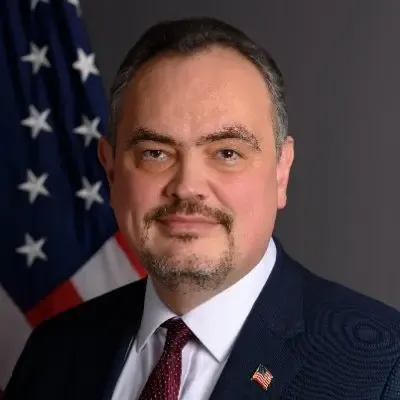
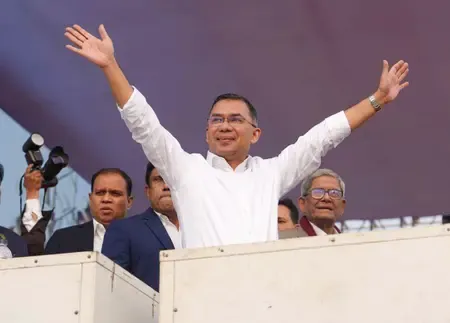
Mirza Fakhrul Islam Alamgir sworn in as Bangladesh's 23rd President
Synopsis
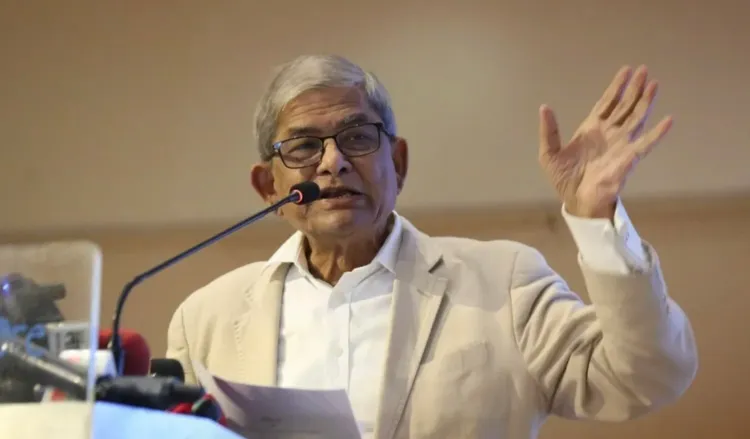
Bangladesh just held its first contested presidential election in over 34 years — and BNP's Mirza Fakhrul Islam Alamgir won it decisively, 255 votes to 88, over a Jamaat-backed rival. His swearing-in at Bangabhaban on 21 August marks a historic consolidation of BNP's grip on power, with the party now holding both the presidency and the prime ministership.
Key Takeaways
Mirza Fakhrul Islam Alamgir was sworn in as Bangladesh's 23rd President on 21 August at Bangabhaban , Dhaka.
He won the parliamentary election with 255 votes against rival Oli Ahmed 's 88 votes out of 343 valid votes .
This was Bangladesh's first contested presidential election in over 34 years , breaking a convention unbroken since 1991 .
The presidency fell vacant after President Mohammed Shahabuddin resigned on 24 July .
Fakhrul served as BNP's longest-serving Secretary General for over 15 years before this elevation.
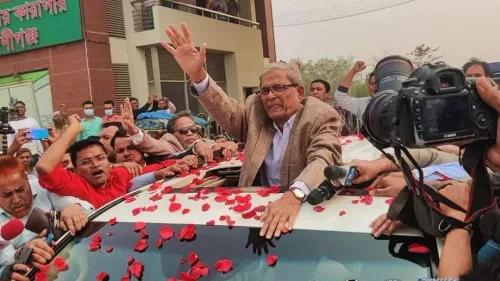
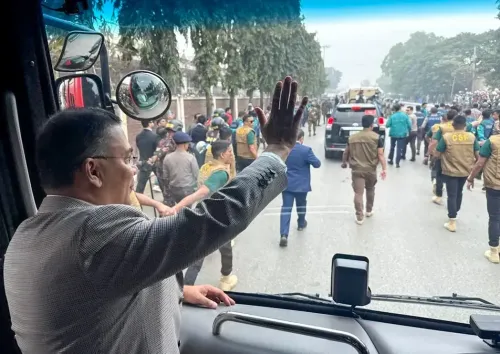
Mirza Fakhrul Islam Alamgir, the veteran leader of the Bangladesh Nationalist Party (BNP), was sworn in as the 23rd President of Bangladesh on Friday, 21 August at Bangabhaban, the official presidential residence in Dhaka. The oath was administered by Acting Speaker Barrister Kayser Kamal, according to Bangladeshi media reports.
Who Attended the Swearing-In
The ceremony drew a prominent gathering of state dignitaries. Outgoing acting President Hafiz Uddin Ahmad, Prime Minister Tarique Rahman, Chief Justice Zubayer Rahman Chowdhury, and former Chief Adviser of the interim government Prof Muhammad Yunus were among those present at Bangabhaban, reports said.
The Election That Made History
Fakhrul's path to the presidency came through a landmark parliamentary vote held on Thursday afternoon in the national Parliament, supervised by Chief Election Commissioner (CEC) and Returning Officer A M M Nasir Uddin. He secured 255 votes out of 343 valid votes cast, defeating Oli Ahmed — the candidate backed by the Jamaat-e-Islami-led 11-party alliance — who managed only 88 votes.
The contest was the first contested presidential election in Bangladesh in more than three and a half decades, breaking a longstanding convention of electing presidents unopposed — a practice that had persisted since 1991. The last time a presidential election was decided by ballot in Parliament was on 8 October 1991.
Why the Presidency Fell Vacant
Speaker of the National Parliament Hafiz Uddin Ahmed had been serving as acting President following the resignation of President Mohammed Shahabuddin on 24 July. Under Bangladesh's Constitution, a new President must be elected within 90 days of the office falling vacant — a constitutional deadline that shaped the urgency of this election.
Fakhrul's Rise Within BNP
For over 15 years, Fakhrul served as BNP's effective second-in-command, becoming the party's longest-serving Secretary General and one of its most recognisable public faces. During the party's turbulent years — when Tarique Rahman was in exile in London and former BNP chief Khaleda Zia faced imprisonment, house arrest, and prolonged illness — Fakhrul remained the senior leader physically present in Bangladesh, maintaining contact with party workers and executing party decisions on the ground, according to The Daily Star.
His elevation to the presidency marks a significant moment for BNP, which now holds both the prime ministership and the head of state, consolidating its position at the apex of Bangladesh's political structure.
Point of View
The party has achieved a concentration of state power that invites scrutiny. The fact that this was the first contested presidential vote since 1991 is significant: it signals that the era of manufactured consensus in Bangladeshi politics may be giving way to genuine parliamentary contest — but also that the Jamaat-led alliance is willing to mount a formal challenge rather than abstain. Whether Fakhrul, long the party's loyal executor, can now act as a constitutional check on his own party's government is the question mainstream coverage has largely sidestepped.
NationPress
21 Aug 2026
Frequently Asked Questions
Who is Mirza Fakhrul Islam Alamgir?
Mirza Fakhrul Islam Alamgir is a senior leader of the Bangladesh Nationalist Party (BNP) and its longest-serving Secretary General, having held that role for over 15 years. He was sworn in as Bangladesh's 23rd President on 21 August at Bangabhaban in Dhaka.
How was Mirza Fakhrul elected President of Bangladesh?
Fakhrul was elected in a parliamentary ballot on Thursday, securing 255 of 343 valid votes cast, defeating Oli Ahmed — the candidate backed by the Jamaat-e-Islami-led 11-party alliance — who received 88 votes. The election was supervised by Chief Election Commissioner A M M Nasir Uddin.
Why was this Bangladesh presidential election historic?
It was the first contested presidential election in Bangladesh in more than 34 years, breaking a convention of electing presidents unopposed that had been in place since 1991. The last time a presidential election was decided by ballot in Parliament was on 8 October 1991.
Why did the presidential vacancy arise?
President Mohammed Shahabuddin resigned on 24 July, leaving the office vacant. Under Bangladesh's Constitution, a new President must be elected within 90 days of the vacancy, which drove the timeline for this election.
Who attended Fakhrul's swearing-in ceremony?
The ceremony at Bangabhaban was attended by Prime Minister Tarique Rahman, Chief Justice Zubayer Rahman Chowdhury, outgoing acting President Hafiz Uddin Ahmad, and former interim government Chief Adviser Prof Muhammad Yunus, among other dignitaries.