FIR complaint filed against Rahul Gandhi over Delhi sit-in protest
Synopsis
A Delhi advocate filed a complaint seeking an FIR against Rahul Gandhi for blocking the DCP office at Parliament Street Police Station — the very station that later, the same evening, registered an FIR in the pellet-gun case Gandhi had come to protest about. The sequence raises questions about whether the sit-in achieved its stated goal, and what legal exposure it now creates for the opposition leader.
Key Takeaways
Advocate Sanket Gupta filed a complaint on 21 August seeking an FIR against Rahul Gandhi and Congress workers under Section 189 of the Bharatiya Nyaya Sanhita, 2023 .
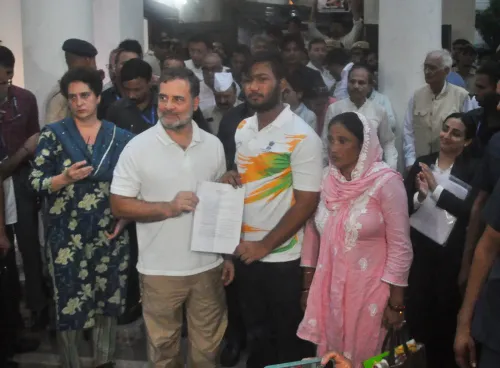
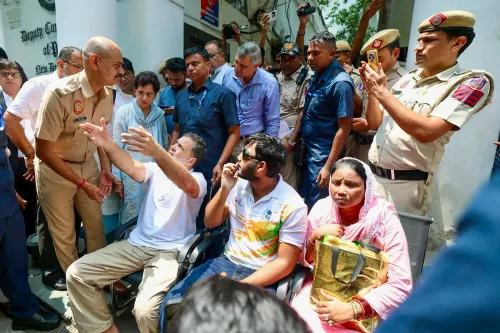
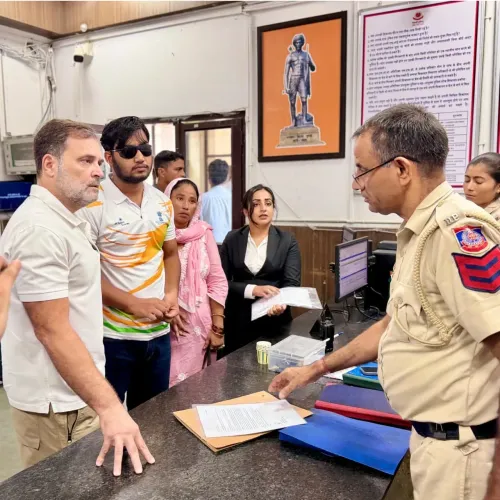
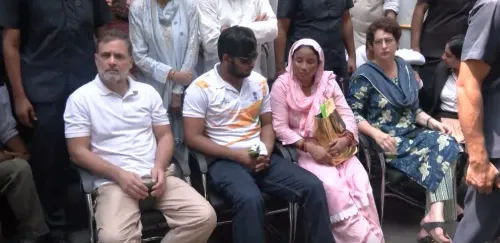
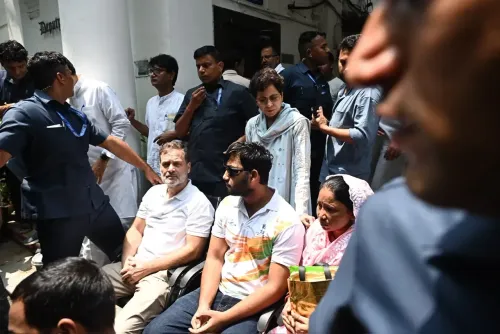
Gandhi had staged a sit-in outside the DCP office at Parliament Street Police Station, New Delhi , protesting the alleged refusal to register an FIR for a student who reportedly sustained pellet-gun injuries at Jantar Mantar .
Delhi Police lodged an FIR against unknown persons in the pellet-gun case later the same evening.
Gupta argued that gatherings of more than five persons are prohibited in the sensitive zone around the DCP office.
The complaint cites a Supreme Court ruling holding that protests must adhere to established rules and regulations.
Advocate Sanket Gupta on Friday, 21 August filed a complaint with Delhi Police seeking registration of a First Information Report (FIR) against Lok Sabha Leader of Opposition Rahul Gandhi and Congress workers for staging an allegedly unauthorised sit-in outside the Deputy Commissioner of Police's office at Parliament Street Police Station in New Delhi. The complaint was filed under Section 189 of the Bharatiya Nyaya Sanhita (BNS), 2023, which pertains to unlawful assembly.
Why the Sit-In Was Staged
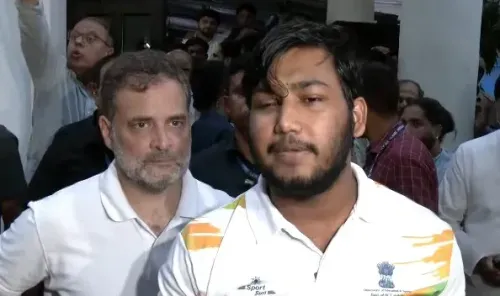
Gandhi had gathered with Congress workers and supporters to protest what the party claimed was the police's refusal to register an FIR on behalf of a student who allegedly sustained pellet-gun injuries during protests at Jantar Mantar last month. Those protests had demanded education reforms. Later the same evening, Delhi Police lodged an FIR against unknown persons on the complaint of the purported pellet-gun victim — a development that came after the sit-in drew public attention.
What the Complainant Said
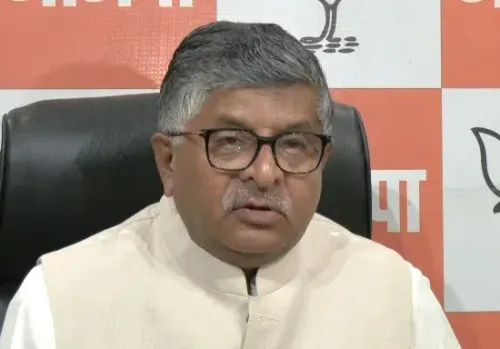
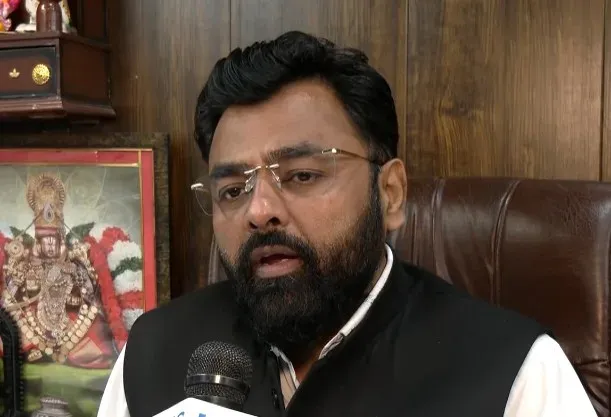
Gupta told reporters that he had visited the New Delhi District police office on unrelated personal work and was unable to meet the concerned officer due to the demonstration. 'I have filed a complaint with the Delhi Police that if a protest is being held there, the sit-in demonstration should be conducted according to the rule of law. No one has the right to take the law and the Constitution for granted and stage a protest,' he said.
Citing a Supreme Court ruling, Gupta added that even the apex court permits protests only within established rules and regulations. He argued that blocking the entry and exit of a police station for political purposes was 'completely wrong.'
Legal Basis of the Complaint
Gupta pointed to an existing legal provision applicable to the area, stating that any gathering of more than five persons is prohibited in that zone given its classification as a sensitive area of New Delhi. He contended that obstructing the DCP office gate — through which urgent complaints must pass — amounted to an unlawful assembly under the BNS. The complaint specifically names Gandhi alongside Congress workers and supporters.
Police Action and What Comes Next
Delhi Police registered an FIR against unknown persons in connection with the pellet-gun complaint on the same evening, effectively addressing the demand that had triggered the sit-in. It remains to be seen whether authorities will act on Gupta's complaint seeking an FIR against Gandhi and the Congress workers. The episode adds to a series of confrontations between the opposition and Delhi Police over protest permissions in the capital.
Point of View
And Delhi's courts have consistently upheld the right to peaceful protest. What the episode actually reveals is the tightening friction between the Congress's street-level pressure tactics and the capital's increasingly restrictive protest geography. Notably, Delhi Police registered the very FIR Gandhi was demanding on the same evening — suggesting the sit-in may have been more effective than the legal complaint filed against it. The real story is not the complaint, but why a student's pellet-gun FIR needed a Lok Sabha Leader of Opposition to personally intervene before police would act.
NationPress
21 Aug 2026
Frequently Asked Questions
Why did Advocate Sanket Gupta file a complaint against Rahul Gandhi?
Gupta filed the complaint alleging that Rahul Gandhi and Congress workers staged an unauthorised sit-in outside the DCP office at Parliament Street Police Station on 21 August, disrupting normal police functioning. He argued the gathering violated a local prohibition on assemblies of more than five persons in the sensitive New Delhi zone and constituted an unlawful assembly under Section 189 of the Bharatiya Nyaya Sanhita, 2023.
Why was Rahul Gandhi staging the sit-in at the police station?
Gandhi was protesting what the Congress claimed was the police's refusal to register an FIR for a student who allegedly suffered pellet-gun injuries during education-reform protests at Jantar Mantar last month. The sit-in was intended to pressure Delhi Police into registering the complaint.
Did Delhi Police register the FIR that Gandhi was demanding?
Yes. Delhi Police lodged an FIR against unknown persons in connection with the pellet-gun complaint later the same evening, after the sit-in drew public attention.
What law was cited in the complaint against Rahul Gandhi?
The complaint seeks action under Section 189 of the Bharatiya Nyaya Sanhita (BNS), 2023, which deals with unlawful assembly. Gupta also cited a Supreme Court ruling holding that protests must be conducted within established rules and regulations.
Can protests be held outside a police station in New Delhi?
According to Advocate Gupta, an existing legal provision prohibits gatherings of more than five persons in the area around the DCP office at Parliament Street, as it is classified as a sensitive zone in New Delhi. He argued that blocking the gate of the DCP office for political purposes was therefore unlawful.