US report flags civilian oversight gaps in Pakistan military budget
Synopsis
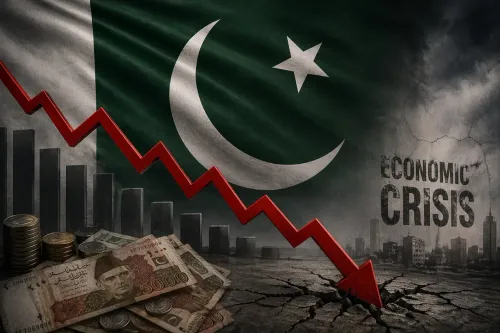
Washington is now publicly flagging what it spent decades enabling: a Pakistani military establishment that operates beyond civilian and parliamentary oversight, even as ordinary Pakistanis absorb IMF-mandated austerity. With Pakistan's defence budget up 17.6% to PKR 3 trillion — and key costs kept off the books — the US report raises accountability questions that cut to the core of Pakistan's democratic deficit.
Key Takeaways
The US State Department's 2026 Fiscal Transparency Report identified major gaps in civilian and parliamentary oversight of Pakistan's military and intelligence budgets.
Pakistan's defence allocation for 2026–27 is approximately PKR 3 trillion , a 17.6% rise over the previous year's initial figure — excluding military pensions and other off-budget defence costs.
The report warned that fiscal opacity in defence spending undermines investor confidence and raises corruption risks .
Geopolitical expert Sergio Restelli noted the irony of Washington criticising a system it helped build through decades of strategic engagement with the Pakistani military.
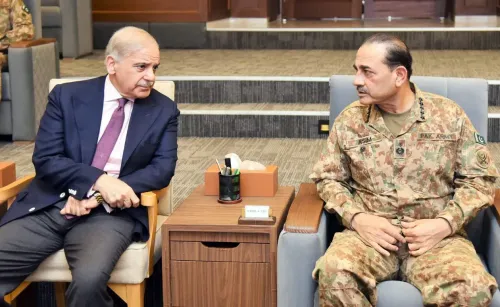
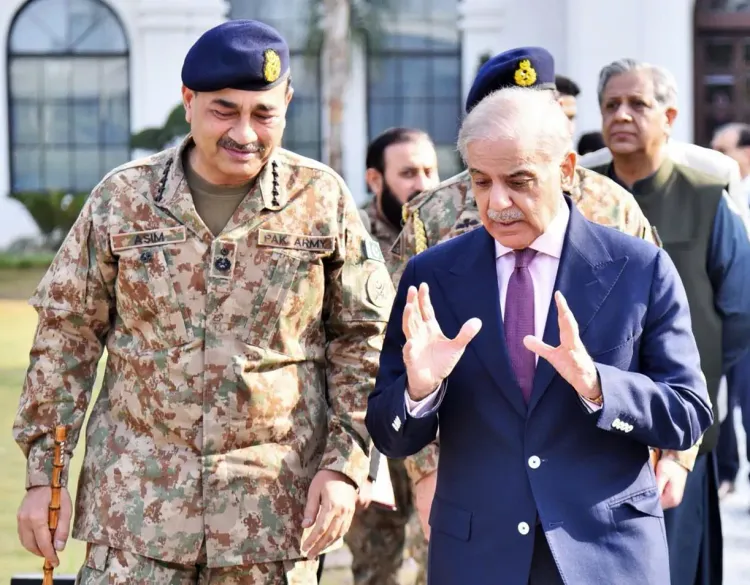
Army Chief Asim Munir continues to lead Pakistan's key diplomatic engagements, including at the White House , reflecting the military's dominance over civilian foreign policy.
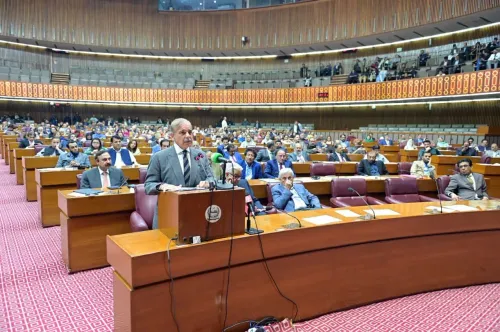
The US State Department's 2026 Fiscal Transparency Report has identified significant gaps in parliamentary and civilian oversight of Pakistan's military and intelligence budgets, calling for greater scrutiny of defence spending. The findings cast a sharp light on a structural contradiction at the heart of Pakistan's democratic system: elected representatives remain largely unable to hold the military establishment accountable for public expenditure.
Pakistan's Defence Budget Under the Microscope
Pakistan's defence allocation for 2026–27 stands at approximately PKR 3 trillion, a 17.6% increase over the previous year's initial allocation. However, this figure understates the true cost of the military establishment, as military pensions and certain other defence-related expenditures are accounted for separately in the national budget, according to Sergio Restelli, an Italian political advisor, author, and geopolitical expert, writing in The Times of Israel.
Restelli stressed that the central issue is control over public funds. Despite possessing a National Assembly, a Senate, parliamentary committees, a finance ministry, and an auditor general, Pakistan's military establishment — which has ruled the country directly for nearly half its history — remains largely shielded from civilian scrutiny.
IMF Dependency and the Accountability Paradox
'This matters even more because Pakistan is once again dependent on the IMF. Ordinary Pakistanis are being asked to accept higher electricity tariffs, new taxes, subsidy cuts and other painful measures to repair the country's finances. The IMF scrutinises Pakistan's economy minutely. Pakistani taxpayers are asked to account for every rupee. The military should not be an exception,' Restelli wrote.
The report also raised concerns over limited disclosure of government debt, including liabilities incurred by state-owned enterprises, alongside delays in publishing budget information. These shortcomings, Restelli noted, carry greater weight given Pakistan's repeated reliance on international financial assistance.
Washington's Own Role in the System
Restelli did not spare the United States from criticism. 'There is some irony in Washington making this argument. For decades, the United States helped reinforce the system it now questions. Whenever Pakistan became strategically useful — from the Cold War and the Afghan jihad to the post-9/11 war on terror — Washington invariably found Rawalpindi more convenient than Islamabad,' he wrote.
'American administrations spoke of strengthening Pakistani democracy while treating successive army chiefs as indispensable political interlocutors. The message was difficult to miss. The military's political power made it valuable internationally, and its international importance strengthened its position at home,' he added.
What the US Report Recommends
The Fiscal Transparency Report explicitly urged Pakistan to subject military budgets to full parliamentary oversight, warning that fiscal opacity undermines investor confidence and increases corruption risks. Pakistan risks alienating international partners and deterring foreign investment, on which it remains heavily reliant.
Notably, Pakistani Army Chief Asim Munir continues to lead Pakistan's key diplomatic engagements, including meetings at the White House. According to the report's findings, secrecy in defence spending mirrors a broader militarisation of civilian policy under Munir — a model that, critics argue, sacrifices transparency, accountability, and democratic legitimacy for short-term control.
Point of View
But for who is saying it — and what it took for Washington to say it. For decades, American administrations treated Pakistani army chiefs as the real interlocutors, bypassing elected civilian governments whenever strategic interests demanded. The report's findings on fiscal opacity are credible and damning, but they sit uncomfortably alongside a long record of US complicity in entrenching military dominance in Islamabad. The deeper problem the report does not resolve is structural: Pakistan's military derives its political power partly from its international indispensability, and no transparency recommendation changes that calculus. With Army Chief Asim Munir now conducting diplomacy at the White House, the same dynamic the report critiques appears to be actively continuing.
NationPress
21 Aug 2026
Frequently Asked Questions
What did the US State Department's 2026 Fiscal Transparency Report say about Pakistan?
The report identified serious gaps in parliamentary and civilian oversight of Pakistan's military and intelligence budgets, and recommended subjecting defence spending to greater scrutiny. It also warned that fiscal opacity raises corruption risks and undermines investor confidence.
How large is Pakistan's defence budget for 2026–27?
Pakistan's defence allocation for 2026–27 stands at approximately PKR 3 trillion, a 17.6% increase over the previous year's initial allocation. This figure does not include military pensions and certain other defence-related costs, which are accounted for separately.
Why does Pakistan's military spending oversight matter right now?
Pakistan is currently dependent on IMF support, and ordinary citizens are absorbing austerity measures including higher electricity tariffs, new taxes, and subsidy cuts. Critics argue that if taxpayers are held accountable for every rupee, the military establishment should be no exception.
What role is Pakistani Army Chief Asim Munir playing in diplomacy?
According to reports, Army Chief Asim Munir is leading Pakistan's key diplomatic engagements, including meetings at the White House — a pattern analysts say reflects the military's continued dominance over civilian foreign policy.
Why does the report highlight a contradiction in the US position on Pakistan?
Geopolitical expert Sergio Restelli noted that the United States spent decades reinforcing the very system it now questions, consistently engaging with Pakistani army chiefs over elected civilian governments whenever strategic interests aligned. Critics argue this long-standing approach helped entrench the military's political power.