MP Jail dept, RRU sign MoU to boost prison mental health care
Synopsis
Madhya Pradesh and Rashtriya Raksha University have formalised what could become a national template for prison mental health — moving beyond one-off workshops to accredited training, embedded research, and dedicated Psychosocial Care Centres inside state jails. With Project PRAHARI already training correctional staff in both MP and Gujarat, the institutional scaffolding is now in place.
Key Takeaways
The Madhya Pradesh Prison Department and Rashtriya Raksha University (RRU) signed an MoU and Accreditation Agreement on 20 August in Bhopal.
The pact covers academic certification, research, specialised training, rehabilitation, and the proposed establishment of Psychosocial Care Centres in MP prisons.
Project PRAHARI has already trained 30 correctional staff in Bhopal (6–12 July) and a separate cohort in Gujarat.
The Psychosocial Care Centres align with the Model Prisons and Correctional Services Act, 2023 and the Mental Healthcare Act, 2017 .
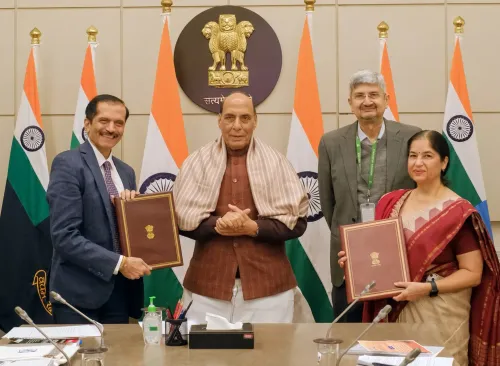
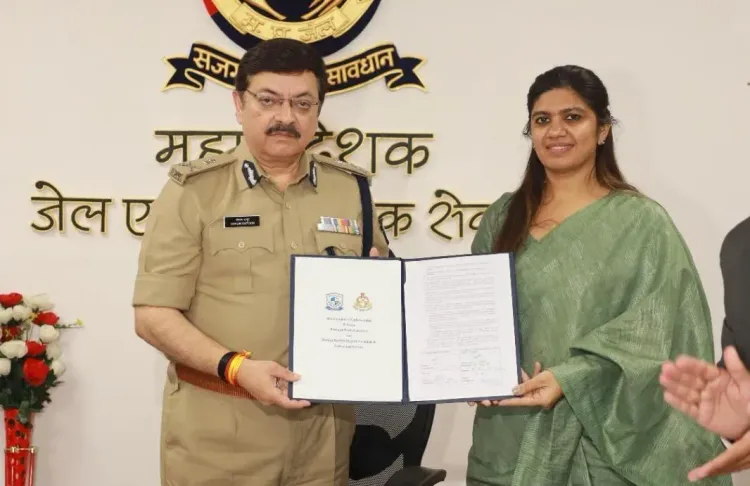
RRU Vice-Chancellor Bimal Patel and DG Jails Varun Kapoor led the signing at Jail Headquarters, Bhopal.
The Madhya Pradesh Prison Department and Rashtriya Raksha University (RRU) signed a landmark institutional agreement on 20 August to strengthen correctional administration and establish structured mental health services for people in custody across Madhya Pradesh. The pact includes plans to set up Psychosocial Care Centres in state prisons, marking a significant shift in how the correctional system approaches inmate welfare.
What the Agreements Cover
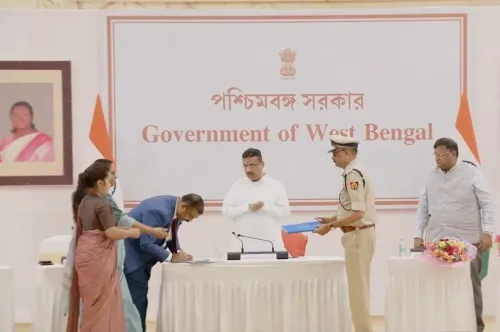
Two documents were signed at the Jail Headquarters in Bhopal — a Memorandum of Understanding (MoU) and an Accreditation and Affiliation Agreement. The signing took place under the leadership of RRU Vice-Chancellor Bimal Patel and Madhya Pradesh Director General of Jail and Correctional Services Varun Kapoor. The framework covers academic certification, research, specialised training for correctional personnel, rehabilitation programmes, and the sharing of facilities and expertise between the two institutions.
The partnership will also open avenues for students, researchers, and faculty to undertake internships, fieldwork, and experiential learning within correctional settings — an uncommon academic opportunity in India's prison administration landscape.
Psychosocial Care Centres: The Key Commitment
A central element of the agreement is the proposed establishment of Psychosocial Care Centres in Madhya Pradesh prisons, aligned with the Model Prisons and Correctional Services Act, 2023, and the Mental Healthcare Act, 2017. The Madhya Pradesh Jail Headquarters had given in-principle approval for such a centre in April, with modalities discussed at RRU's Lavad-Gandhinagar campus in May.
Varun Kapoor said the centres would provide structured psychosocial support to people in custody who currently remain 'unidentified or underserved.' He noted that correctional personnel, given their close contact with inmates, are 'well placed to identify early signs of psychological distress, risky behaviour and substance dependence.'
Project PRAHARI Already Underway
The collaboration had already moved into implementation through Project PRAHARI — Psychological Risk Assessment, Health Awareness and Resilience Initiative. From 6 to 12 July, the first cohort at the Regional Jail Management and Research Institute in Bhopal trained 30 correctional staff in identifying psychological distress and risk indicators, risk triage, crisis communication, de-escalation, documentation and referral procedures, and protection against vicarious trauma and burnout.
A similar PRAHARI programme has also been conducted for correctional staff in Gujarat, with the initiative focusing on early identification of psychological distress, crisis response, timely referral, suicide and self-harm prevention, and staff resilience. This suggests the model is being positioned for broader national replication.
From One-Off Training to Permanent Institution
Kapoor described the latest agreements as representing a shift 'from an individual training programme to a permanent institutional relationship.' He added that accredited academic certification for such training would strengthen the professional standing of the correctional cadre and improve the overall quality of care in prisons. The agreements build on earlier training initiatives between the two institutions and are designed to create a long-term framework rather than a one-time intervention.
With prison mental health remaining a largely neglected policy area in India, this partnership could serve as a replicable model for other states looking to align their correctional systems with the mandates of the Model Prisons Act, 2023.
Point of View
Funded facilities within a defined timeline. The Model Prisons Act, 2023 creates the legal mandate; what has historically been missing is institutional ownership. The RRU–MP partnership is structurally stronger than past ad hoc interventions because it embeds certification and research, making rollback harder. If the Gujarat PRAHARI experience is documented and published, it could pressure other states to follow — which may be the agreement's most consequential downstream effect.
NationPress
21 Aug 2026
Frequently Asked Questions
What did the Madhya Pradesh Prison Department and RRU sign?
The two institutions signed a Memorandum of Understanding and an Accreditation and Affiliation Agreement on 20 August in Bhopal, creating a long-term framework for training, research, academic certification, and the establishment of Psychosocial Care Centres in MP prisons.
What are Psychosocial Care Centres and why are they significant?
Psychosocial Care Centres are dedicated units within prisons designed to provide structured mental health and psychosocial support to people in custody. Their establishment in MP prisons is aligned with the Model Prisons and Correctional Services Act, 2023, and addresses a widely documented gap in inmate welfare services.
What is Project PRAHARI?
Project PRAHARI — Psychological Risk Assessment, Health Awareness and Resilience Initiative — is a training programme for correctional staff. Its first cohort, held from 6 to 12 July at the Regional Jail Management and Research Institute in Bhopal, trained 30 staff in identifying psychological distress, crisis communication, and self-care against vicarious trauma. A similar programme has been run in Gujarat.
Who led the signing of the MoU?
The agreements were signed under the leadership of RRU Vice-Chancellor Bimal Patel and Madhya Pradesh Director General of Jail and Correctional Services Varun Kapoor at the Jail Headquarters in Bhopal.
Which laws govern the proposed Psychosocial Care Centres?
The centres are to be established in alignment with the Model Prisons and Correctional Services Act, 2023, and the Mental Healthcare Act, 2017 — both of which mandate mental health provisions within the correctional system.