MEA's Sripriya Ranganathan meets Lebanon PM Nawaf Salam, reviews bilateral ties
Synopsis
India's MEA Secretary Sripriya Ranganathan wrapped up a five-day regional tour with back-to-back meetings in Beirut — including Lebanon's Prime Minister, Foreign Ministry chief, and Parliament Speaker — while also overseeing the groundbreaking of a 200-bed Indian hospital in Jenin, Palestine. The visit signals a deliberate Indian diplomatic push across a volatile West Asian neighbourhood.
Key Takeaways
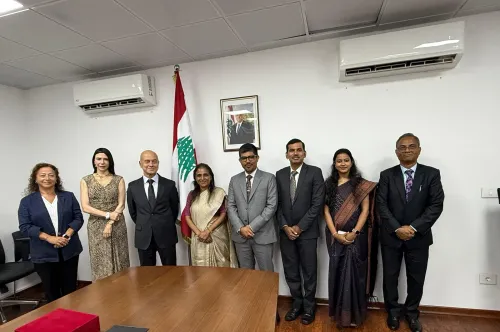
Sripriya Ranganathan , MEA Secretary (CPV and OIA), met Lebanon PM Nawaf Salam in Beirut on 21 August to discuss bilateral cooperation.
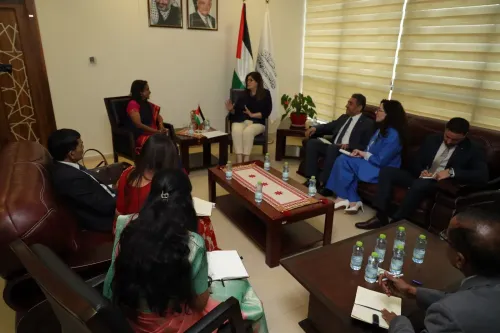
She also held talks with Abdel Sattar Issa , Secretary General of Lebanon's Foreign Ministry, and Nabih Berri , President of the National Assembly.
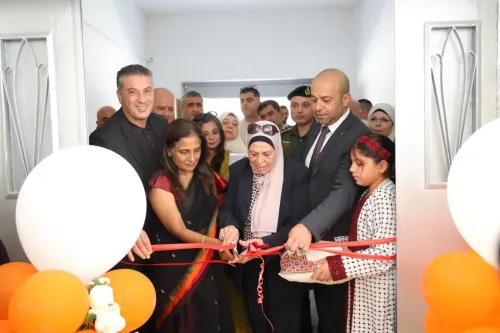
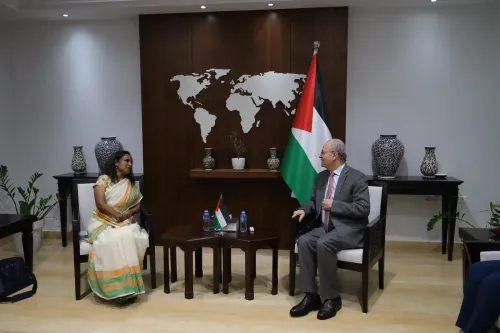
Ranganathan participated in the groundbreaking of a 200-bed Indian Super Speciality Hospital in Jenin , Palestine, alongside Palestinian PM Mohammad Mustafa .
The official tour covered Egypt , Palestine , and Lebanon from 16 to 21 August .
Discussions in Beirut also covered regional and international developments of mutual interest.
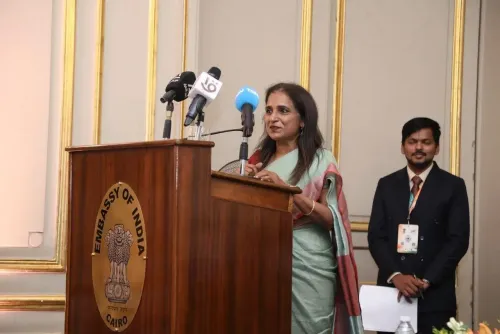
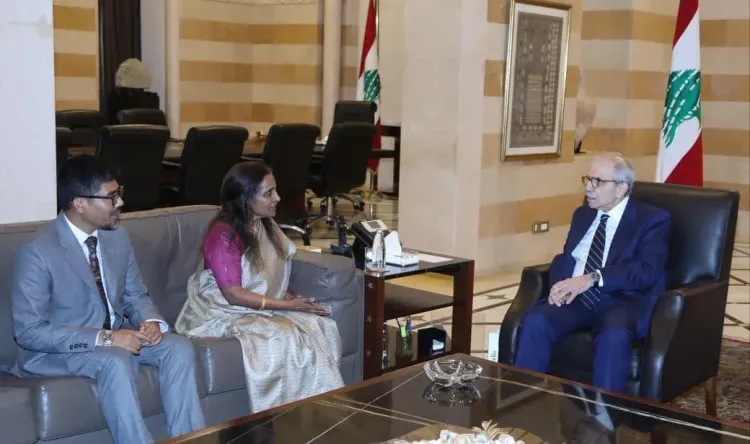
Sripriya Ranganathan, Secretary (CPV and OIA) at India's Ministry of External Affairs (MEA), on Friday, 21 August called on Nawaf Salam, Prime Minister of Lebanon, in Beirut, holding wide-ranging discussions on strengthening the bilateral relationship between the two countries. The meeting came on the final day of Ranganathan's multi-country official tour spanning Egypt, Palestine, and Lebanon from 16 to 21 August.
Key Meetings in Beirut
Earlier in the day, Ranganathan met Abdel Sattar Issa, Secretary General at Lebanon's Ministry of Foreign Affairs, to review the full spectrum of India–Lebanon bilateral relations. 'Delighted to be in Beirut and begin my engagements by meeting Secretary General Amb. Abdul Sattar Essa to discuss our bilateral cooperation in all its aspects,' Ranganathan said in a post on X.
The Indian diplomat also held talks with Nabih Berri, President of the National Assembly of Lebanon, focusing on ways to deepen the India–Lebanon partnership, including through parliamentary exchanges. Regional developments were also on the agenda.
The Embassy of India in Beirut confirmed that Ranganathan and Prime Minister Salam 'had fruitful discussions on India–Lebanon relations, building on the strong platform of bilateral cooperation,' and that they 'exchanged views on regional and international developments of mutual interest.'
India-Palestine Milestone on the Tour
During her preceding stop in Palestine, Ranganathan participated in the groundbreaking ceremony for a 200-bed Indian Super Speciality Hospital in Jenin, alongside Mohammad Mustafa, Prime Minister of the State of Palestine. The event marked a significant milestone in the India–Palestine development partnership, underscoring New Delhi's sustained engagement with the region.
Regional Context and India's Diplomatic Push
Ranganathan's visit to Lebanon comes at a time of continued volatility across West Asia. The discussions on 'evolving regional situations' — as noted by the Indian Embassy — signal that New Delhi is actively maintaining diplomatic channels with Beirut even as the broader neighbourhood remains in flux. This is the latest in a series of senior-level MEA outreach efforts to the Arab world and the Levant.
Ranganathan arrived in Beirut earlier on Friday and was received by Ambassador Noor Rahman Sheikh. With her departure, the five-day regional tour concludes, though the diplomatic groundwork laid across Cairo, Ramallah, Jenin, and Beirut is expected to shape India's bilateral engagement with these nations in the months ahead.
Point of View
Capped by a sit-down with the Prime Minister — is not routine diplomatic courtesy. It reflects a conscious Indian effort to rebuild and deepen ties with Lebanon at a moment when the country is navigating a fragile post-conflict political reset. The Jenin hospital groundbreaking in Palestine adds a development-diplomacy layer that distinguishes India's West Asia posture from pure strategic hedging. What the visit does not yet reveal is whether these engagements will translate into concrete deliverables — trade frameworks, consular agreements, or structured parliamentary exchanges — or remain at the level of goodwill signalling. Given the region's instability, the durability of these diplomatic gains will depend on follow-through from both sides.
NationPress
6 Oct 2026
Frequently Asked Questions
Why did MEA Secretary Sripriya Ranganathan visit Lebanon?
Ranganathan visited Lebanon on 21 August as part of an official five-day regional tour covering Egypt, Palestine, and Lebanon. She met senior Lebanese officials to review and strengthen India–Lebanon bilateral relations and discussed evolving regional developments.
Who did Sripriya Ranganathan meet in Beirut?
She met three senior Lebanese officials: Prime Minister Nawaf Salam, Foreign Ministry Secretary General Abdel Sattar Issa, and National Assembly President Nabih Berri. All three meetings covered bilateral cooperation and regional issues.
What is the significance of the India-Palestine hospital in Jenin?
The 200-bed Indian Super Speciality Hospital in Jenin, whose groundbreaking Ranganathan attended alongside Palestinian PM Mohammad Mustafa, marks a major milestone in India's development partnership with Palestine. It reflects India's continued commitment to humanitarian and infrastructure support in the region.
What is the CPV and OIA division of the MEA?
The Consular, Passport, Visa (CPV) and Overseas Indian Affairs (OIA) division of the Ministry of External Affairs handles consular services, passport issuance, and matters relating to the Indian diaspora and overseas citizens. Ranganathan heads this division as its Secretary.
What regional issues were discussed during Ranganathan's Beirut visit?
According to the Indian Embassy in Beirut, discussions covered 'evolving regional and international developments of mutual interest,' though specific issues were not publicly detailed. Given the broader West Asian context, analysts note that security, trade, and diaspora welfare are likely to have featured in the conversations.