India-Lebanon hold first Foreign Office Consultations in New Delhi
Synopsis
India and Lebanon held their first-ever Foreign Office Consultations in New Delhi on 9 November — a formal institutional upgrade of a relationship that has historically lacked structured dialogue. With trade, digital public infrastructure, and pharmaceuticals flagged as priorities, India is pushing its development model into Lebanon's post-conflict recovery, while both sides eye a rapidly evolving regional landscape.
Key Takeaways
India and Lebanon held their first Foreign Office Consultations (FOC) in New Delhi on 9 November 2026 .
Talks were co-chaired by Sripriya Ranganathan (MEA) and Ambassador Abdel Sattar Issa (Lebanon's Foreign Ministry).
Priority sectors identified: trade and investment , digital public infrastructure , and pharmaceuticals .
Groundwork was laid during Ranganathan's Beirut visit in August 2026 , where she met PM Nawaf Salam and Parliament President Nabih Berri .
The FOC mechanism formalises bilateral dialogue for the first time, reflecting India's expanding West Asia engagement strategy .
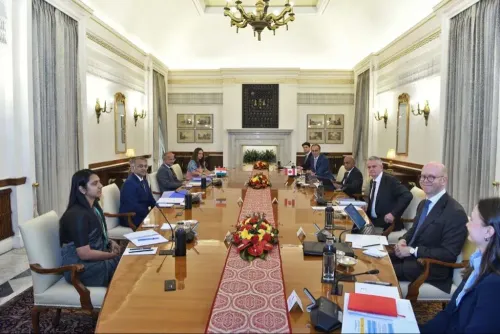
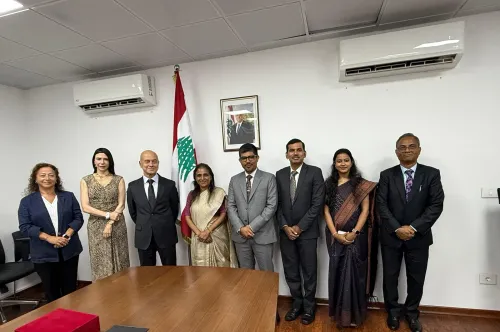
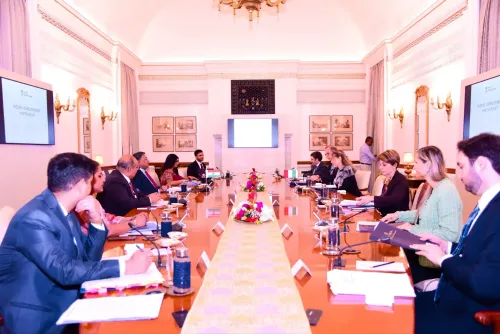
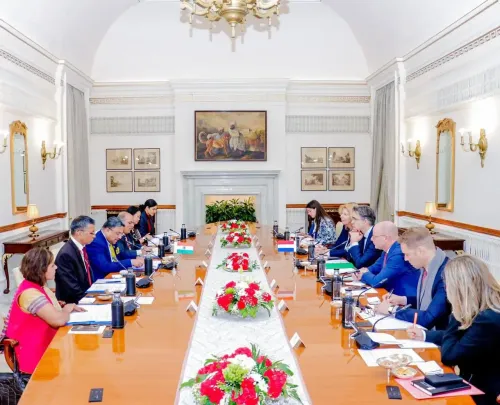
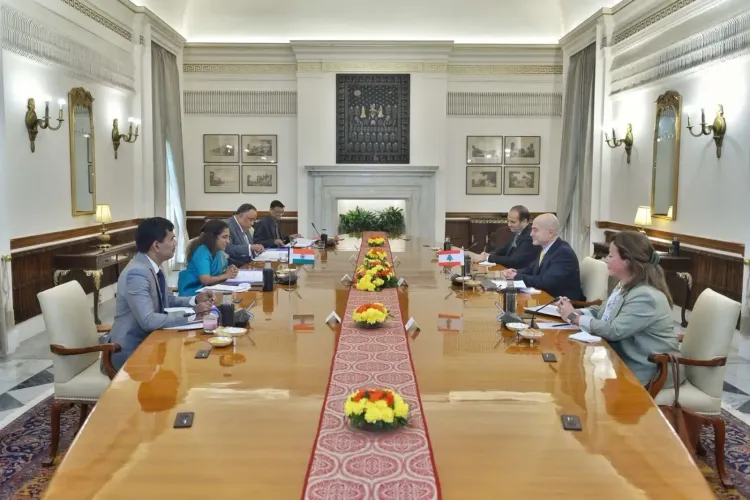
India and Lebanon held their first-ever Foreign Office Consultations (FOC) in New Delhi on Monday, 9 November 2026, marking a significant step in formalising bilateral engagement between the two countries. The talks covered the full breadth of India-Lebanon relations and included an exchange of views on pressing regional and international issues of shared concern.
Who Led the Talks
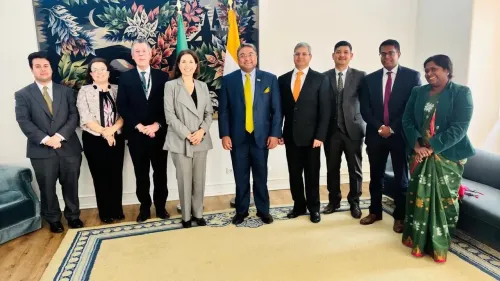
The consultations were co-chaired by Sripriya Ranganathan, Secretary (Consular, Passport and Visa and Overseas Indian Affairs) in India's Ministry of External Affairs (MEA), and Ambassador Abdel Sattar Issa, Secretary-General of Lebanon's Ministry of Foreign Affairs and Emigrants. The seniority of both delegations signals the importance both governments attach to the newly structured dialogue.
Key Areas of Cooperation Identified
According to the MEA, the meeting 'reviewed the entire gamut of India-Lebanon bilateral relations and discussed ways to further strengthen it across political-security, economic and socio-cultural pillars.' The two sides identified trade and investment, digital public infrastructure, and pharmaceuticals as priority sectors for deeper collaboration. Regional and international issues of mutual interest were also on the agenda.
Groundwork Laid in Beirut Earlier
The New Delhi consultations come on the back of a preparatory round of engagements in Beirut in August 2026. During that visit, Ranganathan called on Lebanese Prime Minister Nawaf Salam, where both sides discussed building on the existing platform of bilateral cooperation and exchanged views on regional developments. She also separately met Ambassador Abdel Sattar Issa in Beirut to review bilateral ties and discuss 'the evolving situation in the region,' according to the Embassy of India in Beirut. 'Delighted to be in Beirut and begin my engagements by meeting Secretary General Amb. Abdul Sattar Essa to discuss our bilateral cooperation in all its aspects,' Ranganathan said in a post on X during that trip.
Parliamentary and People-to-People Ties
Ranganathan also met Nabih Berri, President of the National Assembly of Lebanon, during the Beirut visit, discussing ways to further strengthen the India-Lebanon partnership through parliamentary exchanges. Regional issues were also discussed in that meeting, underscoring the geopolitical dimension of the bilateral relationship.
Why This Matters
This is the first institutionalised Foreign Office Consultation between India and Lebanon, suggesting a deliberate upgrade of the bilateral relationship. This comes amid Lebanon's post-conflict recovery phase and India's broader West Asia engagement strategy, which has gained pace over the past two years. Establishing a formal FOC mechanism gives both sides a structured channel for regular dialogue — a tool India has deployed with several other countries to manage diplomatic priorities without ad hoc summitry. The focus on digital public infrastructure and pharmaceuticals reflects India's intent to export its development model and manufacturing strengths to West Asian partners rebuilding their economies.
Point of View
Yet its strategic location, large diaspora linkages, and post-war reconstruction needs make it a meaningful partner. The emphasis on digital public infrastructure — India's UPI-and-Aadhaar export pitch — alongside pharmaceuticals signals that New Delhi is using this opening to embed its development model, not just sign trade memos. What mainstream coverage tends to miss is that the timing matters: formalising dialogue with Lebanon while the country is in a fragile recovery phase gives India an early-mover advantage in shaping the terms of economic partnership before competing powers consolidate their own footholds.
NationPress
9 Nov 2026
Frequently Asked Questions
What are the Foreign Office Consultations between India and Lebanon?
The Foreign Office Consultations (FOC) are a formal bilateral dialogue mechanism held for the first time between India and Lebanon in New Delhi on 9 November 2026. The talks covered political-security, economic, and socio-cultural cooperation, with trade, digital infrastructure, and pharmaceuticals identified as priority areas.
Who represented India and Lebanon at the first FOC?
India was represented by Sripriya Ranganathan, Secretary (Consular, Passport and Visa and Overseas Indian Affairs) in the Ministry of External Affairs. Lebanon was represented by Ambassador Abdel Sattar Issa, Secretary-General of Lebanon's Ministry of Foreign Affairs and Emigrants.
What sectors did India and Lebanon agree to prioritise?
The two sides identified trade and investment, digital public infrastructure, and pharmaceuticals as priority areas for bilateral cooperation. These reflect India's intent to leverage its strengths in technology and manufacturing within Lebanon's recovery agenda.
Why is the India-Lebanon FOC significant?
This is the first institutionalised consultation mechanism between the two countries, representing a formal upgrade of a relationship that previously lacked structured dialogue. It comes amid Lebanon's post-conflict recovery and India's broader push to deepen engagement across West Asia.
What was discussed during Sripriya Ranganathan's earlier Beirut visit?
During her August 2026 visit to Beirut, Ranganathan met Lebanese Prime Minister Nawaf Salam and Parliament President Nabih Berri, discussing bilateral cooperation and regional developments. She also met Ambassador Abdel Sattar Issa separately to review the full scope of India-Lebanon ties.