MP Cabinet Approves Rest Houses for Patients' Kin in Medical Colleges
Synopsis
Madhya Pradesh Cabinet approved NGO-run rest houses for patients' relatives in medical college campuses — at zero cost to the state — while sanctioning Rs 5,479 crore for healthcare upgrades including the CM CARE 2025 scheme and a new medical college in tribal Mandla district.
Key Takeaways
MP Cabinet on April 22, 2025 approved NGO-run rest houses for patients' relatives within government medical college campuses at zero state expenditure .
Fee structures for these rest houses will be regulated by a state government-constituted committee to ensure affordability.
A total of Rs 5,479 crore was approved for healthcare infrastructure under the Department of Public Health and Medical Education .
CM CARE 2025 received Rs 3,628 crore for a five-year push to strengthen super-specialty services including Oncology, Cardiology, and Organ Transplant units via a PPP model.
The new Government Medical College in Mandla received a revised budget of Rs 347.39 crore , up from the earlier Rs 249.63 crore , due to site-change-related cost increases.
Rs 23.90 crore was sanctioned for the third phase of the Chief Minister's Young Professionals for Development Program over three years.
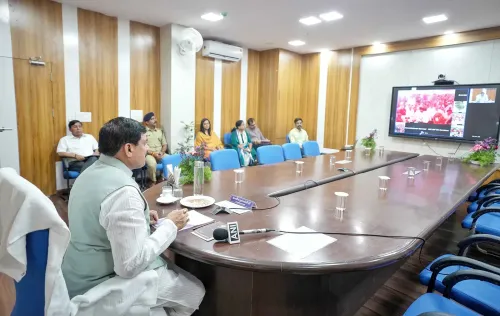
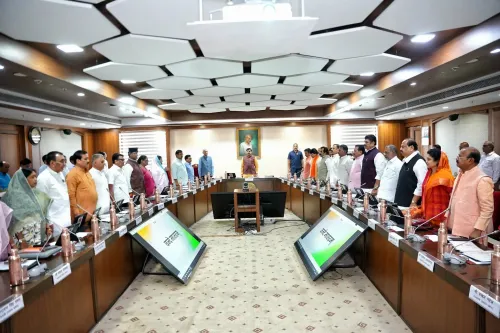
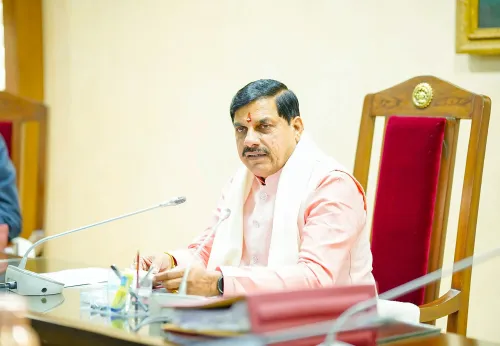
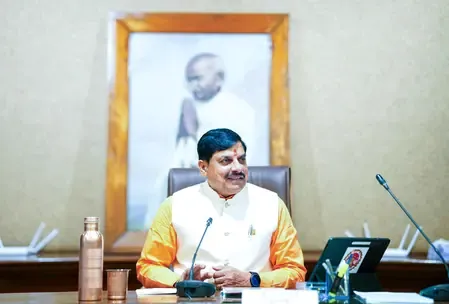
The Madhya Pradesh Council of Ministers on Wednesday, April 22, approved a landmark welfare measure allowing philanthropic organisations to build and operate rest houses for patients' relatives within the campuses of select government medical colleges across the state. The decision aims to address the chronic problem of attendants sleeping on hospital floors due to unaffordable lodging options near major medical institutions.
What Was Approved and How It Will Work
Under the approved framework, NGOs and charitable organisations will construct and manage these 'relatives' rest houses' entirely using their own funds — the Madhya Pradesh government will provide no financial assistance for the construction or operation of these facilities.
A state government-constituted committee will regulate the fees charged by these organisations, ensuring that accommodation remains available at affordable rates for families who travel from distant districts to accompany their patients.
This model effectively leverages philanthropic capital while maintaining government oversight on pricing — a cost-neutral approach for the state exchequer that could serve as a replicable model for other states.
The Ground Reality That Triggered This Decision
Patients from remote and tribal regions of Madhya Pradesh routinely travel hundreds of kilometres to access tertiary care at medical college hospitals. Their attendants — often daily wage workers or farmers — cannot afford hotel stays near urban hospitals and are left with no option but to sleep within the hospital premises itself.
This informal occupation of hospital corridors and open spaces has consistently strained sanitation, hygiene, and administrative systems in these institutions. Hospital staff interactions with distressed and exhausted relatives have also been a documented source of friction, indirectly affecting patient care quality.
The new rest house policy directly targets this systemic gap, aiming to improve the mental well-being of attendants and, by extension, create a calmer, more manageable hospital environment.
Rs 5,479 Crore Sanctioned for Medical Infrastructure Overhaul
In a sweeping set of healthcare decisions, the Council of Ministers approved a total outlay of Rs 5,479 crore under the Department of Public Health and Medical Education to modernise medical infrastructure across Madhya Pradesh.
The largest component — Rs 3,628 crore — has been sanctioned for the five-year operation of the 'Chief Minister's Comprehensive and Advanced Tertiary Health Service Institution Strengthening Scheme', officially branded as CM CARE 2025. This scheme targets super-specialty services including Oncology (Surgical, Medical, and Radiation), Cardiology, Cardiac Surgery, and Organ Transplant units across government, autonomous, and private medical colleges.
The scheme will deploy a public-private partnership (PPP) model, leveraging private sector expertise, advanced technology, and capital investment alongside government funding to expand both the quality and reach of tertiary healthcare.
A further Rs 1,503 crore has been earmarked for the upgradation of existing medical colleges over the next five years, covering infrastructure expansion and facility modernisation.
New Government Medical College for Mandla Gets Revised Budget
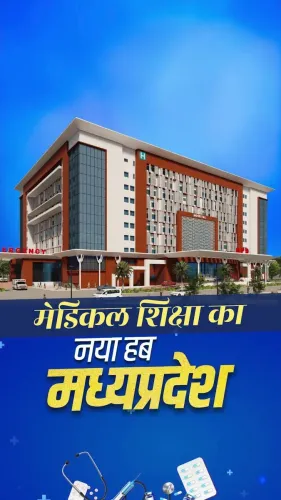
The Cabinet also granted a revised administrative approval of Rs 347.39 crore for the establishment of a new Government Medical College in Mandla, revising upward from the earlier sanctioned figure of Rs 249.63 crore. The cost escalation was attributed to technical factors arising from a change in the construction site.
Mandla, a predominantly tribal district in central Madhya Pradesh, has historically lacked accessible tertiary medical care. The new college is expected to significantly reduce the distance tribal and rural residents must travel for advanced treatment.
Other Key Cabinet Decisions: Finance Commission and Youth Programme
The Council of Ministers also approved the creation of 15 posts to support the functioning of the 6th State Finance Commission, which has already been constituted by the state government.
Additionally, the Cabinet sanctioned Rs 23.90 crore for the third phase of the 'Chief Minister's Young Professionals for Development Program', to be implemented over three years. The Department of Public Service Management has been authorised to define procedures and issue relevant rules for effective implementation of this programme.
With these approvals, the Madhya Pradesh government signals an ambitious push to overhaul public healthcare delivery ahead of what analysts note is an increasingly health-conscious electorate. The success of the rest house model and CM CARE 2025 will be closely watched as benchmarks for future policy replication across other Indian states.
Point of View
Or will it become another layer of bureaucratic delay? More broadly, the Rs 5,479 crore healthcare package signals that the BJP-led state government is acutely aware that public health infrastructure — long neglected — is now an electoral liability. The inclusion of tribal Mandla in the medical college expansion is particularly telling: it reflects a calculated outreach to a demographic that has historically borne the worst of India's healthcare inequality.
NationPress
26 Sept 2026
Frequently Asked Questions
What did the Madhya Pradesh Cabinet approve for patients' relatives in hospitals?
The MP Cabinet approved the establishment of rest houses for patients' relatives within select government medical college campuses, to be built and operated by philanthropic organisations at their own cost. A government committee will regulate the fees charged for these facilities.
Will the MP government fund the rest houses for patients' attendants?
No, the Madhya Pradesh government will provide no financial assistance for building or operating these rest houses. The entire cost will be borne by NGOs and charitable organisations, with the state only regulating the pricing.
What is CM CARE 2025 and how much has been sanctioned for it?
CM CARE 2025 is the 'Chief Minister's Comprehensive and Advanced Tertiary Health Service Institution Strengthening Scheme', for which Rs 3,628 crore has been sanctioned over five years. It aims to strengthen super-specialty services like Oncology, Cardiology, Cardiac Surgery, and Organ Transplant units across government and private medical colleges.
Why has the budget for Mandla Government Medical College been revised upward?
The budget for the new Government Medical College in Mandla was revised from Rs 249.63 crore to Rs 347.39 crore due to increased project costs arising from technical factors related to a change in the construction site. The college will provide tertiary healthcare access to residents of the tribal-dominated Mandla region.
What is the total healthcare budget approved by the MP Cabinet in April 2025?
The MP Council of Ministers approved a total of Rs 5,479 crore under the Department of Public Health and Medical Education. This covers CM CARE 2025 (Rs 3,628 crore), medical college upgradation (Rs 1,503 crore), and the new Mandla medical college (Rs 347.39 crore).