Bangladesh Presidential election 2026: BNP's Mirza Fakhrul faces Jamaat-led alliance in first contested vote in 35 years
Synopsis
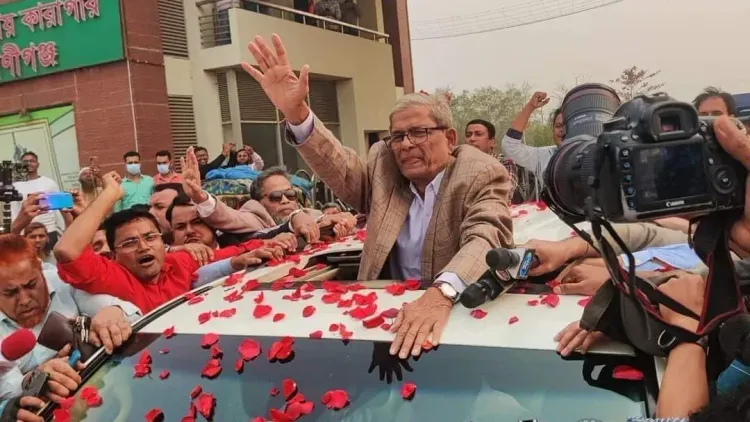
For the first time since 1991, Bangladesh's Parliament is actually voting for a President — and analysts say the result is already decided. BNP's commanding 210-seat majority makes Mirza Fakhrul Islam Alamgir the near-certain winner, while the Jamaat-led alliance's participation is being read as a political gesture rather than a genuine bid for power.
Key Takeaways
Bangladesh's Presidential election commenced on 20 August — the first contested vote in Parliament in over 35 years .
BNP nominee Mirza Fakhrul Islam Alamgir faces Oli Ahmed of the Jamaat-e-Islami-led 11-party alliance .
349 Members of Parliament are eligible to vote; BNP holds 210 seats against the alliance's 77 .
The election was necessitated by the resignation of President Mohammed Shahabuddin on 24 July .
Legal and civil society experts describe the contest as 'predetermined', with the opposition's participation seen as a symbolic political move.
The last presidential election decided by parliamentary ballot was on 8 October 1991 .
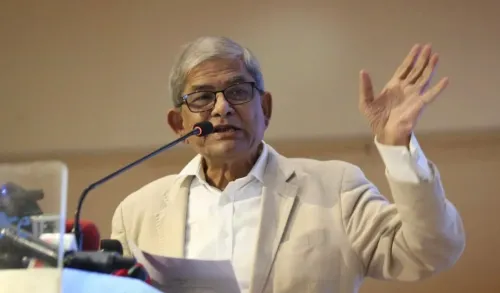
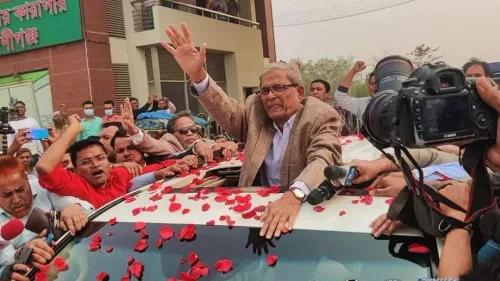
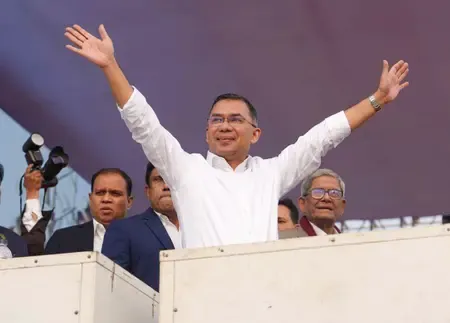
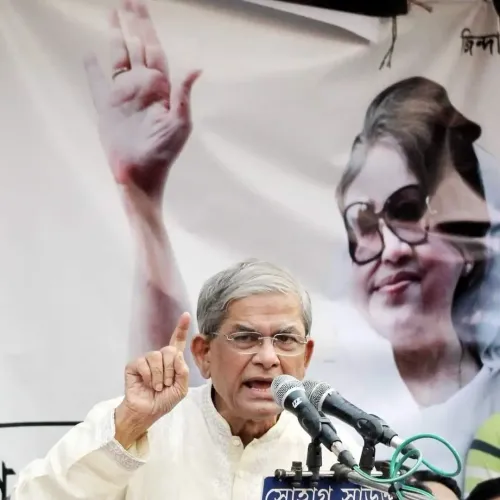
Bangladesh's Presidential election got underway on Thursday, 20 August in Dhaka, with Prime Minister Tarique Rahman casting his ballot alongside Bangladesh Nationalist Party (BNP) nominee Mirza Fakhrul Islam Alamgir, according to local media reports. The vote marks the first contested presidential election in the country in more than three and a half decades.
Key Developments
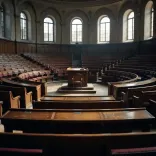
Polling commenced on Thursday afternoon inside the Parliament Session Chamber, conducted under the supervision of Chief Election Commissioner and Returning Officer AMM Nasir Uddin. A total of 349 Members of Parliament are eligible to cast ballots in this election to choose Bangladesh's 23rd President.
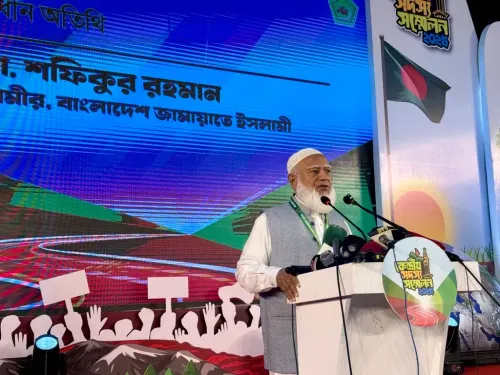
Two candidates are in the race: Mirza Fakhrul Islam Alamgir, fielded by the ruling BNP, and Oli Ahmed, representing a Jamaat-e-Islami-led 11-party alliance. The last time a presidential election was decided through a parliamentary vote was on 8 October 1991 — making this contest a historic break from over three decades of unopposed elections.
Why the Presidency Fell Vacant
The election was triggered by the resignation of President Mohammed Shahabuddin on 24 July. Following his departure, Speaker of the National Parliament Hafiz Uddin Ahmed assumed the role of acting President. Under Bangladesh's Constitution, a fresh presidential election must be held within 90 days of the office falling vacant.
BNP's Clear Parliamentary Advantage
Despite the contest, the outcome is widely regarded as a foregone conclusion. In the 2026 parliamentary election, the BNP secured 210 seats, against 77 seats won by the Jamaat-e-Islami-led 11-party alliance, giving the ruling party a commanding majority in Parliament — the very body that elects the President.
What Analysts and Legal Experts Are Saying
Senior Supreme Court Appellate Division lawyer Advocate Manzil Morshed, speaking to Dhaka Tribune last week, said: 'The opposition knows that it will lose the election. Even then, fielding a candidate is a political strategy.' He further suggested that the Jamaat-led alliance may have entered the race as a symbolic gesture, noting: 'There is a discussion in the political arena that Jamaat and BNP are closely connected. They may have fielded a candidate merely as a showpiece so that no one can accuse them of not participating or raise questions about the matter.'
Election expert and founder of Dhaka-based civil society platform Shujan, Badiul Alam Majumdar, was more direct: 'The presidential election is predetermined. Whoever the ruling party wants will become President.'
What Comes Next
With BNP's numerical dominance in Parliament, Mirza Fakhrul Islam Alamgir is widely expected to be elected as Bangladesh's 23rd President. The result, however symbolic the contest, will mark a significant moment in Bangladesh's democratic trajectory — the first time in 35 years that voters in Parliament have had a choice to make.
Point of View
The move is best read as a signal of political independence: a way for Jamaat to resist the narrative that it is merely a satellite of the BNP. Bangladesh's presidential system concentrates power in the Prime Minister's office, making this election largely ceremonial in practice. Yet the symbolism of a contested vote, the first in 35 years, carries weight — it signals that opposition politics in post-Shahabuddin Bangladesh is recalibrating, even if the numbers leave no room for surprise.
NationPress
5 Oct 2026
Frequently Asked Questions
Who are the candidates in Bangladesh's 2026 Presidential election?
Two candidates are contesting: Mirza Fakhrul Islam Alamgir, nominated by the ruling Bangladesh Nationalist Party (BNP), and Oli Ahmed, fielded by the Jamaat-e-Islami-led 11-party alliance. The election is being held in Parliament, with 349 MPs eligible to vote.
Why is this presidential election historically significant?
It is the first contested presidential election in Bangladesh in over 35 years. The last time Parliament voted to choose a President was on 8 October 1991; all subsequent elections were decided unopposed.
Why did Bangladesh need a new Presidential election?
President Mohammed Shahabuddin resigned on 24 July, leaving the office vacant. Under Bangladesh's Constitution, a new President must be elected within 90 days of the position falling vacant. Speaker Hafiz Uddin Ahmed served as acting President in the interim.
Who is expected to win and why?
BNP nominee Mirza Fakhrul Islam Alamgir is widely expected to win, given the BNP's 210-seat majority in Parliament against the Jamaat-led alliance's 77 seats. Analysts and legal experts have described the outcome as 'predetermined'.
Why did the Jamaat-led alliance contest despite likely losing?
According to Supreme Court lawyer Advocate Manzil Morshed, the Jamaat-led alliance's participation is a political strategy — a way to demonstrate independent electoral engagement and counter perceptions that Jamaat operates as a BNP satellite, rather than a genuine bid to win the presidency.